





























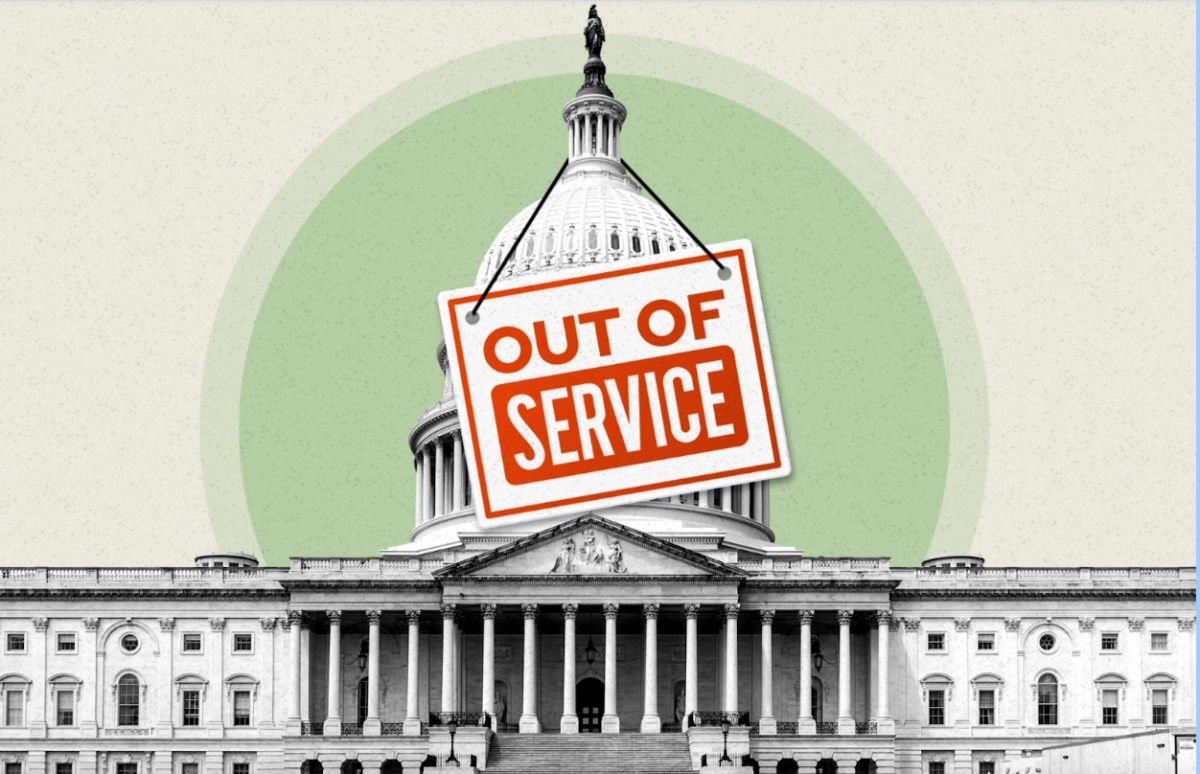
On October 1st, 2025, the U.S. government shut down for the 15th time in history, and for the second time under President Donald Trump. The previous shutdown occurred in 2018 during his first term in office. The 2025 shutdown, lasting until November 12, was the longest on record. Such shutdowns occur when Congress fails to pass funding bills, leading to closures of non-essential services and placing non-essential employees on unpaid leave, whilst essential workers continue to do their jobs without pay.
The 2025 government shutdown began because members of Congress failed to pass the 12 appropriations bills needed for the 2026 fiscal year, causing government funding to lapse. A primary point of contention between Democrats and Republicans was the extension of the enhanced Affordable Care Act (ACA) premium tax credit. The act expanded health insurance for small businesses and individuals through the implementation of state and federal marketplaces. The implementation of the tax credits began in 2020 when millions of Americans were losing their jobs because of the COVID-19 pandemic. The tax credit gave many Americans affordable insurance during a time when they were out of a job. Democrats wanted an extension of these credits, which would continue to make health insurance more affordable for millions of Americans. Republicans argued that the pandemic-era subsidies were an unnecessary expense for which the government was paying. Democrats had leverage over this issue because Republicans currently control both the House of Representatives and the Senate. Democrats forced negotiations on this issue, leading to a political gridlock between both parties that has lasted over a month.
The 43-day government shutdown has had major political and economic ramifications across the country. Perhaps the most notable effect of the shutdown was that more than 1 million government employees weren’t getting paid for over a month. While the Trump administration mustered up 2.5 billion dollars to continue paying the military from tax cut legislation, most workers have gone without pay. While laws are in place requiring that government employees receive back pay after the shutdown ends, the Trump administration has questioned whether the law truly applies to the recent shutdown. Air traffic controllers were a group of government workers who weren’t receiving pay. With many air traffic controllers calling in sick or taking other jobs, travel delays are becoming increasingly prominent in airports across the country. Another group of workers being furloughed is nuclear safety workers, who maintain the safety of the US nuclear weapons stockpile.
While federal workers aren’t getting paid, beneficial government programs are losing funding. Nearly 42 million low income household members of SNAP, a nutritional service program, won’t receive the complete benefits of the program during the shutdown because of a lack of funding. Head Start programs that provide early education focused on child development aren’t receiving enough funding to continue their services. Across 41 states, 140 Head Start programs are losing funding. The shutdown has also drastically impacted the economy. The estimated cost the shutdown will cost the economy for the 43-day shutdown is 7-14 billion dollars. The shutdown is also estimated to cost the government 33 billion dollars in delayed spending.
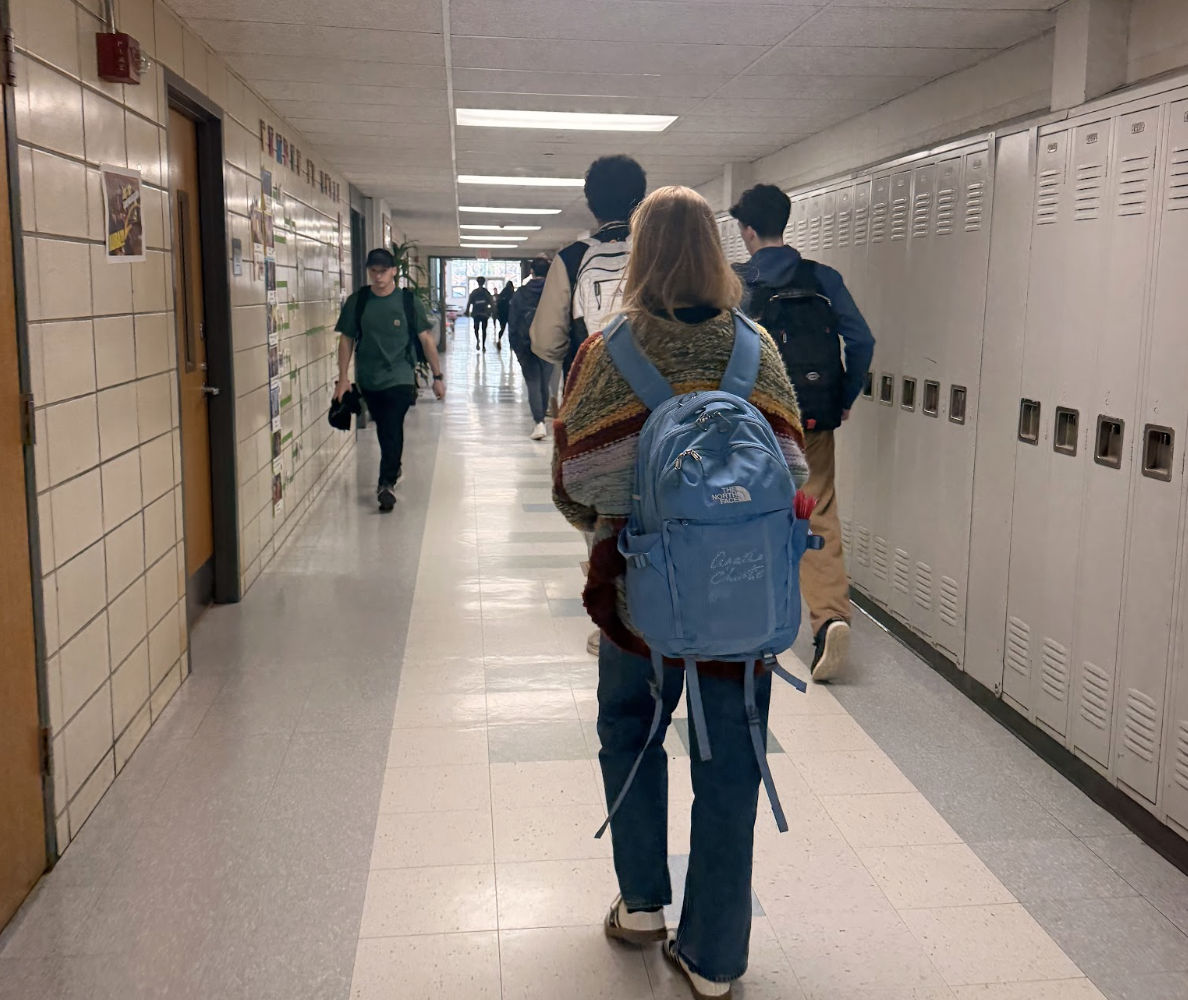
Locally, South Shore residents on the federal payroll have felt the effects of the shutdown, and the Hingham community has come together to support them in this time of need. On November 4, the Hingham Food Pantry invited those affected by the lack of SNAP benefits to enjoy a free meal provided by their volunteers. HHS also organized a food drive during the week of November 17 to November 21 for those affected by the shutdown. People across HHS also had thoughts on the shutdown. History and economics teacher Mr. Woolley said, “I’m disappointed that Congress doesn’t seem able to behave civilly and can’t use reason or debate to solve problems.” HHS sophomore Fox Clarke was also disappointed with the government officials’ behavior. He said, “To my knowledge, this has been the longest government shutdown. I think appointed public officials should be acting appropriately and not like two middle school girls with a grudge against each other.” Sophomore Martin Seggev was similarly “surprised that it took them so long to sort out a simple budget problem.” Clearly, people across HHS are disappointed with the political parties’ disagreements that led to the shutdown. Although he acknowledged that government-employed workers were affected by the shutdown, sophomore Rex Chen didn’t “really know anyone who has lost their job or stopped getting paid.”
On November 12, a bill to fund the government was signed by President Trump, ending the 43-day-long shutdown. Republicans were joined by 6 democrats in the vote on the bill in the House of Representatives, allowing the bill to pass legislation. The bill increases funding levels for agencies like SNAP and others through September 2026. Surprisingly, the bill doesn’t address the ACA disputes that started the government shutdown in the first place, highlighting the continued disagreements between both parties over the issue. A vote on a new legislation to extend the subsidies of the ACA, created by democrats, will be held in mid-December. Overall, the government shutdown was a mostly negative event that didn’t push forward the goals of either political party and left millions of Americans without pay or the support they rely on for their daily lifestyle for more than a month. The shutdown only further highlights the stark divide between political parties whose disagreements continue to cause problems for Americans.