























As the holidays roll around once more, it is important to find ways to spread the cheer and love that makes the season so special. During the dark, cold months of winter, different cultures have found that holidays provide a sense of light and warmth. The first holiday dates back to 2000 BCE, which ancient Babylonians celebrated to mark the new year. In America, national holidays were established in 1870, granting time off for employees on New Year’s Day, Independence Day, Thanksgiving Day, and Christmas Day. Since then, the holidays that occur during the winter season have been heavily commercialized, providing a sense of festivity and fantasy for those who choose to celebrate. It is important to note that while many cultures celebrate their holidays in different ways, the general themes of the holidays revolve around support, love, gratitude, and community.
One of the ways that people show their holiday spirit is through decorations. Although Thanksgiving is not officially part of the winter season, many people who celebrate this holiday mark it as the kickoff to the holiday season, setting out pumpkins, squash, and foliage decor. As the weather turns colder and the month of December begins, many more decorations appear. Whether it is sparkling ornamented Christmas trees and big red bows, blue and white string lights for Hanukkah, or Kwanza’s black, red, and green candles and corn, holiday decorations convey a sense of wonder and enchantment. Many consider the holiday season to conclude after the Gregorian New Year, which is decorated with gold and silver sparkles to symbolize wealth in the next year. Chinese New Year, which occurs after the Gregorian New Year, is also lavishly decorated with it’s own colors of red and gold, which symbolize good luck, joy, and prosperity. Paper lanterns in these colors adorn many rooms of those who celebrate Chinese New Year. On the topic of decorations, HHA sophomore Ayla Steele remarks, “I love seeing everybody’s decorations because it gets me in the holiday spirit, and it adds joy to such a cold season.”
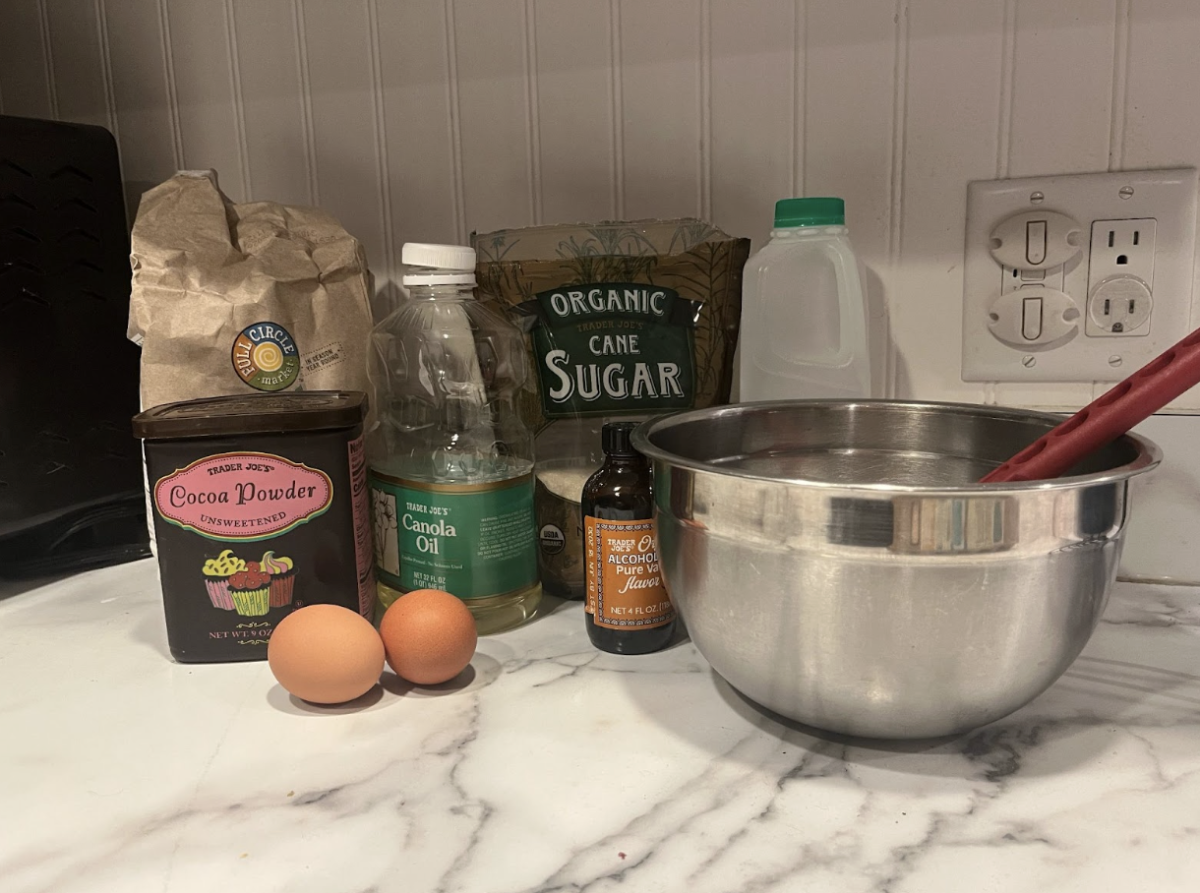
Another way that many people get in the holiday spirit is through baking. Christmas cookies are an especially popular treat to make during the wintertime. In the 1930s, during the Great Depression, the tradition of baking cookies for Santa was introduced to teach children about the importance of gratitude. Since then, the tradition has become more widespread, and many families leave out an assortment of different baked goods on Christmas Eve. Other treats are frequently made during Hanukkah, such as sufganiyot (jelly filled donuts) and loukoumades (honey soaked fried dough puffs). One predominant culture in the origin of the Winter Solstice is the Norse, who are known for a Yule log cake, a treat shaped like a fallen log and often filled with chocolate buttercream, whipped cream, or mascarpone cream. Junior Kylie McAloon states, “My favorite part of the holidays is baking because you can do it with family and friends.”
Arguably, the most important part of the winter holidays is giving back. During the winter months, many people feel inspired by the sense of community and the traditions that the season is based upon. Many people sign up to help those in need, whether it be by donating to a food pantry, helping out at a clothing drive, or volunteering at an animal shelter. While individual cultures implement values of selflessness year-round, giving back is especially encouraged during the holidays. For example, Christmas angel trees help financially unstable families get gifts to their children. During Hanukkah, it is suggested that those who are able, donate to charity. This act is known as tzedakah, and while it is practiced all year, it is even more prominent during the holidays. During the Winter Solstice, many communities host blanket drives or earth focused charity projects. A part of Kwanzaa is centered around uplifting one’s community, and this day is known as Nia. On this day, many people take part in community service, or support local businesses. Freshman Lucy McCoy observes, “During the holidays, people seem more willing to participate in acts of kindness.”
The holidays are meant to be a cheerful time for everybody, with traditions and practices centered around love and warmth. Decorating, baking, and giving back are just some of the many ways that people choose to show their appreciation for festivities. During the cold and dreary winter months, it is agreed upon by many that it is important to stay happy and generous, and the holidays are an effective way to spread these ideals.