






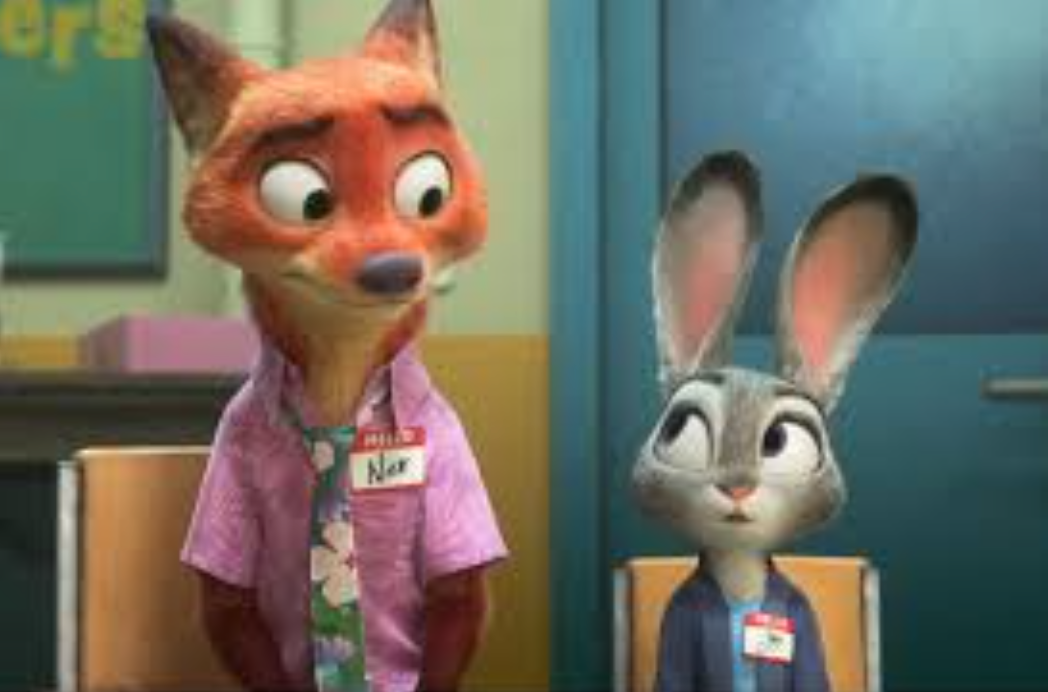
At long last, after almost a decade since the release of Disney’s Zootopia in 2016, Pixar has bestowed a sequel upon fans. However, unlike several disappointing sequels of previous Disney movies, Zootopia 2 used witty humor, excellent voice acting, and intriguing plot developments to win over audiences and critics alike, as well as advance thoughtful themes about society. It received a 91% on Rotten Tomatoes and 7.8 out of 10 on IMDb, great scores, especially for a sequel.
The secret to the film’s success started with voice acting. The protagonists, Judy Hopps and Nick Wilde, were voiced by Ginnifer Goodwin and Jason Bateman, respectively, as they were in the first movie. Both actors have stellar performances, Hopps being an energetic overachiever, while Wilde is a cunning former con artist. This contrast helps develop the theme of putting differences aside. Additions to the cast, such as Andy Samberg and Patrick Warburton, help add to the comic relief and plot points. Samberg’s goofy voice helped create an awkwardly funny scene near the beginning of the movie with his character, Pawbert, but his development in the plot twist helped to symbolize the desire to fit in with society and be the same as everyone else. Warburton’s character, Mayor Winddancer, was pure comic relief, and his catch phrase, “You say justice is dead, well I say neigh,” was hilarious to say the least.
Puns were the main source of humor in Zootopia 2, and even though it’s listed as a children’s movie, references and clever gags that could have gone over kids’ heads allowed it to appeal to audiences of all ages. For instance, several references to other, more mature films were fun easter eggs for older audiences to uncover. Avid cinema aficionado and HHS student Fox “Fox Clarke” Clarke, after seeing the film, remarked, “When I wasn’t looking at the gorgeous figure of Officer Hopps, I was intrigued by clever references to movies like ‘The Silence of the Lambs’ and ‘The Shining.’” Not hard to make an animal pun with that young man’s name.
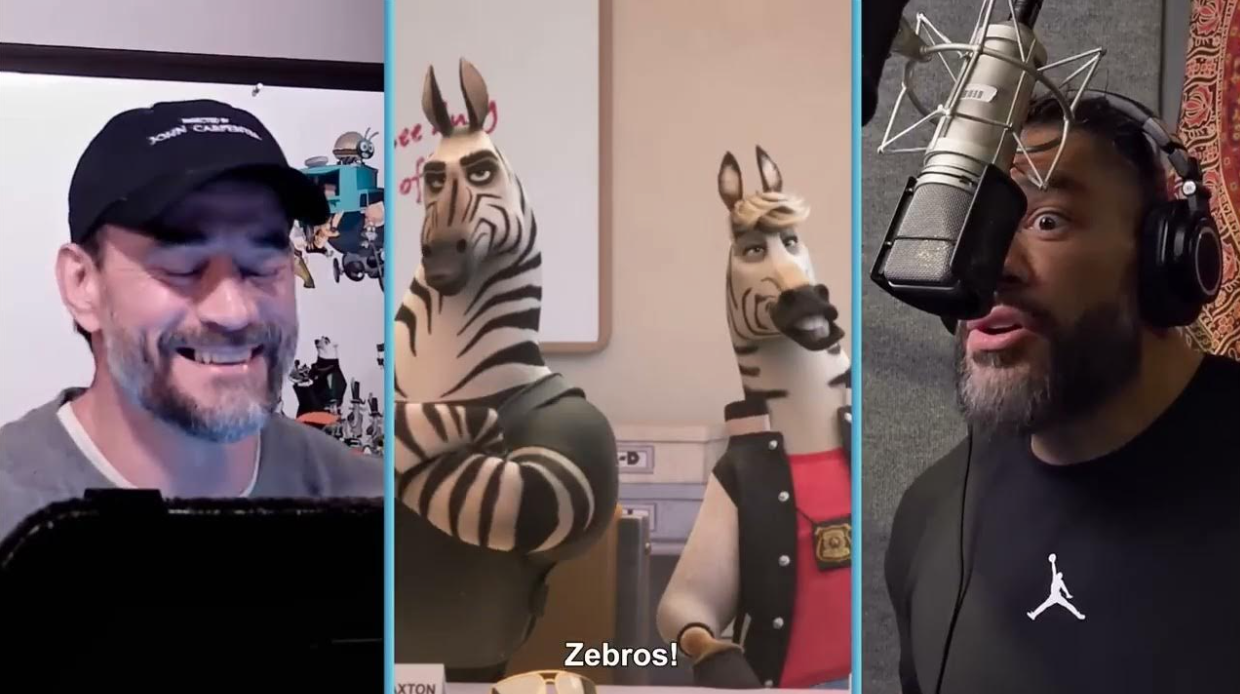
Additionally, a clever reference to the 2007 Pixar movie Ratatouille appealed to younger audiences. Running gags like the Zebros, the safe word coconut, and a nod to the classic game Hungry Hungry Hippos also stimulated young audiences. Each species of animal being of a different nationality adds to the humor as well; for example, mountain goats have German accents and wear lederhosen, and small mice are Italian American crime bosses. However corny the animal puns may have been, they still had charm and were funny in their own right.
The humor was not the only appeal of Zootopia 2; the film’s layered plot and symbolism also contributed to its success. The main theme of putting aside differences, not only in society but also in partnerships, was symbolized in the breaking of the carrot pen. The pen represented the partnership between Hopps and Wilde, and when it broke, a rift in their partnership opened up. However, at the end, the pen was repaired, symbolizing the reparation of their partnership. The main allegory of the movie was the misplacement of the native people, that being snakes and reptiles, in the context of the movie. It gives a nice message to the younger generation that, despite differences, the world can coexist peacefully as a community.
In all, Zootopia 2 was a thoroughly enjoyable watch and is highly recommended to moviegoers of all ages. Just take HHS student and crew savant Landy Vittorini’s word for it: “Oh boy, am I so hyped for Zootopia 2. It’s kind of like watching Drake Maye pass the football, guaranteed to be a touchdown.”