












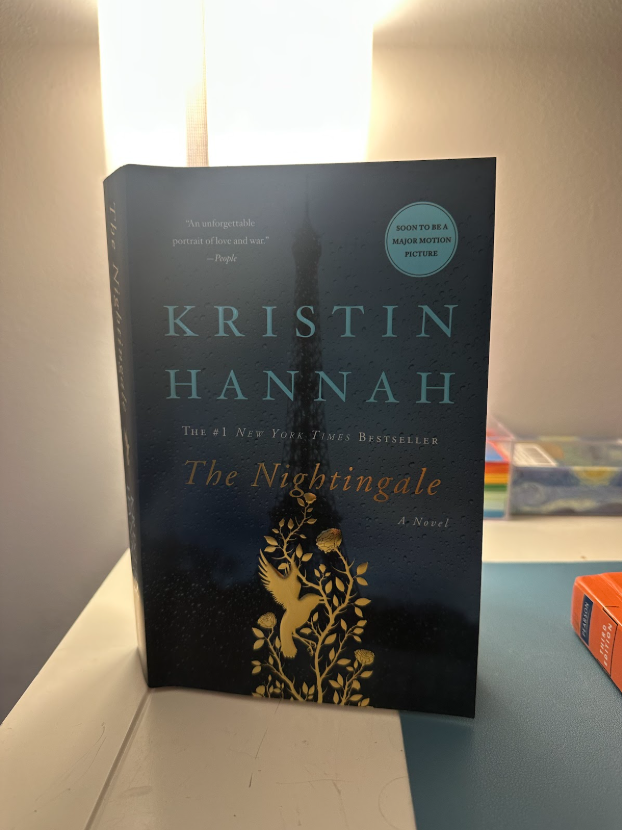
The Nightingale is a historical fiction novel written by Kristin Hannah and originally published in 2015. The story quickly became a massive bestseller, consistently topping the New York Times Bestseller List. By 2025, the book had been translated into 45 languages and sold over 11 million copies worldwide. Currently, it is being adapted into a movie for release in 2027, starring sisters Dakota Fanning and Elle Fanning.
The novel is set in war-torn France during the Second World War, featuring the perspectives of two sisters as they navigate their lives as women and French citizens under Nazi occupation. Separated by nearly a decade of age, the sisters take very different paths of resistance and survival. Vivianne remains in the countryside, enduring quiet sacrifices as she struggles to protect her children and maintain a sense of normalcy. In contrast, Isabelle travels to Paris and joins the French resistance under the code name “Nightingale”. Their contrasting decisions emphasize how extraordinary bravery can take many forms and showcase the silent endurance of women during World War Two.
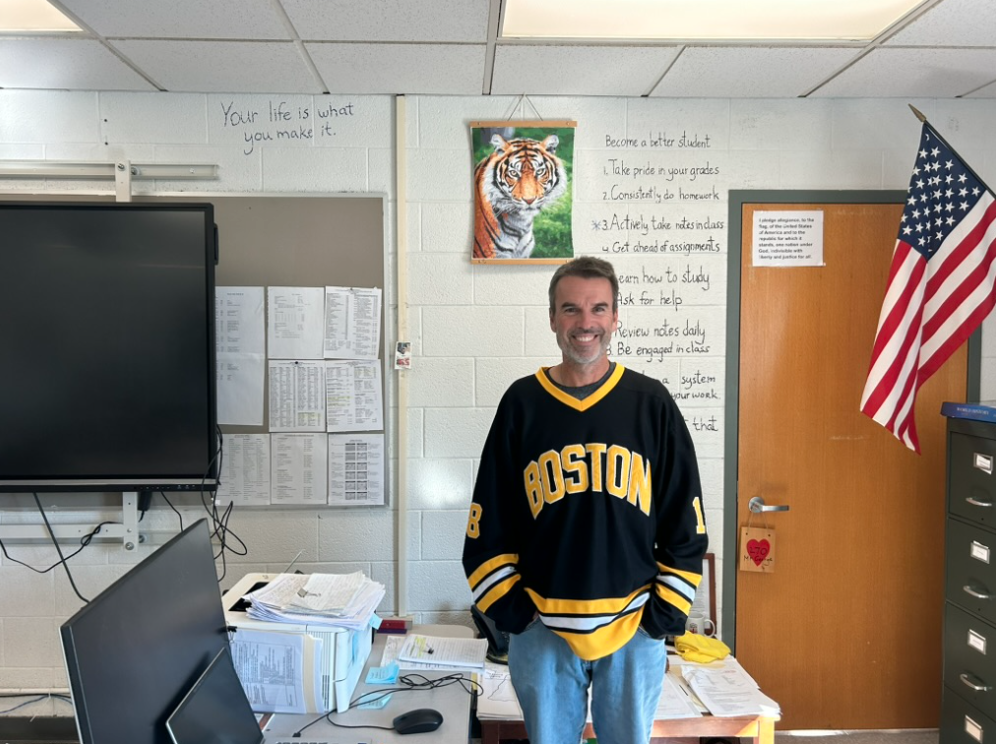
Most importantly, the novel brings attention to a topic that is often overshadowed in traditional accounts of World War Two history: the contributions of women. Kaitlyn Manning, a senior at the Hingham High School states why recognizing these perspectives is important, “By narrating often-ignored perspectives, authors can deepen readers’ understandings of historical events. This idea connects to not accepting a single story, but instead seeking multiple points of view to gain a more accurate understanding of what truly happened.”
Stories of war frequently center on soldiers and battles, leaving the sacrifices of the resistance of women overlooked or minimized. The Nightingale challenges this narrative by emphasizing the essential roles women played to protect their loved ones, neighbors, and even their country during this significant period of time.
I enjoyed reading this story and would strongly recommend it. I found the book particularly enlightening because I learned little about war-torn France in my high school classes, and even less about French resistance. Character-wise, the emotional depth and relatable daily struggles make Vivianne and Isabelle feel realistic and deeply human. The split points of view allow the reader to become fully immersed in their day-to-day lives, creating the sense of actually living in France alongside them. In my opinion, the pacing keeps the story engaging, but there is a clear increase in violence and dramatic tension around halfway through the novel. I would recommend the novel to readers ages 16+ as it includes triggering depictions of violence and death.
Overall, through heartbreak and hope, the novel powerfully illustrates the resilience of women during wartime and reminds readers that heroism is not limited to the battlefield but is often found in everyday acts of bravery and sacrifice. Ella O’Neill, a senior at Hingham High School says, “This book is one of my favorites and I 100 percent recommend it as your next read!”