












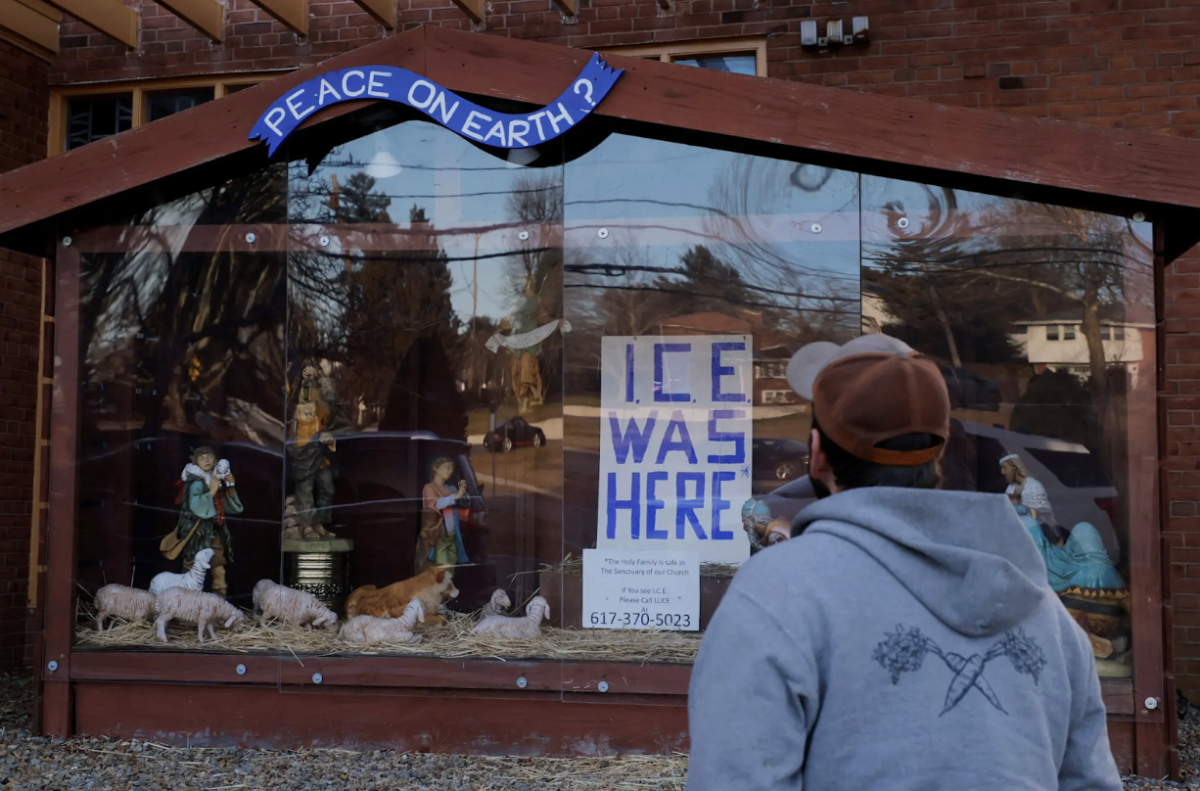
Recently, St. Susanna’s Nativity scene has sparked controversy across the country, garnering both positive and negative recognition for its bold statement about ICE.
ICE, a part of the Department of Homeland Security (DHS), stands for U.S. Immigration and Customs Enforcement, a federal agency that enforces immigration laws and combats transnational crime. The agency has been active since 2003 under the presidencies of George W. Bush, Barack Obama, Joe Biden, and Donald Trump; However, in recent months, under President Trump’s second term in office, there has been an ongoing issue of inhumane acts done in the name of the “greater good of the country.”
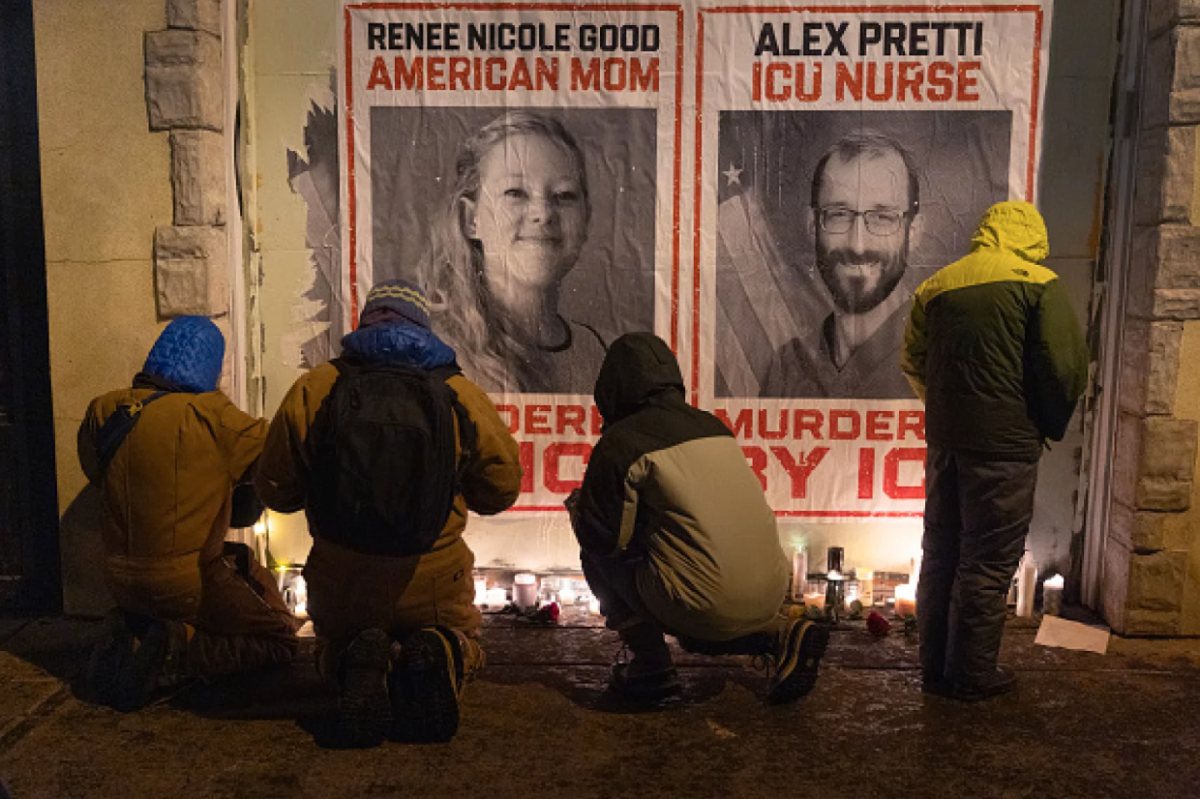
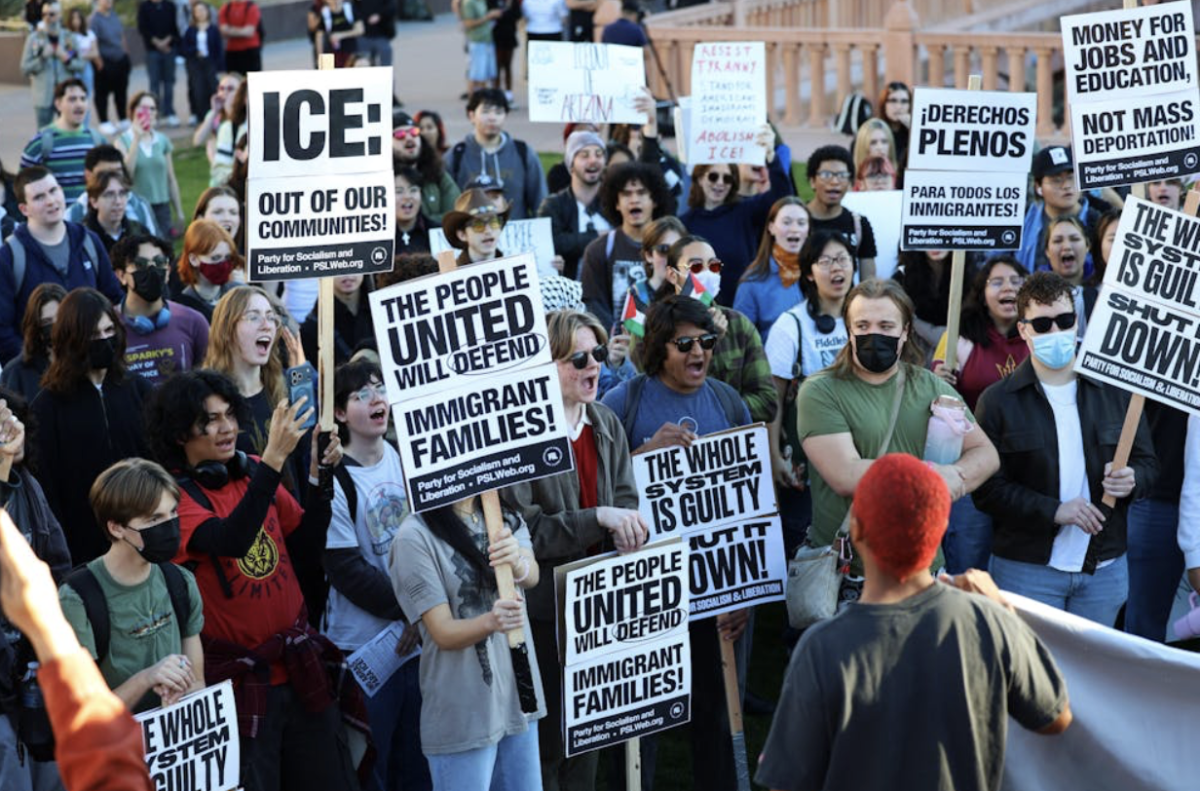
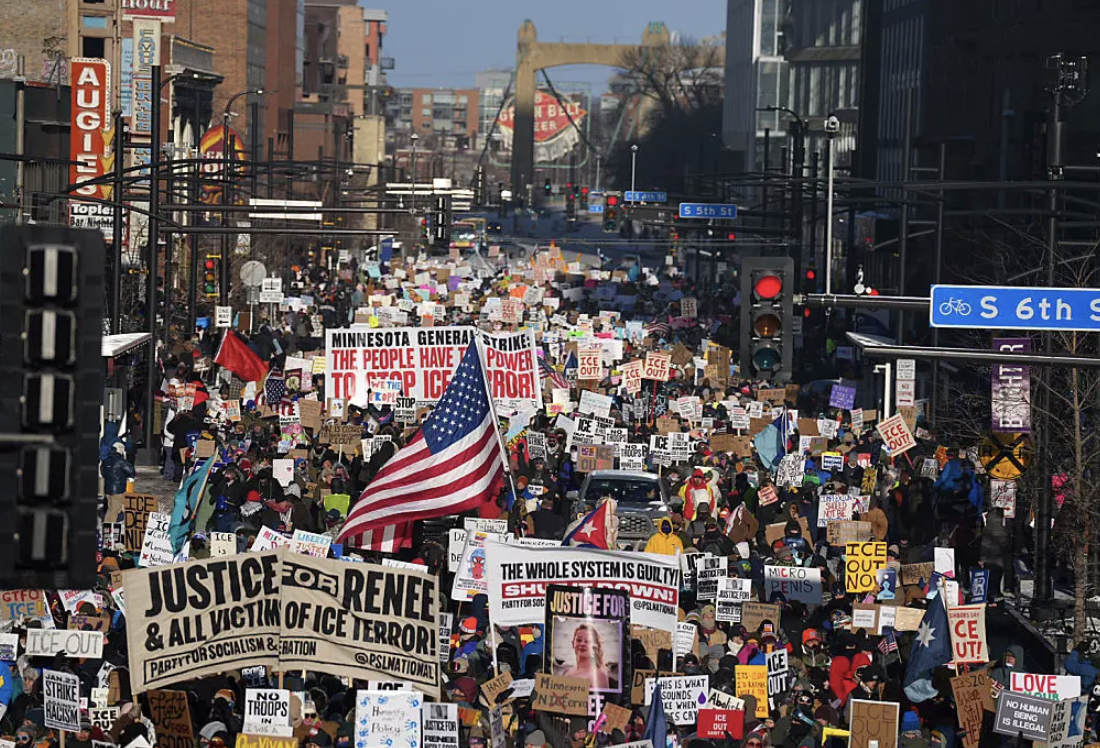
The word deportations has become more common in recent months;. However, under the other presidents who served during ICE’s era, deportations were just as common, if not more so. Deportation and immigration policy in itself is a topic of debate, but it’s not the reason for the recurring protests and anti-ICE displays. The newfound interest in the agency stems from its recent acts of violence and deplorable abuses of power.
In protest, the leaders of the Church defied the direct order to remove the display from the Catholic Archdiocese in Boston. Pastor Stephen Josoma replaced the Holy Family in the Nativity scene with a sign that read, “ICE was here,” suggesting that if Jesus, Mary, and Joseph were present in modern-day America, they would be treated in the same manner as many immigrants and even U.S. citizens. The latter has occurred multiple times, as people who were either born in the United States or possess legal documentation have been detained and arrested for no reason other than racial profiling.
Concerning the Church’s teachings, it is known that in the Gospel of Luke, the Holy Family fled to Egypt to escape King Herod’s decree to kill the young boys, including Jesus, thereby making them migrants and refugees.
Many argue that the display is sacrilegious and has no place in a Nativity scene. Responding to the backlash, Josoma told reporters that although some individuals may not agree with the exhibit, this “does not render it sacrilegious.” He also noted that a final decision regarding the display will be made in consultation with the leaders of the archdiocese.
Echoing this earlier sentiment, many also insist that politics has no place in the Church, including within the Catholic Archdiocese of Boston. Members of the Dedham parish expressed confusion because, only a month before the news of the Nativity scene emerged, the U.S. Catholic bishops issued a nearly unanimous statement condemning the Trump administration for its use of ICE and its aggressive immigration campaign.
Granted, not everyone believes the display was a bad thing. At HHS, when students were asked for their opinions on the matter, the majority believed that it brought proper awareness to the problems in the US.
Kristi Fickes, a sophomore at Hingham, said, “The church’s decision was a bold one, but I think that it is an effective way to spread awareness about the issue as it has easily gotten coverage in the news.”
Similarly, Brooke Cashman, another sophomore at HHS, believes, “Putting such a display at churches helps gain attention from certain groups of the population that could make a difference in the long run.”
Despite the news coverage about the Dedham Nativity scene, there have also been others across the country with controversial displays. Close to Chicago, a Nativity scene lacks the Holy Family as well, except in this case, they are hiding from ICE. Illinois also had another scene in Evanston of a baby Jesus with his hands tied up.
Clearly, the country has divided opinions on the matter, but as time goes on, more people want answers and solutions to the rising controversy that ICE and its intentions bring.