
























The use of artificial intelligence in human lives has recently raised global concerns as social and economic issues begin to impact society. Besides the software it holds, which is used to perform tasks that usually require human interaction or intelligence, its energy-intensive data centers have a significant impact on the environment. Large tech companies, such as Meta, control AI infrastructure, and therefore, as popularity and usage skyrocket, so do the environmental impacts.
For AI to properly function, by creating machines and software to perform learning, problem-solving, and understanding, it needs access to water and electricity. Both are pivotal for production, as water cools the software and electricity fuels the energy demands. The purchasing of large parcels of land is solely done to build data centers that power AI services. The U.S. South is a target region for these companies because of its easy access to water, cheap land, and large campuses to house such infrastructure. Unfortunately, the environmental impacts are not taken into account by the companies, and citizens are protesting and seeking a different way to house the centers.
Concerns reach far beyond local areas in the South, however, as students here in Hingham High School are quite informed of the topic. Sophomore James Magner stated, “I have definitely heard of the recent purchases down in the South for these AI companies, and it’s startling to hear how it affects our planet. In a region that already faces water shortages due to droughts, I feel that agriculture is going to be unstable in the future.”
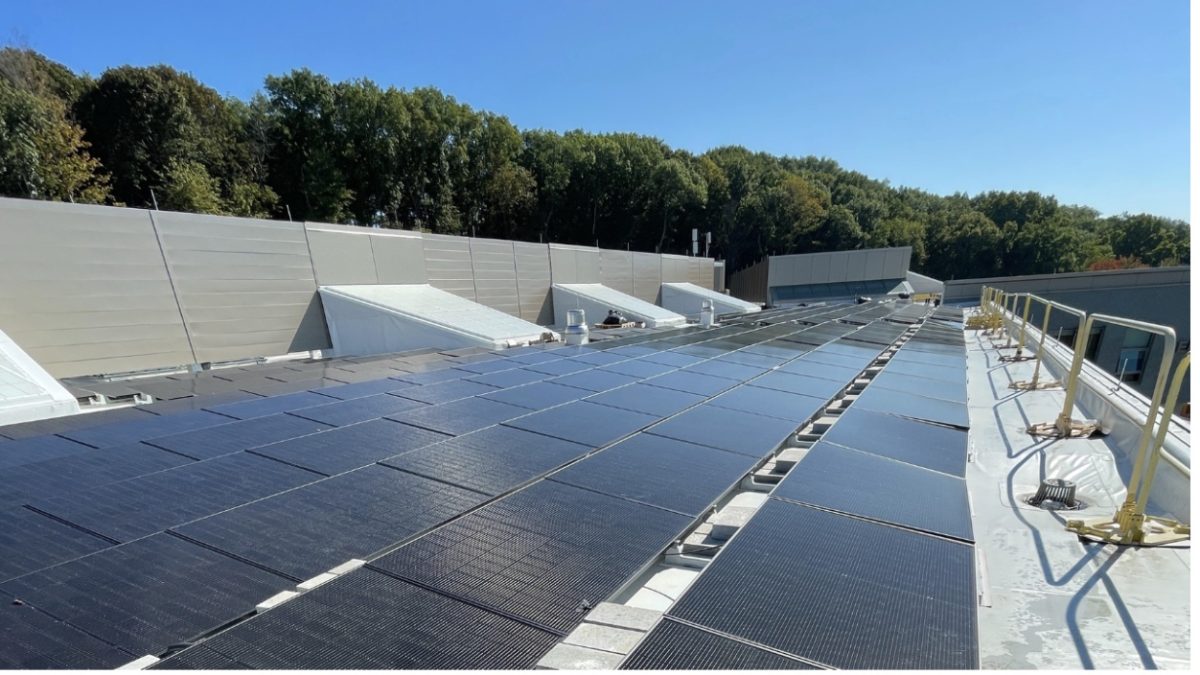
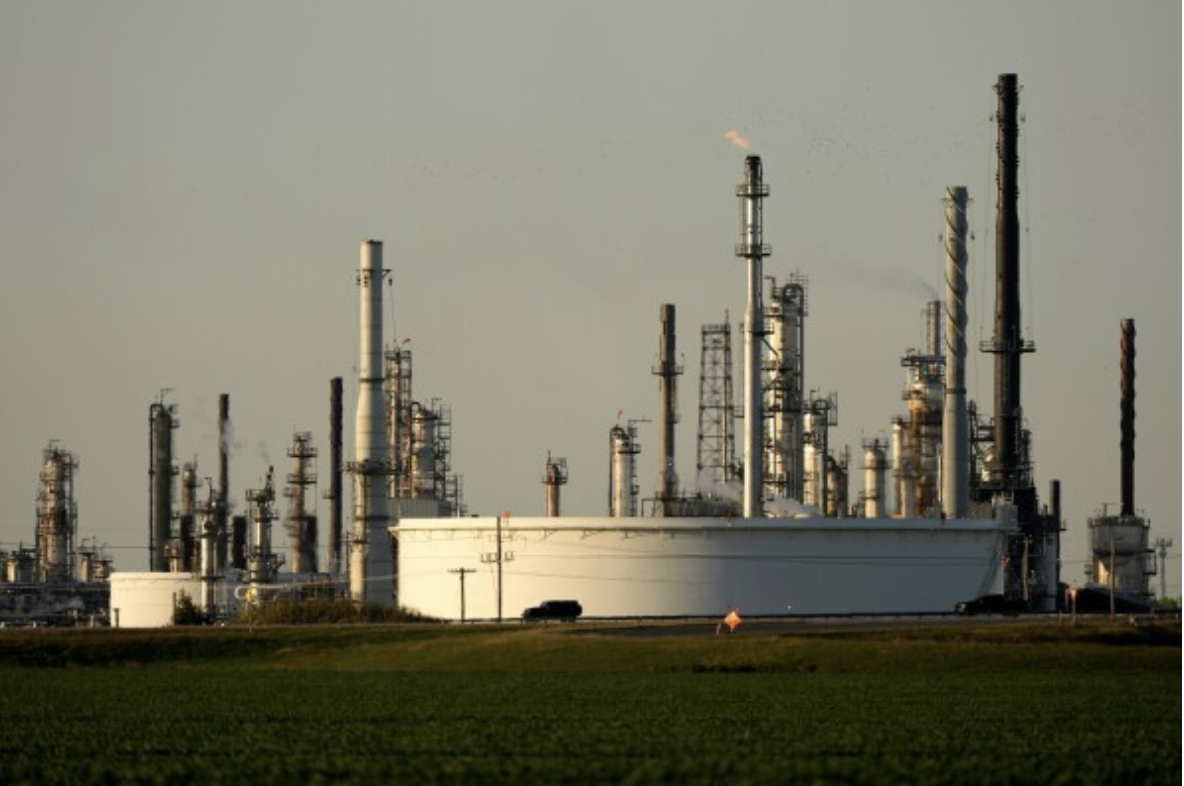
An argument has been made that green energy projects are frequently invested in by these companies. In reality, however, the scale of energy required substantially outweighs local capacity, which means fossil fuels remain prevalent. Mass destruction of rural land ruins the biodiversity and fragments wildlife habitat, as forests and farmland are cleared. Residents in rural communities have seen a rapid increase in land value, which has priced out locals. Water rates have also increased, and there has been reduced access due to industrial usage. This has disproportionately affected small communities, and the issue is not addressed by broad sustainability goals.
Sophomore Nolan McManus believes, “The effect AI has had on local communities in the South may seem unimportant to other U.S. citizens, but it is most likely that these companies will look to expand nationwide. Sooner or later, these issues will become local to us, and we must support change by reaching a collective goal that can be agreed upon.”
It is reported that Meta’s Georgia facility uses around 500,000 gallons of water per day, which is around ten percent of the total local supply. Residents have reported sediment issues and costly water fixes, and with larger-scale facilities on the horizon, water supplies face further pressure. Communities, environmental groups, and local policymakers continue to work out solutions to the harmful effects AI has placed upon the U.S. South. Buying large plots of land brings an economic investment that is useful for AI, although it raises serious concerns environmentally and socioeconomically.