





























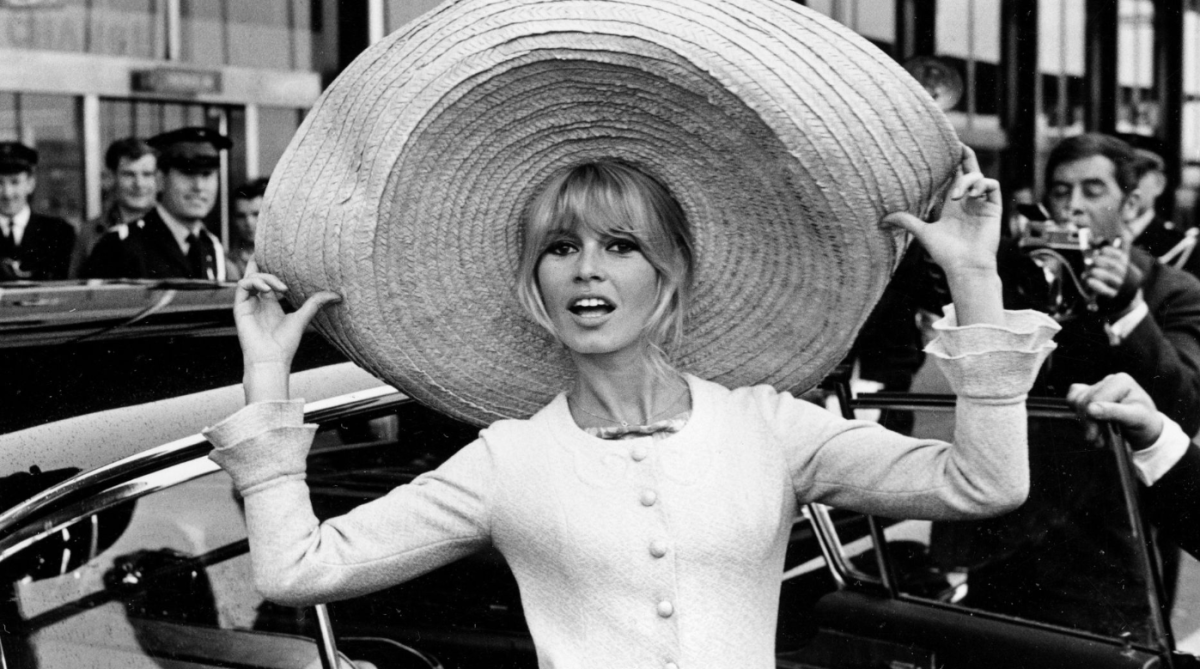
Brigitte Bardot’s life has always existed in motion—between myth and reality, admiration and controversy, retreat and provocation. Few figures of the twentieth century reshaped popular culture so completely, and fewer still lived long enough to witness, resist, and complicate their own legend.
Emerging in the 1950s, Bardot did more than become famous; she altered the visual language of desire. In films such as …And God Created Woman, she embodied a new kind of femininity—unapologetic, instinctive, and free of the coy restraint that had long governed female roles on screen. Her presence felt less performed than lived. Audiences did not merely watch Bardot; they responded to her, and the world recalibrated around that response. Fashion followed, cinema followed, and so did public anxiety about what her freedom represented.
Yet Bardot never appeared comfortable with the machinery that elevated her. Fame arrived swiftly and aggressively, and she resisted it with equal force. Long before celebrity withdrawal became a narrative trope, she walked away from acting entirely, choosing obscurity over continued stardom. The decision baffled admirers and critics alike, but it revealed something essential: Bardot’s refusal to be defined by a role, even one she herself had made iconic.
Her later life unfolded in sharp contrast to her early image. Settled in Saint-Tropez, she redirected her intensity toward animal rights activism, founding the Brigitte Bardot Foundation and dedicating decades to the protection of animals. This commitment was neither symbolic nor fleeting; it became the central axis of her identity. To supporters, it demonstrated moral clarity and resolve. To others, it complicated the nostalgia surrounding her image as a carefree screen goddess.
Complication, in fact, is inseparable from Bardot’s legacy. Her outspoken political views and repeated legal troubles over inflammatory statements fractured public opinion and forced an uncomfortable reckoning: how to hold together cultural admiration and ethical disagreement. Bardot never sought reconciliation on these terms. She spoke as she wished, indifferent to consensus, reinforcing the sense that she belonged to no camp but her own.
What remains, then, is not a tidy story but a resonant one. Bardot stands as a symbol of liberation and contradiction—a woman who expanded the boundaries of female expression while resisting the social frameworks that followed. She is remembered not only for how she looked or what she represented, but for how fiercely she lived on her own terms.
Junior at Hingham High, Kaylie Fabrizio, remarks that “Bardot was an icon of her era, and will forever have a presence in modern media, fashion, and advocacy.” Furthermore, Senior Allie Banks, states that, “She lived a long life and she will forever be missed.”
In the end, Brigitte Bardot’s legacy endures precisely because it resists closure. She did not fade into her image, nor did she allow history to smooth her edges. Instead, she remains a figure who provokes reflection: on fame, autonomy, responsibility, and the cost of radical independence. To remember Bardot is not simply to look back—it is to confront the enduring tension between freedom and consequence that defined her life.