











On January 3rd at 2 a.m. in Caracas, Venezuela, the new year started with a bang as American ordinance and aircraft descended on the foreign capital. Less than two and a half hours later, dictator Nicholas Maduro and his wife were in US custody on a flight bound for New York.
The swift operation was a product of months of deliberation. Planned far in advance, spies observed all aspects of Maduro’s lifestyle and safehouse, relaying information to the United States where it was adapted into a plan of attack, dubbed “Operation Absolute Resolve.” Under complete secrecy, kept even from Congress, elements of the military prepared for the capture mission. Delta Force, the US military’s most elite special mission unit, was selected to raid the extremely fortified compound housing Maduro.
Backed with overwhelming air, naval, and ground firepower, Delta Force disembarked in the fortress as electricity and communications were disabled. Armed with the element of surprise, operators efficiently rushed the building and intercepted the retreating Maduros. The US achieved complete victory, quickly achieving its objective with no casualties.
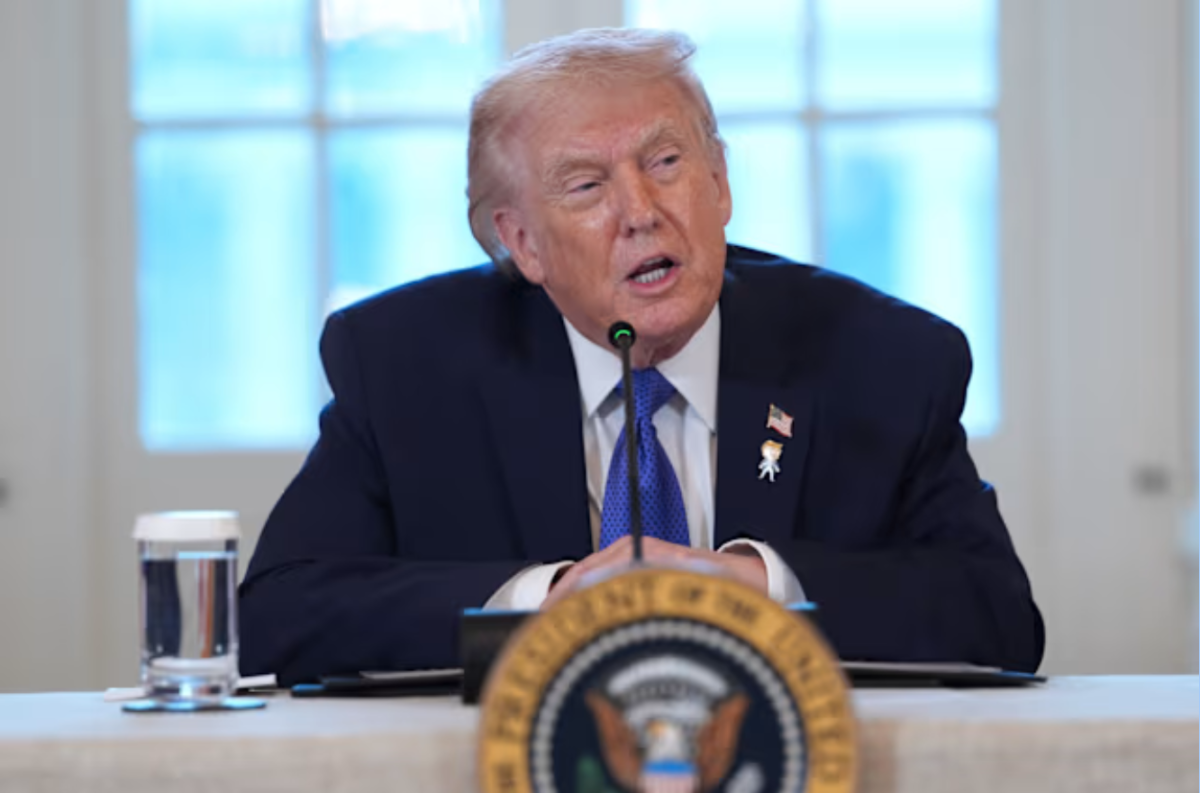
The decisive military victory was received with partisan criticism, claiming the US acted violently with little backing, in violation of the United Nations Charter, which states a nation may not use force on a foreign nation without consent, authorization, or self-defense rationale. The Trump administration argues the capture of Maduro was a function of law enforcement, finally charging the dictator on long-standing indictments of “narco terrorism”.
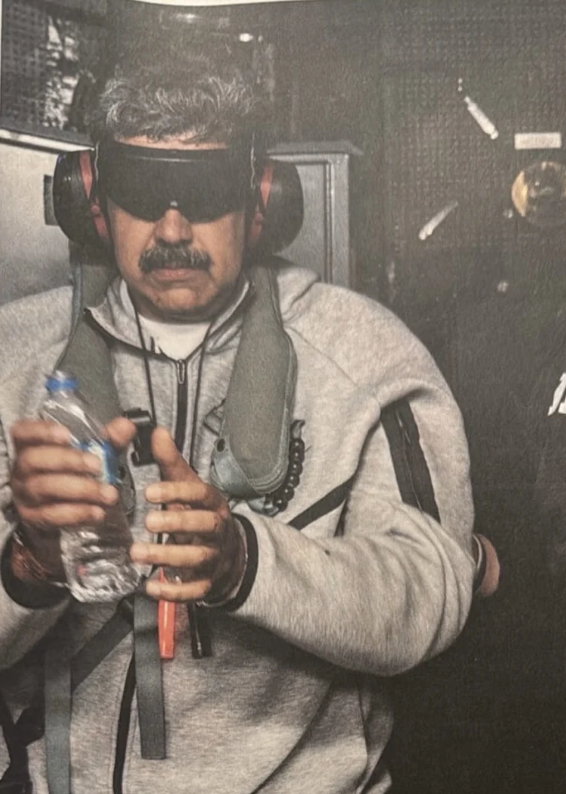
Venezuelans have scattered opinions in the week following the sudden kidnapping of their dictator, Maduro. Among the brave perspectives offered despite the limited freedom of speech, it is depicted that most citizens appreciate the United States for removing Maduro’s illegitimate stake to power, though they express concern that a foreign government so easily interfered with their nation.
Additional concerns are that the US is instead planning to exploit Venezuela’s wealth of natural resources, particularly oil, as if it were a colony.
The US has garnered international criticism for the operation, as rival powers like China and Russia, Latin American allies of Maduro, and even some US allies have expressed alarm, condemnation, or caution.
For instance, Colombia, the foremost ally of the US in the region, was scathing in its remarks about the attack, calling it an “abhorrent” violation of Latin American sovereignty. HHS junior Jack Darling, who has family in the country, sides with Colombia, remarking, “The US has no need to capture Maduro.”
This major operation implicates a shift in US policy toward a more interventionist posture in the Western Hemisphere, as defined and previously conducted under the Monroe Doctrine.
APUSH student Sean Christofferson commented on the repetition of history, saying, “It is crazy to see the Monroe Doctrine, a 200-year-old piece of United States foreign policy from our class, become relevant in the current news.”
The situation in Venezuela remains a developing issue, though Maduro’s regime appears to live on under new leadership, to the dismay of many Venezuelans.