

























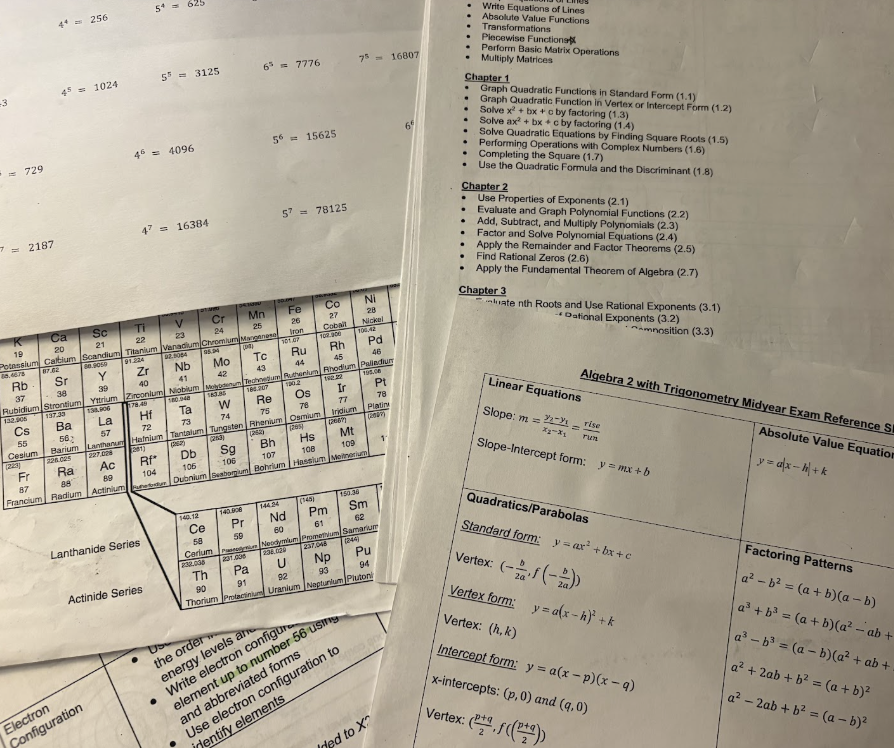
Everyone knows that midterms are one of the most stressful times of the year. Countless hours of studying are not only poured into these exams, but also into the assignments the teachers assign right before the end of the term.
For those who participate in sports, clubs, and theater outside of school, the week of January 12th-16th has become one of the most stressful weeks of school so far. Supporting this, Aidan Holmes, a sophomore basketball player at Hingham High School, says, “From waking up early every morning for school to going to games and practices in the afternoon, and staying up late to study, this week has most definitely been the peak of my stress levels as a sophomore.”
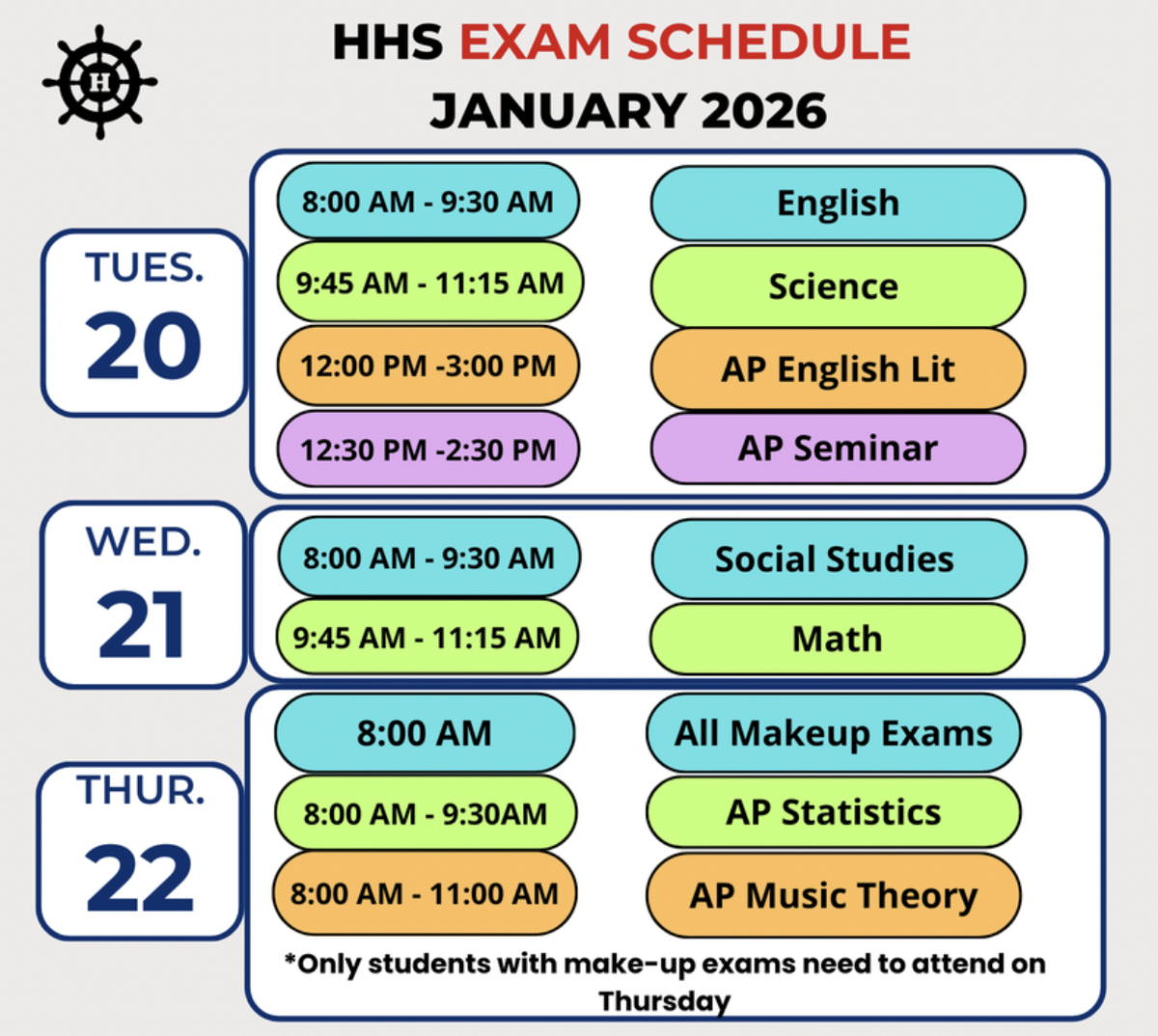
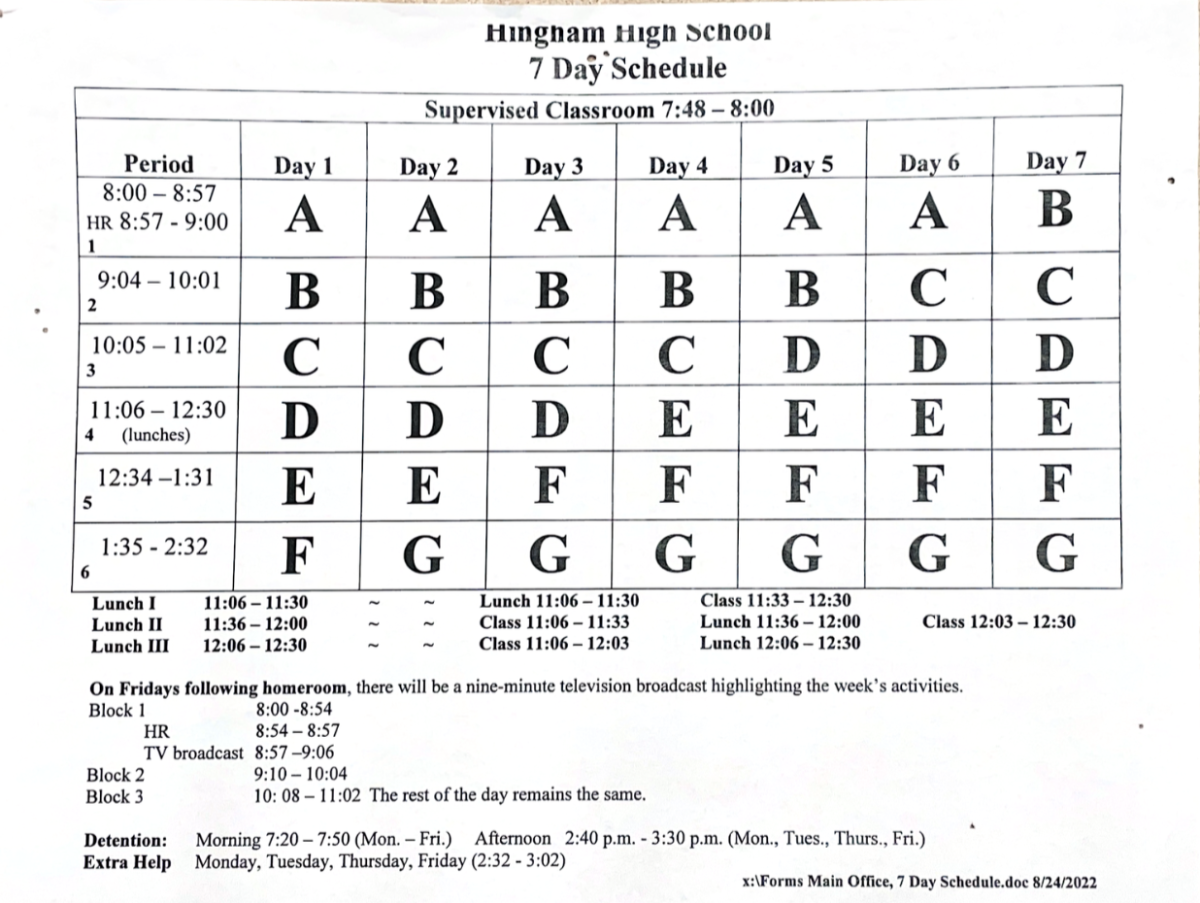
As a parent, friend, or teacher of a student during this anxiety-filled time, it is important to understand the circumstances they are under. Most likely, students are sleep-deprived from their early mornings and late nights, physically tired from games, practices, and other activities. In addition, students are also mentally exhausted from spending 6.5 hours at school, plus the hours of hard work that take place at home. Although core subject midterms are coming up the week after the 12th, language midterms have already occurred, just as everyone is stressed about studying. Therefore, as a parent, it is important to understand where the short tempers might stem from.
To other students during this week and weekend, here are some ideas on how to lower stress and feel more confident going into the week of midterms.
First, have a proper sleep schedule that permits 8-10 hours of sleep. Getting enough sleep is vital to success as it increases memory, focus, and learning. It is also important to note that at a certain point, getting sleep can be more beneficial than staying up all night studying. Moreover, sleep reduces stress and improves mood, which helps with relationships between friends and family. Especially during this time, many kids are getting sick with either the flu or a cold. Getting sleep is essential because it strengthens the immune system to fight illness.
Another simple way to increase learning capabilities is by taking small breaks between studying. One method that Winter Griffin, a sophomore at Hingham High School, has personally found effective is “to work hard for 40 minutes on whichever subject you like, then take a 20-minute break. I always make sure during this time I have no distractions like a phone or TV nearby.” To emphasize Winter’s point, during the 20-minute break, try not to go online, but rather do some sort of physical activity or get a quick snack to recharge and reset the mind and body.
Overall, the students at Hingham High School in the week leading up to midterms have a lot of weight to carry on their shoulders; They worry about term tests, essays, sports, and other activities while also carrying the burden of language midterms the same week.