




















The landscape of the commercial drone market in the United States will endure remarkable changes within the next months and years due to recent administrative orders being passed, potentially leading to the unintended termination of the industry.
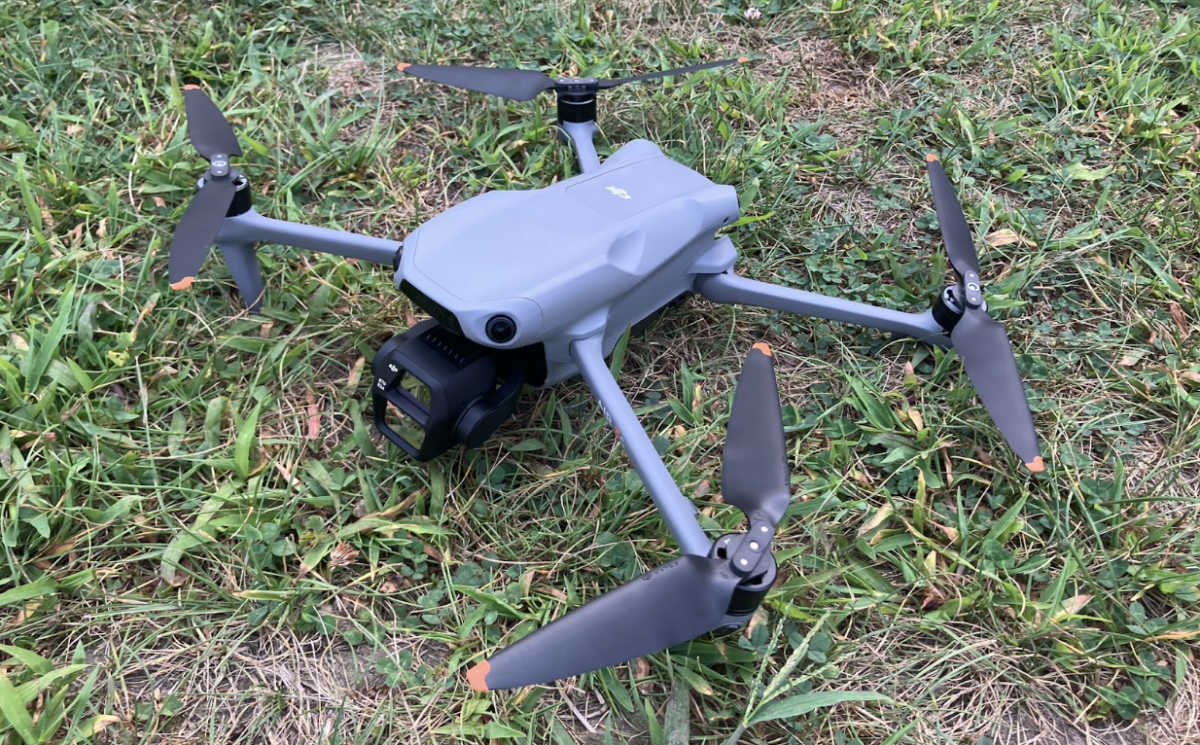
Starting back in 2019 and continuing into 2023, both the Trump and Biden administrations pushed for federal agencies to refrain from using foreign-made drones, citing security concerns. It was believed by many US politicians that the Chinese government had control over the leading drone manufacturers in the country, in particular the drone company DJI based in Shenzen. However, DJI continuously denied any association with the regime.
In 2024, the CCP drone act was passed. This act created a one year window for DJI to be audited by a government agency to prove there was not a security risk at hand. In this proposed audit, one of the investigative federal agencies would examine the software and hardware of these drones and determine whether or not they posed a risk to US security. However, even after many desperate attempts by DJI to get one of these agencies to examine their technologies, none of the investigative agencies took up the offer, meaning that the timeline expired without an audit being conducted.
This then led to December 23, 2025, where DJI drones were placed on the Covered List by the Federal Communications Commission, the commission that controls wireless communication in the United States. As of January, this ban only applies to future unreleased drones, however it signifies the potential grounding of all DJI drones, along with other foreign based drone companies in the US.
The reason why the ban of DJI drones is so significant is because it holds 80% of the unmanned aircraft market in the US. This staggering percentage, along with the lack of any real US-made competition when it comes to cost, reliability, and technological superiority, could decimate the drone industry as a whole in the United States.
Although drones are often associated with hobbyists and those who utilize them for recreational use, this technology has proved to be a vital part of many major industries.
For example, drones are now a large part of the agricultural industry in the United States. Drones are used for mapping, seed planting, and applying pesticides to crops to help increase efficiency and output. In particular, the use of drones for mapping crop fields paired with the development of new softwares such as Pix4D Mapper and Drone2Map have helped US farmers determine the health of their produce. However, this use of drones for digital map creation may soon be in jeopardy, as the two most popular drones for this use case, according to ArcGIS, are the DJI Phantom and DJI Agras, both of which are manufactured by DJI, a Chinese based company.
Another sector that will be affected by the ban of foreign made drones are the emergency services.
To start, firefighters have used drones to aid in their efforts. Drones equipped with thermal cameras have been used to detect hotspots in both urban fires and wildfires in rural areas. These drones provide critical information to firefighters that would have otherwise not been able to be captured. Similarly, the police force utilizes drones in certain situations to provide critical information. Many specialist police cars are now equipped with this technology. Although helicopters are still used to create aerial imagery for first responders, there are major cost saving benefits and accessibility benefits when it comes to using drones. Again, DJI and other foreign drones dominate this market, as they have proven to be the most cost effective and advanced technology available.
The final major sector that drones have been a vital part of have been natural disaster response efforts. Whether it be after a flood, hurricane, earthquake, or wildfire, this technology has been used to reach the aftermath of disaster zones, places humans are often not able to access.
Hingham High School sophomore Spencer Farish, who recently earned his commercial drone license, states,”I am disappointed in the recent ban on foreign drones under the Covered List because they haven’t been proven to have a security issue; it’s only that they come from a country they have labeled a security risk.”
He goes on to mention,”It limits US drone operators from accessing the newest and most advanced technology in the UAS space, placing us behind other countries, with industry leader DJI holding roughly 80% of the United States UAS market.”
In addition, sophomore Rex Chen holds a similar sentiment, as he states,”I disagree with the ban of these foreign-made drones because the alleged security risk associated with them is not based on concrete evidence.”
The manufacture of drones from foreign nations has benefitted many important sectors and industries in the United States in the past and would have more than likely benefited the future of these sectors. Although unsubstantiated security risk claims of DJI drones have continued to discredit their impact, the existence of foreign-made drones in the US market may have an overall positive impact on the country.