











Tensions between U.S. Immigration and Customs Enforcement (ICE) and the city of Minneapolis, Minnesota, began in early 2025 and have continued into 2026, becoming a flashpoint in a broader national debate over federal immigration enforcement initiatives. Lila Johnson, a senior from Hingham High School states, “Videos of the protests have been shared all across my social media feeds and have definitely spread awareness to teenagers my age about the conflict.”
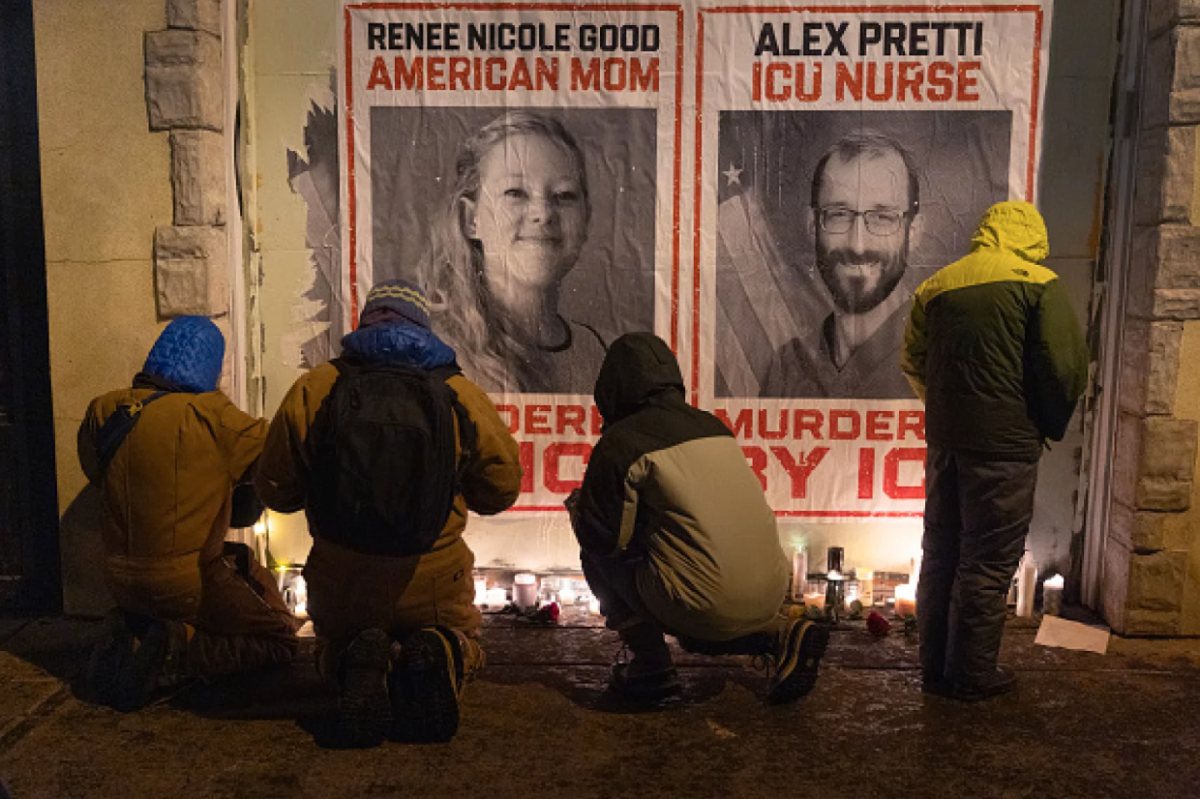
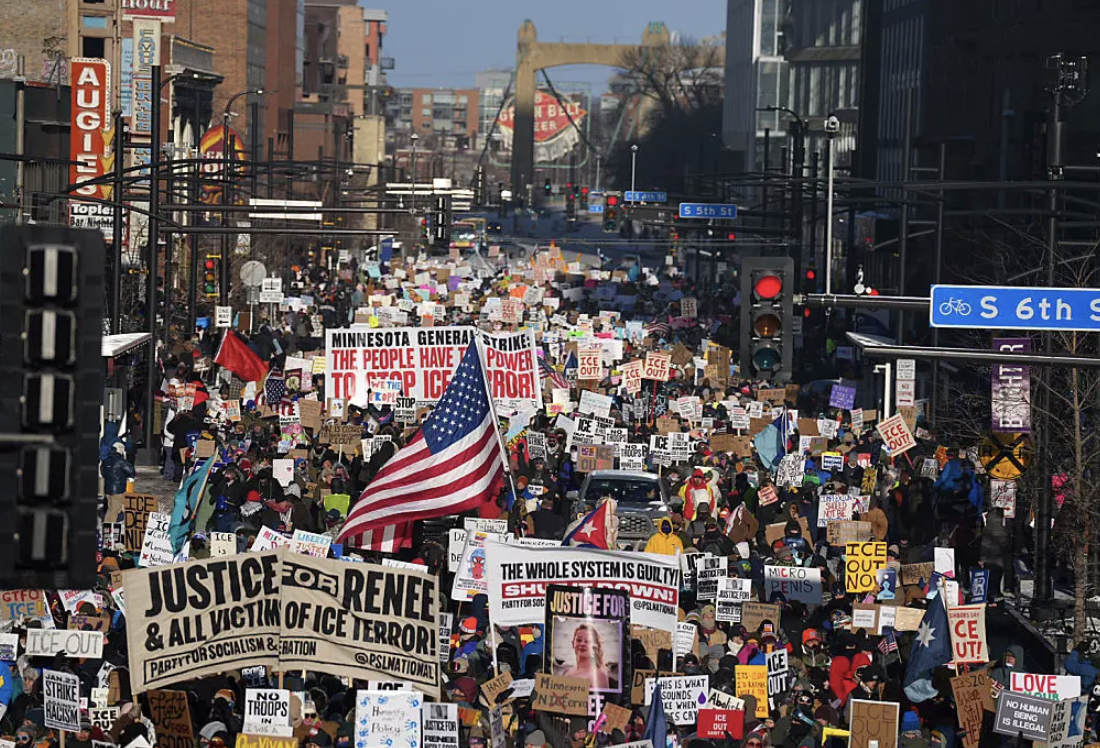
In early January 2026, protests erupted across the city after the killing of Renèe Good, a 37-year-old Minneapolis resident, by an ICE agent on January 7, 2026. Good’s death made national headlines, and the Minneapolis mayor called on President Trump to remove ICE enforcement from the city. Despite intense criticism of persistent problems with ICE enforcement tactics in the city, just two weeks later, on January 24th, federal immigration agents fatally shot Alex Pretti, a 37-year-old intensive care nurse, during an enforcement operation. President Trump and the Department of Homeland Security defended the agents’ actions, but state and city leaders called for investigations and accountability.
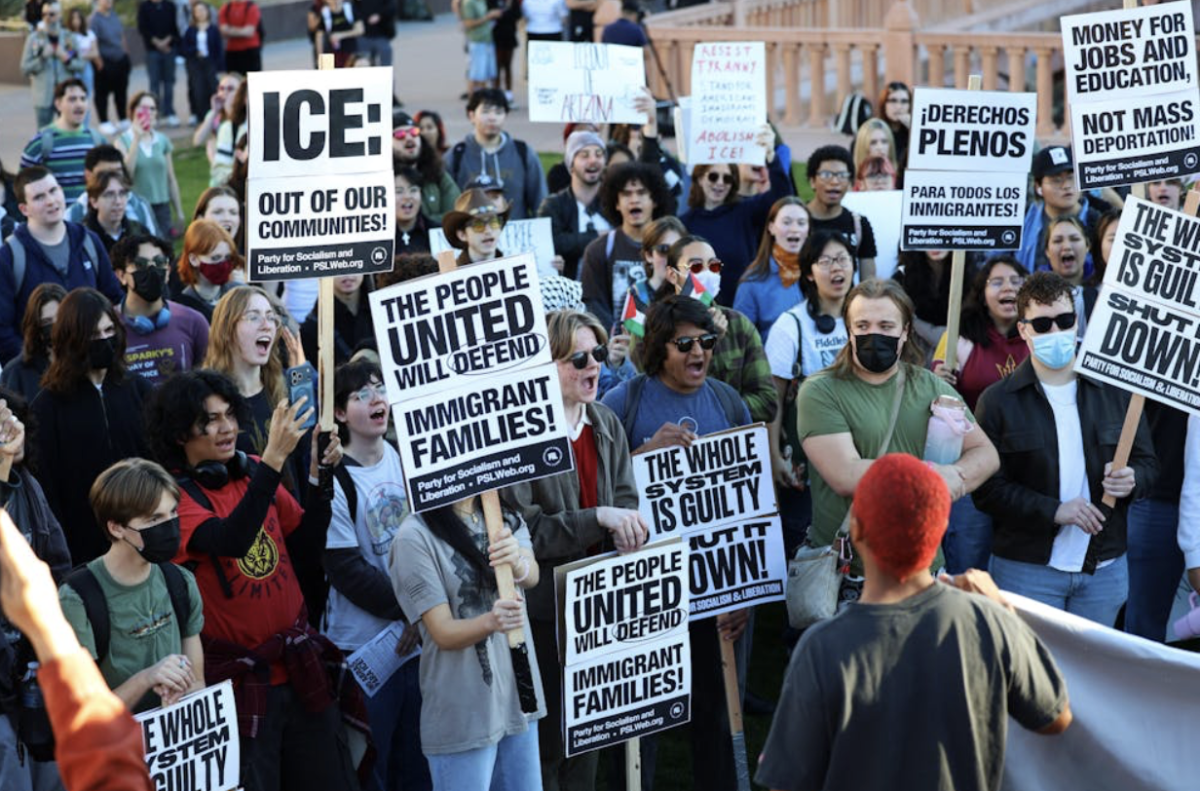
In response to these incidents and a broader federal enforcement surge known as Operation Metro Surge, tens of thousands of demonstrators have taken to the streets of Minneapolis. Many are marching through bitter sub-zero temperatures to demand an end to ICE’s presence in Minnesota, chanting slogans such as “ICE out” and calling for the agency’s abolition. Demonstrations have occurred not only in downtown Minneapolis but also at key federal sites, including Minneapolis-St. Paul International Airport and the Whipple Federal Building, where arrests of clergy and other protesters were reported.
The protests have drawn national attention and solidarity events in other cities, underscoring growing resistance to federal immigration policy and raising urgent questions about the use of force, oversight, and the role of federal agents in local communities. Yet political responses are sharply divided, with local and state officials demanding federal withdrawal and investigations, while some Republican voices are defending enforcement actions and urging stronger responses to unrest.
The situation in Minneapolis remains fluid, with protests ongoing and calls for policy reform intensifying across the U.S. Arianna Sood, a senior at Hingham High School, notes that, “It is important to stay up to date with the protests in Minnesota as they are causing widespread disruption and resembling a national political crisis.”