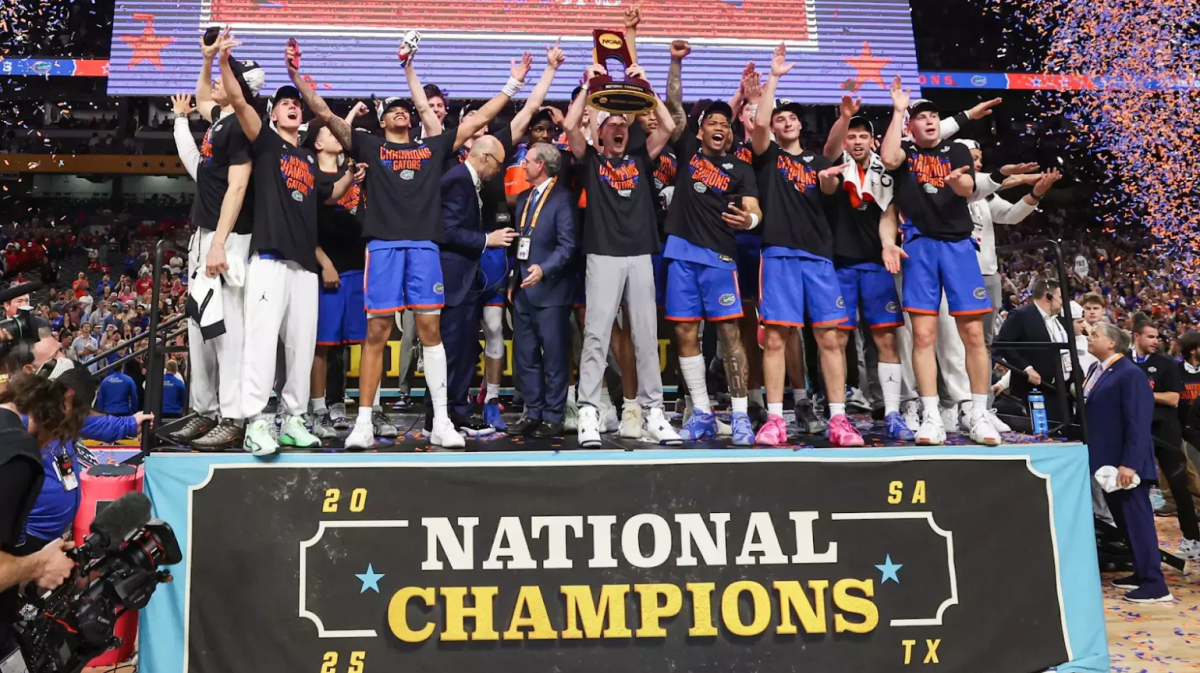








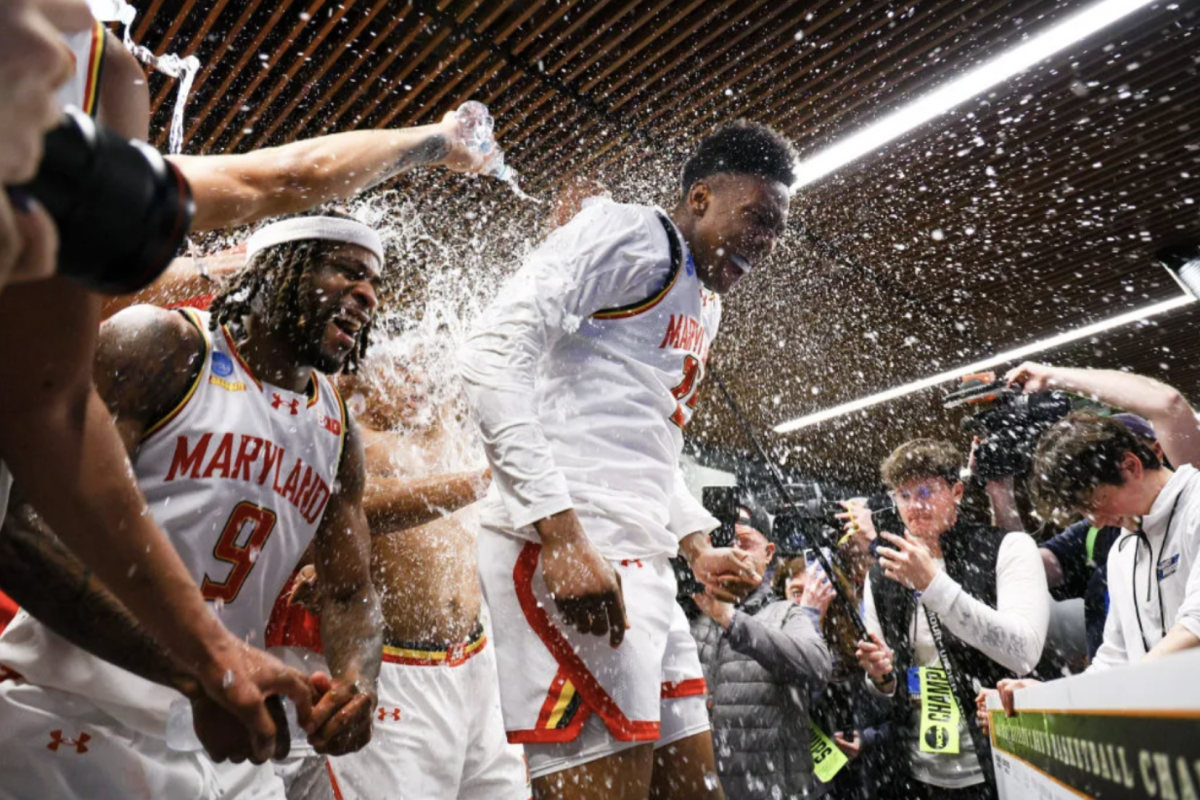

















Whether you’re a basketball enthusiast, a college student, or essentially any follower of sports, March Madness is certainly an event circled on your calendar. It is widely considered one of the most thrilling spectacles in sports because of its consistently unpredictable matchups that shock the nation. There are deep-rooted traditions surrounding each team that excite fans, no matter the team’s chances of winning. Although collegiate athletes are less well-known and less developed than NBA players, the tournament offers an opportunity to showcase their skills and leadership, which typically translate into success and longevity in their future careers.
The tournament has a different format from the NBA playoffs. Unlike the professional leagues, which have multi-game series, the NCAA tournament is single-elimination. There are seven rounds that lead to the national championship, a heavily anticipated game. The opening rounds include dozens of games, with seeding varying, and they take place over just a few days. Due to the frequency, something stunning, like an iconic buzzer-beater or an upset victory for a low-seed team, happens almost every few hours.
These massive ” wheres “, where small schools defeat established, larger schools, are what make the tournament interesting. Shockingly, it is extremely difficult to predict these games. For example, in 2022, St. Peter’s entered the tournament ranked as the 15th seed; however, they reached the Elite Eight after upsetting No. 2 seed Kentucky. At Hingham High School, students agree that upset victories bring excitement and anticipation to each game. Sophomore Ned Wittman said, “I always choose a low-seed team to win in my bracket because I think it’s fun to be invested in a game most people would usually skip.”
The bracket culture, as Ned was describing, is undoubtedly a nationwide obsession. It can be both a social activity and a personal activity to follow throughout the month. A bracket can be filled out digitally or on paper, and the idea is simple: successfully predict the winner of each game and compete against other brackets. It transforms the tournament into a national competition amongst fans, turning casuals into temporary experts.
When asked about the bracket culture, sophomore Andrew Accettella explained, “I like that you don’t need basketball knowledge to win, and although many experts advise you to choose a certain team, I usually go off of my gut feelings. I also participate in many different brackets, either with my family or friends, to better my chances of winning.”
Those odds, however, are quite slim. Actually, it is almost impossible to fill out a perfect bracket, with the odds being roughly 1 in 9.2 quintillion. Nonetheless, every year, there is a bracket that beats all others, earning them tremendous prizes.
The intensity, combined with emotional stories of collegiate athletes fighting for glory, impresses viewers with the players’ passion. The dramatic atmosphere brings people together through community or familial spirit, a time when basketball means more. Not only does March Madness create an iconic experience in the sports world, but it also emphasizes the purpose of sports for the viewers. A shared emotional experience that distracts from societal issues in today’s world, making a lasting impact on the players and fans.