
























Every year on March 17, people around the world celebrate St. Patrick’s Day. A day full of green, gold chains and coins, and especially large parades and parties. Although to many the festive day is only about partying, hanging out with friends, and drinking sugary milkshakes, the holiday’s history dates back many centuries to the life of Saint Patrick, the patron saint of Ireland, who lived from 385–461 AD.
To many, the day is non-religious and filled with festivities, but it has Christian origins. Saint Patrick was a Christian Missionary in Ireland when he was older and tried to explain religious ideas through things like the shamrock, which is why it is so popular. He used the three clovers to explain the holy trinity in an entertaining, simpler way. Many historians don’t know whether these stories are authentic, but still choose to spread the fun possibilities.
After Saint Patrick gained popularity in Ireland, a tradition was born of feasts honoring his death. However, the traditions we know and love today weren’t originally from Ireland. They were created between the seventeenth and eighteenth centuries in North America.
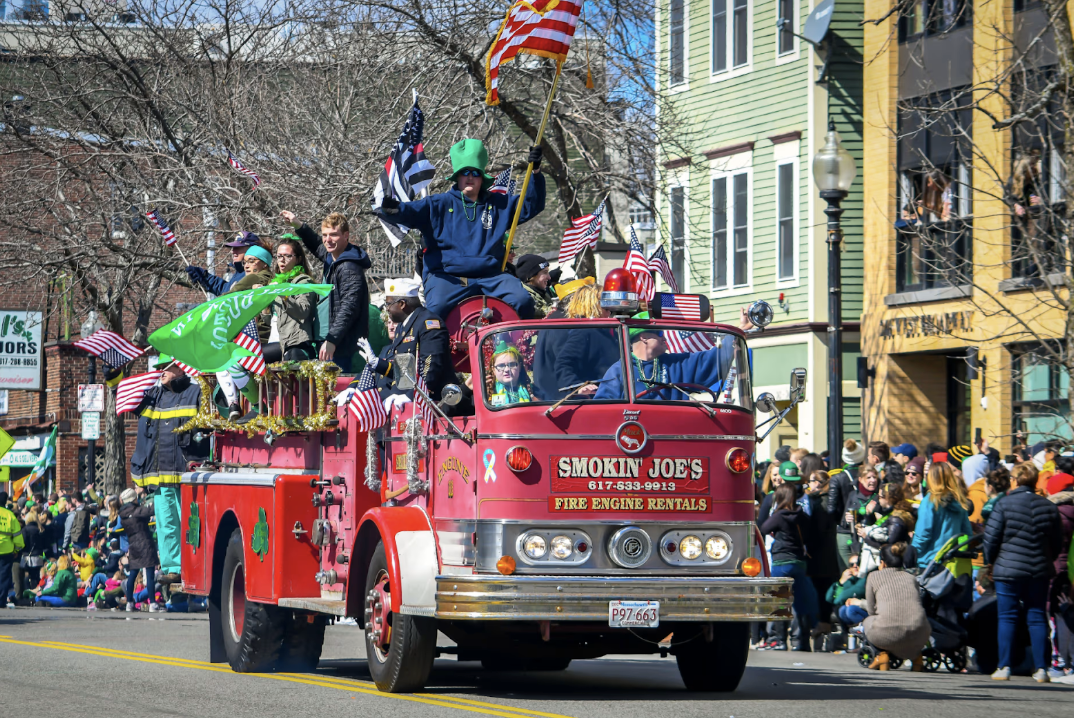
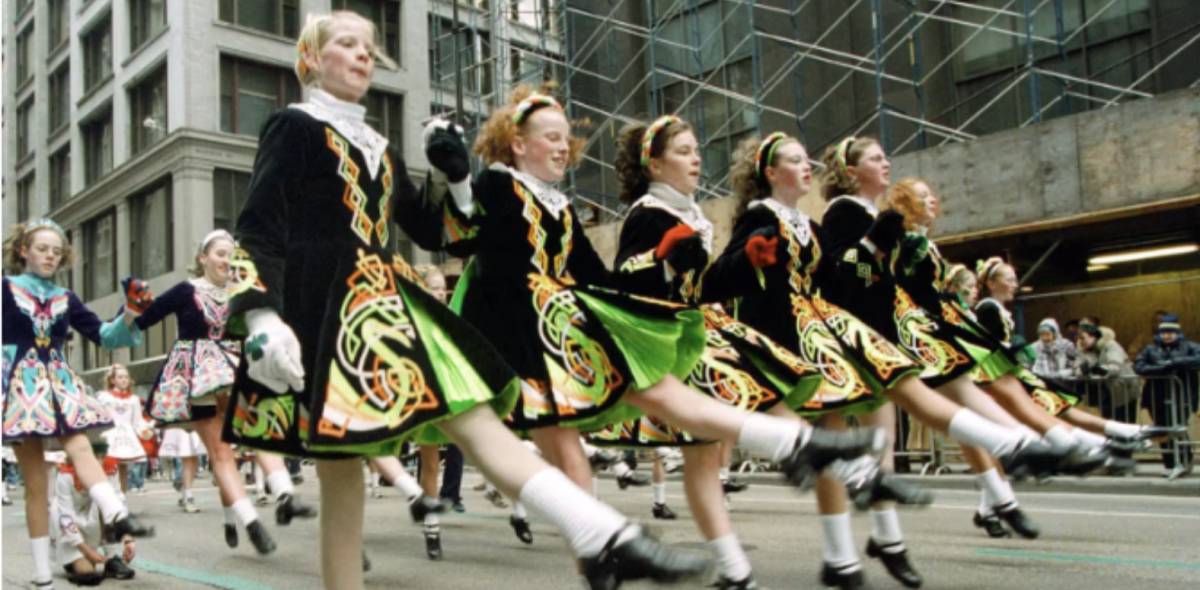
The first ‘parade’ celebrated in the United States was on March 17, 1762. Homesick Irish soldiers marched throughout New York to honor the Irish patron saint. Popularity grew from this act and spread to many other early cities, such as Chicago and Boston.
Decades later, the celebration and honoring of Saint Patrick had become so popular that, in 1851, the St. Patrick’s Day parade was officially established in New York City.
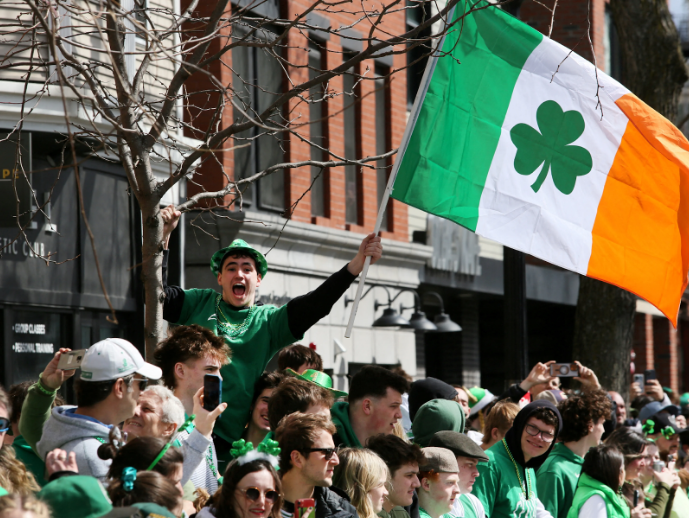
Over the years leading up to today, people have taken up festivities and traditions such as wearing green, decorating with shamrocks, and participating in traditional Irish music and drinking. In today’s world, the festive time has spread to many countries, where some citizens even put up green lights on their businesses or homes to show their participation. People like Charlie Suchecki, a sophomore at Hingham High School, agree with the new traditions by saying, “All I know about St. Patrick’s day is that it is all about green, leprechauns, and having fun with peers. I didn’t realize it had such a history.”
In the end, St. Patrick’s Day can mean many different things, whether it is a religious event or a way to have fun. Proven by Brendan Kerr, who states, “St. Patrick’s day for me is a time of festivity and hanging out with family.”