





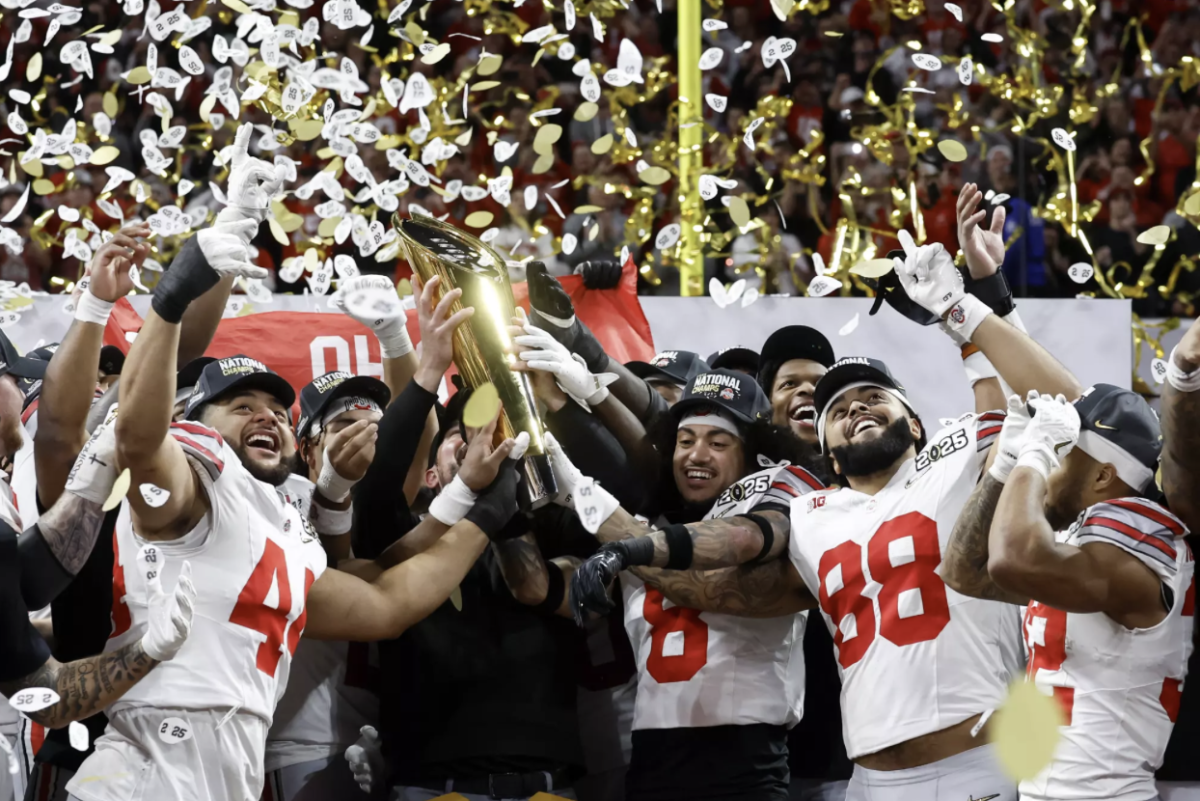
The first domino to fall was the introduction of the transfer portal in 2018. This introduced a database that allows coaches to see and contact any player who wishes to transfer from their current school without the incredibly tedious and paper-heavy process that had been in place. While it still required transferring athletes to sit out a full season after transferring, the portal indicated that broader change may be coming to the college sports landscape.
And so it did. Things went on as per usual for a couple more seasons, and then COVID-19 hit. Seasons were cancelled, games were played in empty venues, and players were increasingly demanding change. Then, in 2021, the NCAA made two drastic changes that went against nearly everything it had previously stood for: the free transfer, and the allowance of players to profit off of their Name, Image, and Likeness (NIL).
These were uncharted waters for both the NCAA and its athletes. While the free transfer was regulated at least, NIL was not. At the time of its introduction, only hockey, baseball, football, and basketball were allowed to use it, and they could only do it once, then they would have to sit out a year like everyone else. Unlimited transfers were not authorized until 2024.
NIL, on the other hand, became problematic the second the floodgates opened. While many athletes did use it for its intended purpose and signed endorsement deals and launched their own products, many players, and more importantly, programs, took it as a suggestion rather than a rule. And for the most part, it was, as the NCAA had almost no power over this anymore. The organization had been ruled against in countless lawsuits and had given up on their previous stance as an amateur organization.
Programs quickly scrambled to form NIL collectives, organizations funded by donors, alumni, and boosters, with the goal of gathering as much money as possible to pay to recruits and current players, with the only regulation being how many people were willing to donate.
COVID also brought change to eligibility: all players who were on a roster in 2021 were given an extra season of eligibility. This, combined with increased medical redshirting and high school reclassing resulted in some athletes playing into their late 20’s.
While the college athletics landscape may seem like the Wild West in today’s world, that’s not to say it’s beyond saving. The recent proposed executive order by the Trump administration shows that there is still an effort into preserving the integrity of the game. It proposes limits on transfers, NIL, and eligibility.
But that’s not to say it’s perfect. The proposed “5-in-5” rule which gives athletes 5 years to compete after they turn 19 or graduate from high school may be problematic, particularly for hockey players. Currently, hockey has an exemption from the normal eligibility rules, which gives recruits until they turn 21 to enroll. This proposal would turn not just college hockey on its head, but also junior hockey.
“I don’t like the proposal. It’s not fair to athletes to allow enrollment at twenty-one and then all of a sudden cut it to nineteen,” said HHS student and hockey player John Walsh. Fellow student Sean Christofferson disagrees, saying “I think the new rules will help prevent future athletes abusing the system like they do now.”
While there has been motion for change among the NCAA and its athletes, only time will tell if it comes to fruition.