























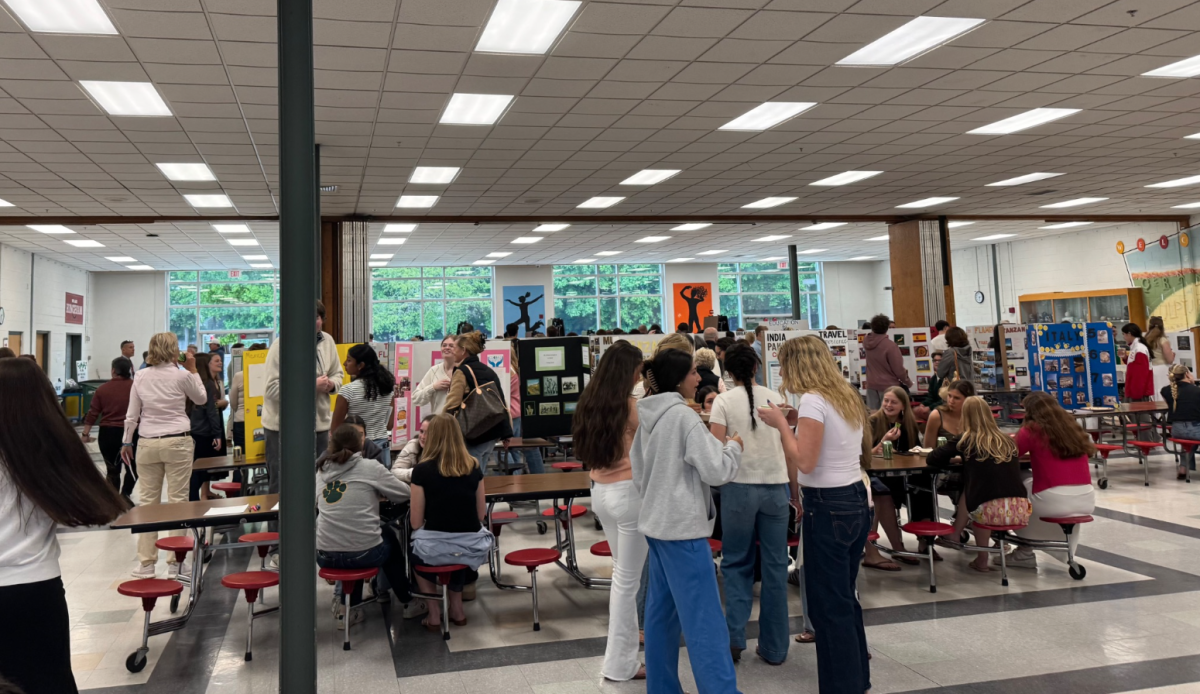
Last week marked the end of HHS’ flex block pilot period, a 2-week interval where the entire school tried a new schedule with 2 “flex blocks” per week, on Tuesdays and Thursdays.
Flex blocks are similar to study halls, except students have more freedom to schedule time with teachers through the flex learning website. Despite the trial being a success, students have mixed opinions on whether the school should implement the flex block schedule in the future.
I firmly believe Hingham High should keep the flex block schedule due to the versatility and flexibility (no pun intended) it adds to students’ schedules.
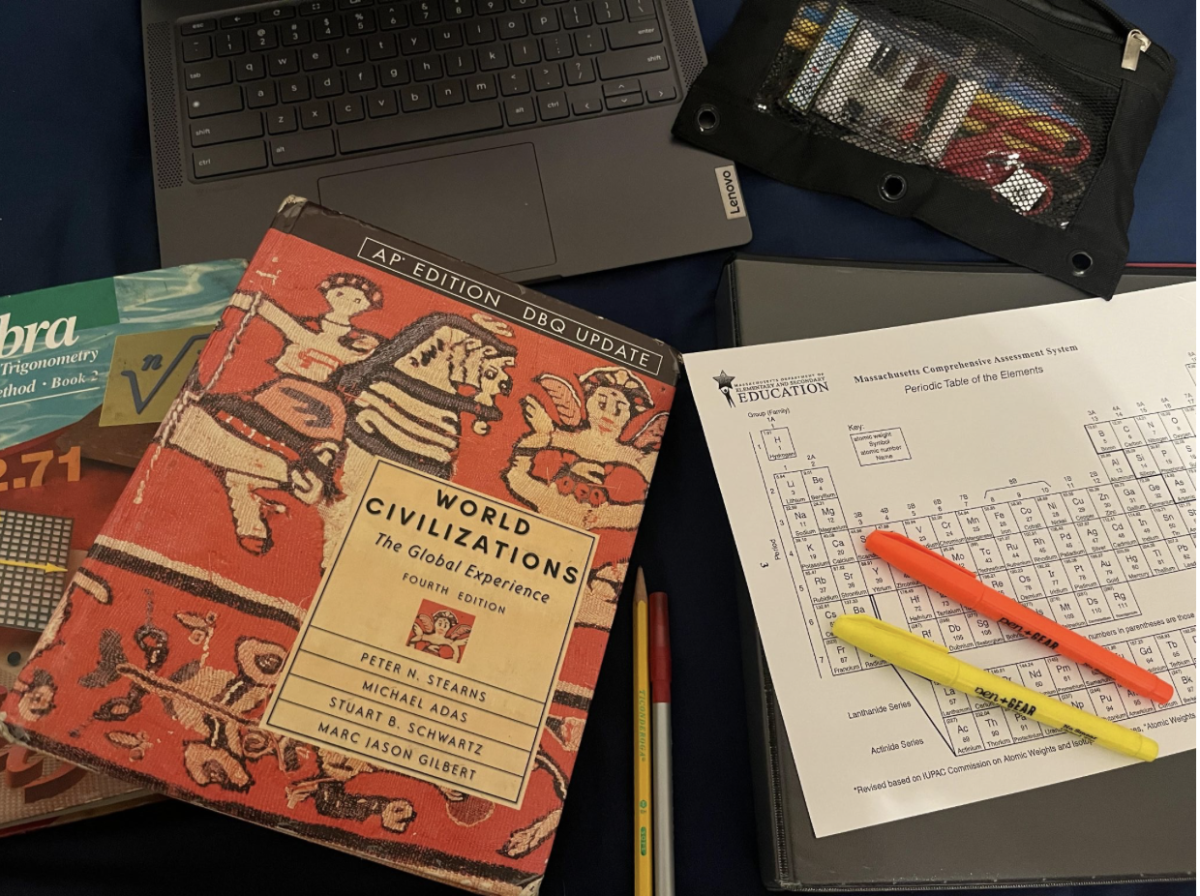
Although study hall is one of the most popular electives to take, many students can’t fit one into their schedule, causing homework to pile up since they can’t knock any out during school. For those students, flex block can be an opportunity to reduce workload.
Student Musashi Cheek claims that “in the flex block trial, my test grades went up because I could meet with teachers and I had more time to study at home!”
Furthermore, extracurricular activities and clubs can interfere with the ability to meet with teachers and get extra help. Flex block allows for scheduled time with teachers for extra help as well as make-up quizzes and tests.
It also frees up opportunities for clubs to meet during school, making them more accessible and allowing them to grow and become bigger parts of the community.
One gripe that many opponents of flex block have is that if it is introduced, the school would stop offering study halls. Although this is a valid concern, it would force students to take more electives and discover new activities. School should be a place to experiment, and electives are one of the best ways to do that.
Unfortunately, due to the heavy workload that a majority of high school students bear, study halls have become extremely popular throughout every grade. Although flex block isn’t every day like a traditional study hall, twice a week still is a game changer for managing workload.
Another reason for student opposition is due to the timelines of the trial, taking place in one of the most stressful times of the year, specifically for seniors. In contrast, senior James Hamilton notes, “Flex block actually helped me a lot and gave me more time to work on college applications, and I was a lot less stressed in those 2 weeks.” Although flex block does add another dimension to a stressful time, if you use the opportunity to its fullest, it can prove to be helpful and reduce stress.
Flex block won’t make a return this year; however, in coming years it’s a real possibility that HHS will make a full transition to the new schedule, which I believe would benefit the school as a whole and each individual student.