



















During high school, keeping good grades while occupying time with many other activities is heavily emphasized, this creates a need for good habits and scheduling to not fall behind. All throughout middle school and in the first portion of freshman year, I never studied and put the minimum amount of effort into each of my tasks, wanting to constantly move on to something more entertaining. When, in the middle of freshman year, I started getting grades that I did not expect on certain assignments, I finally understood that I had to start trying to motivate myself to do better. The difficult thing is that I had no idea where to start. Hopefully this article will give some people, in similar situations, some ideas on how to stay motivated and try to constantly finish work before the dead of night.
- Environment
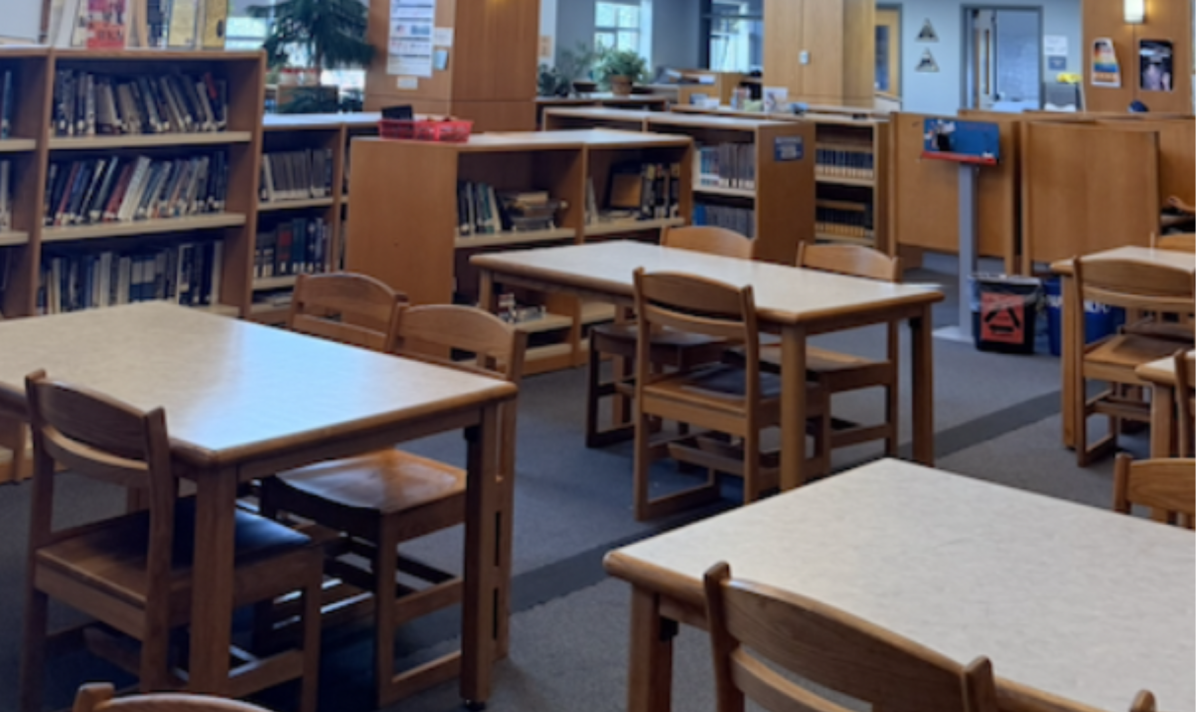
While many factors can affect the duration of time people can study, and how efficient they are, the environment is one of the most prominent factors. Many people have their own designated area to do work, such as a room, kitchen table, or a favorite corner at the library, and once that place is established, that means that the area fits most of your criteria for a perfect study environment.
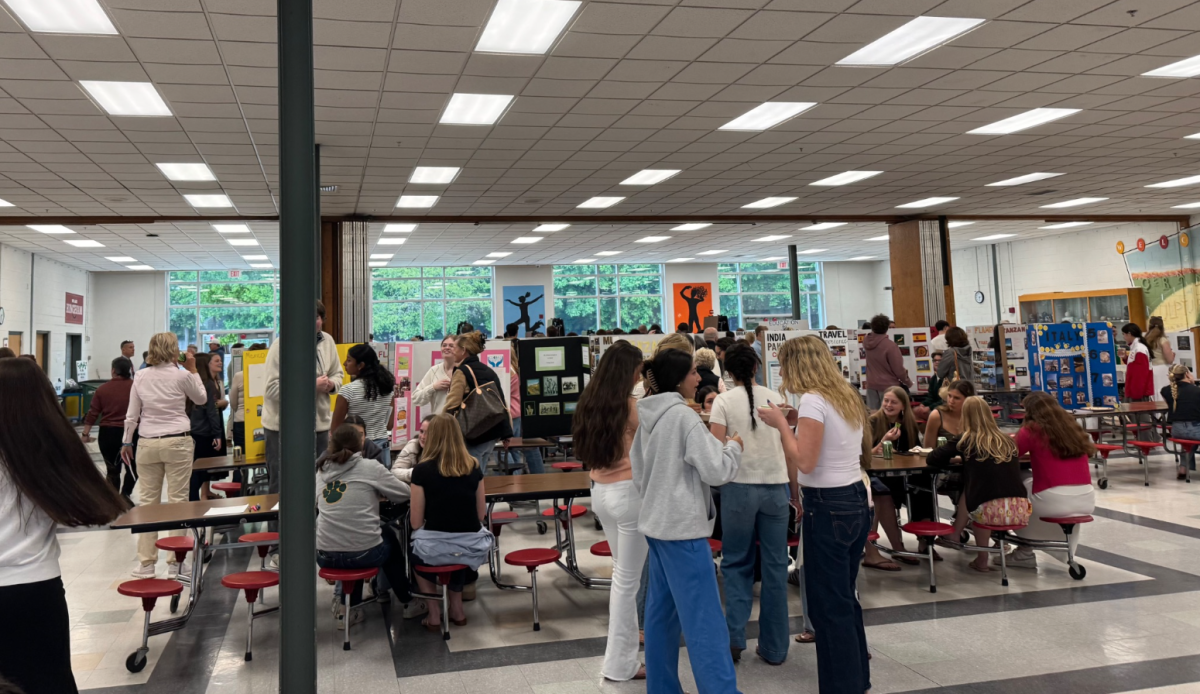
Some criteria for curating an environment can be anything from lighting, the number of people around, to working and sitting surfaces. Usually the safest bet is to work in a place where nobody goes, or there is little interaction with other people, which will help with overall focus. There are a few exceptions to this statement, like when people feel like they can not work without background noise and when every person in a group holds each other accountable.
There are probably quite a few quizzes online to help figure out the best environment suited for a person, but one of the first ones I found was on Naviance. Just sign in with Clever (sign in with Google through Clever), go to “Self-Discovery,” and take the “Learning and Productivity” quiz. This quiz uses questions to predict the best environment and way of working when it comes to sensory aspects, mindset, and environment.
How comfortable you are in a space also affects the quality of work. In public places that are a little less comfortable than a place like a house, it can “force” people to work and not slack off due to the fact that some people do not like the idea of other people knowing they are slacking off. On the contrary, some people work better in comfortable places if they often change poses, move to different places, or want to sit in unconventional ways, like lying down or sitting on the floor.
2. Music
Music is another factor of studying or doing homework that is quite different for every person; some people need complete silence to do work, while others cannot do work without music. The best thing to do is figure out what music is best for each subject or type of work, if you choose to listen to music.
Current freshman Sadie Stone shares her views by stating, “I enjoy studying in a quiet room with no music in the background because it allows me to be with my thoughts and gain as much focus as I can.”
A good idea is to split up music into two groups: instrumental and lyrical. While doing most tasks like reading or writing, which usually correspond with English, foreign language, and history, it can be beneficial to listen to instrumental music. The absence of words and a calm atmosphere makes it so the words being written or read do not contrast with lyrics. For tasks with numbers or equations, which are usually found in math and science, listening to lyrical music will not take away as much focus from work. Some people can multitask, listening to music with constant lyrics and reading or writing, but it is not a common occurrence when people really need to memorize material.
It is important to find what works personally, and while talking to others about their preferences can be helpful, the only way to figure out what type of music is the best is by experimenting.
3. Time Management
On the topic of time management, junior Emma Lee says, “I write down in my agenda the maximum time I would spend on an assignment, so even if I’m ten minutes over or ten minutes under, it makes it so I am not dilly-dallying or spending too much time on one assignment.”
Somewhat connected to the environment, the time and frequency of studying can be important for motivation and focus. One thing to ask yourself is if work is easier during the day or night; if the answer is day, then it will not pose many challenges, as opposed to night. Personally, I work better at night, but it can sometimes cause me to push off work until later in the night than I expected.
It is also important to set a baseline sleep schedule. Some days, with activities or the amount of work, you cannot go to bed and wake up at the same exact time every day, but having a framework can be important. Even though striving to finish work by a certain time can prove to be difficult, going to bed earlier can positively impact the next day. This factor also heavily connects with the “Reward System B” paragraph.
Figuring out how to split up tasks can also be impactful. Some people work better if they do everything at one time, which will stop them from working during short amounts of downtime. When looking at study habits, this one is one of the most important. Doing work during a half hour after work or fifteen minutes before going to practice can lighten the workload later in the day, usually when it is hard to focus. Timers, such as Pomodoro timers, which are timers in shorter intervals, can be beneficial. Saying you are going to work until the timer goes off gives much more motivation than saying you will do “some work”; if strict definitions are set in place, it is easier to hold yourself accountable in times of procrastination.
4. Reward System (A)
An implemented factor that can help with motivation is creating a reward system during the time you are studying. It is all about taking small breaks and having small rewards that can push people to continue their tasks. A good example of this is using some type of snack or activity, where after each task you have some food or take a five-minute break to do something else.
The activities do have to be small and not take up too much focus. One of the gray areas when it comes to a reward is scrolling. A select few can pick up their phones and look at scrollable material for a few minutes, but many people get sucked in. Five minutes quickly turn into five, five turn into ten, and so on. That is why it is important to only choose rewards that have a set amount of time or that you know you can stop at the right time.
5. Reward System (B)
Another system pertaining to rewards is to have something to look forward to after your work is done. Whether it is a show, game, podcast, or book, allotting time after work for a certain activity can motivate people to finish their work earlier.
For me, I started a Netflix show one weekend and realized that the only way I could watch it during the week and get adequate sleep was if I finished my work before a certain time. This show was something I personally quite enjoyed, so I was willing to change my schedule to accommodate it. It also gave me time to unwind before bed and end my day without the stress of unfinished assignments.
While everyone will have their own thing to look forward to and may not find it for a while, if that thing is not already established, making it so the activity can only be done after all of your work is done will give a little bit of light at the end of the tunnel.
6. Order of Tasks
The order of tasks can be influential when it comes to motivation. Either after school or after every task for the night has been given, it is good to prioritize; making a chronological to-do list before doing schoolwork can cut out the decision in moments of boredom or tiredness.
There are many ways to split up priorities, but good aspects to think about are due dates, amount of time it will take to do the task, if the task is practice or graded, and how hard it will be to finish. The tasks with the earlier due dates should always be pushed to the top of the list; if you get tired halfway through your homework and your only option is to sleep, those important tasks will already be finished. While many teachers may disagree, extra practice and studying tasks that are familiar should be in the middle or near the end of the list. I am not saying that studying is not important, but rather that there are always a few more impactful tasks.
Many people have different orders when it comes to doing easier vs. harder tasks. This may not work for everyone, but doing easier tasks first can ease you into doing the work and will make it so the long and difficult task can take up all the rest of the time and can be solely focused on when your time for doing work is coming to an end.
Currently, it is only term one, but in many classes, curricula get quicker, homework piles up, and being behind can lead to many late nights and bad grades. Installing habits at the start of the school year gives people time to adapt them to their own personal style and preference. This is particularly significant in the later years of high school, where people get busier with activities demanding more commitment, jobs, SATs, ACTs, college applications, finals, and everything in between. Nobody is perfect, and there are times when you will be unmotivated and let go of habits for a period of time, but taking the first step and building up a routine will prove to be helpful.