














The news seems to follow us everywhere nowadays, pursuing us relentlessly. Whether you hear it on the radio, read it in a newspaper, watch it on TV, or see it on your phone, in 2026 the happenings of the world are never far from reach.
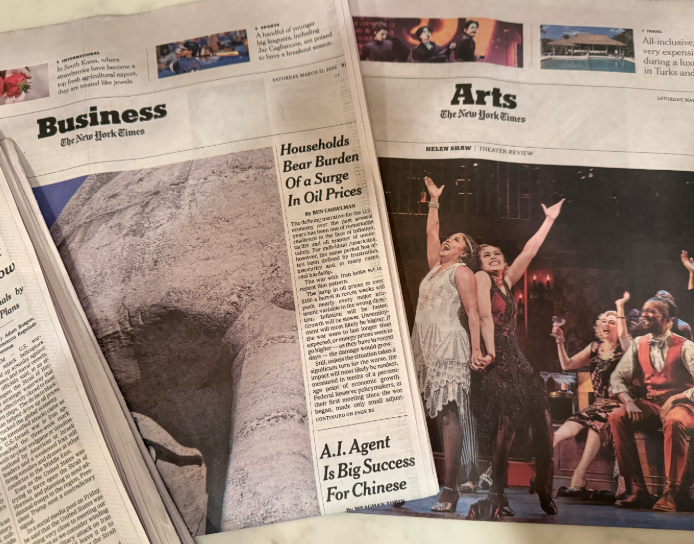
The earliest account of journalism was the Acta Diurna in Ancient Rome, 59 B.C.E. The sheet of news served as a way to record important speeches and report on major events. Regularly published newspapers began to emerge across Europe during the 17th century, and the 18th century only furthered this development through the creation of steam and electric powered printing presses because of the Industrial Revolution.
As news reporting began to exponentially grow in popularity, it spread across mediums. News began to be broadcasted on radios in the 1920s, and on television in the 1940s. Thanks to the technological development of iphones, most everyone in America has access to news reports on their phones across countless websites and media organizations, all trying to offer an accurate view of significant global, national and local events.
Journalism itself is the art of sharing information and facts to the public while maintaining an accurate and objective perspective. It is commonly called “the fourth pillar of the state” in America because of its importance to communities.
Various forms of journalism across mediums are vital to society’s interpretation of the world around them, allowing for cultures to prosper with education. When people stay informed about the news, they can make well informed, important decisions about their lives based on how these events affect them.
Journalism allows for communities to stay informed about crucial topics such as politics, economics, medicine, and education. HHS sophomore Rex Chen says, “I think being informed about the world is extremely important, and reading good journalism helps me accomplish that goal.” Every citizen has a right to know the truth about the happenings of their government, and journalism provides a window into that world.
Being a journalist and having to deliver this truth can be a hard but rewarding task. In the previously mentioned opinionated landscape of the internet, a nation of citizens will never be unanimously happy about the outcome of a business deal, political decision, or sports game. Journalists often come under scrutiny simply because they report outcomes that certain groups of people don’t appreciate, reporting the truth at the cost of their reputation.
Journalists also often work under time constraints. Newspapers published on certain days of the week require tight deadlines that can become even tighter if major stories drop a day or two before the edition is published. HHS sophomore Ben Ferguson believes that, “While the job is definitely hard, journalists are super important to the foundation of society.”
I interviewed Boston Globe baseball columnist Peter Abraham about his thoughts on the importance of journalism to further understand the relevance of this topic.When I asked him why staying informed about local, national, and global news is so important, Abraham said “An informed citizen is a better citizen, whether that’s on local issues or national ones. An independent press was a foundational value in the Constitution for a reason. People have a right to hear from those in the government who make decisions and that is via the press.”
I asked Abraham what, in his opinion, defined truly good journalism. He shared that “For me, that’s being where the news is made and talking to the people who make it. As a reporter with the Globe, I travel extensively to bring people news on the stories I cover. There is no better way to get the correct story.”
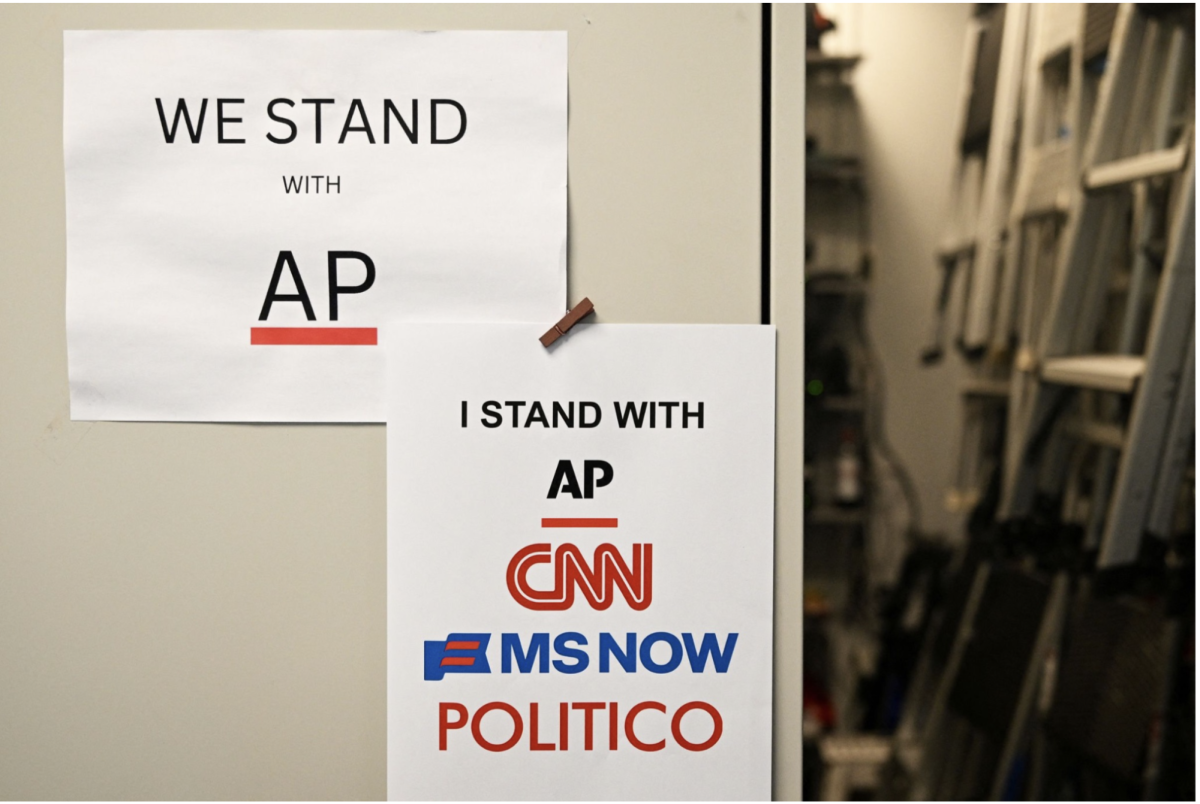
Since Mr. Abraham has met and interacted with reporters from different countries, I was curious as to how American journalism compared to journalism in other countries and he admitted, “I’ve only lived in the United States, so that’s hard for me to say. But I have met reporters from different places and been told stories about government censorship or restrictions. That is becoming an issue in the United States, specifically with the Pentagon trying to deny access to reporters. But fortunately a judge recently ruled that was illegal.”
In 2026, when there are so many ways to learn about and interpret the news, remaining truthful and objective in journalism has never been at greater importance. Because the spread of news is so easy in the 21st century thanks to the development of the internet, sharing your opinion on subjects has never been easier.
While forming opinions about news is crucial for making informed decisions, journalists should provide the people with factual news that allows them to form their own opinions and not offer opinionated news that can skew viewpoints. Staying informed about the facts still matters, and journalism will always remain as the relayer of these facts.