




























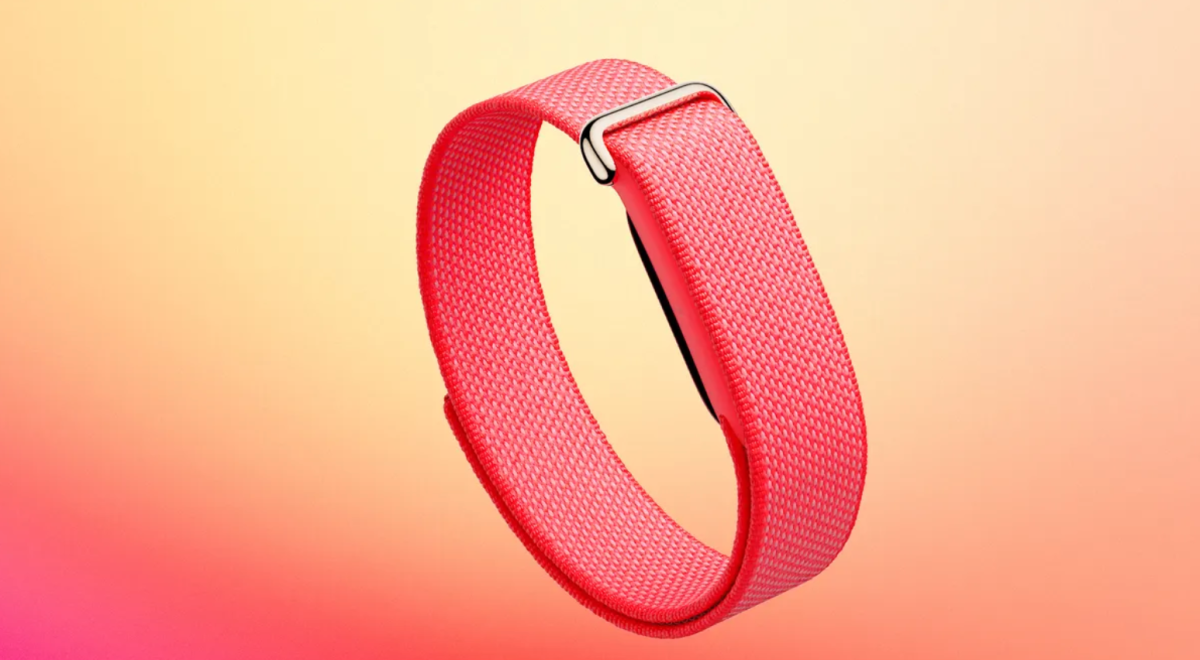
On May 7th, Google introduced its latest piece of hardware: the Fitbit Air. The bracelet-health tracker enters the fitness wearable market as an accessory that automatically measures biometrics such as sleep quality, heart rate, and calories burned. All of this technology is stylishly and discreetly hidden in a slim bracelet silhouette.
Many Hingham High School students are already consumers of this concept, pioneered by Whoop, though there exist notable differences distinguishing the competitors.
Most prominent is the pricing. Whoop operates as a subscription service, starting at $199 annually, with the highest-tier option at $359 a year. Here, the Fitbit Air outcompetes, as just a one-time $99 purchase.
Optionally, Google’s premium subscription, which provides an AI-powered Health Coach, can be added for an additional $99 per year. Taking measured data, reported injuries, and even health records into account, this coach will produce a personalized regimen focused on applying abstract data to achieve real fitness goals.
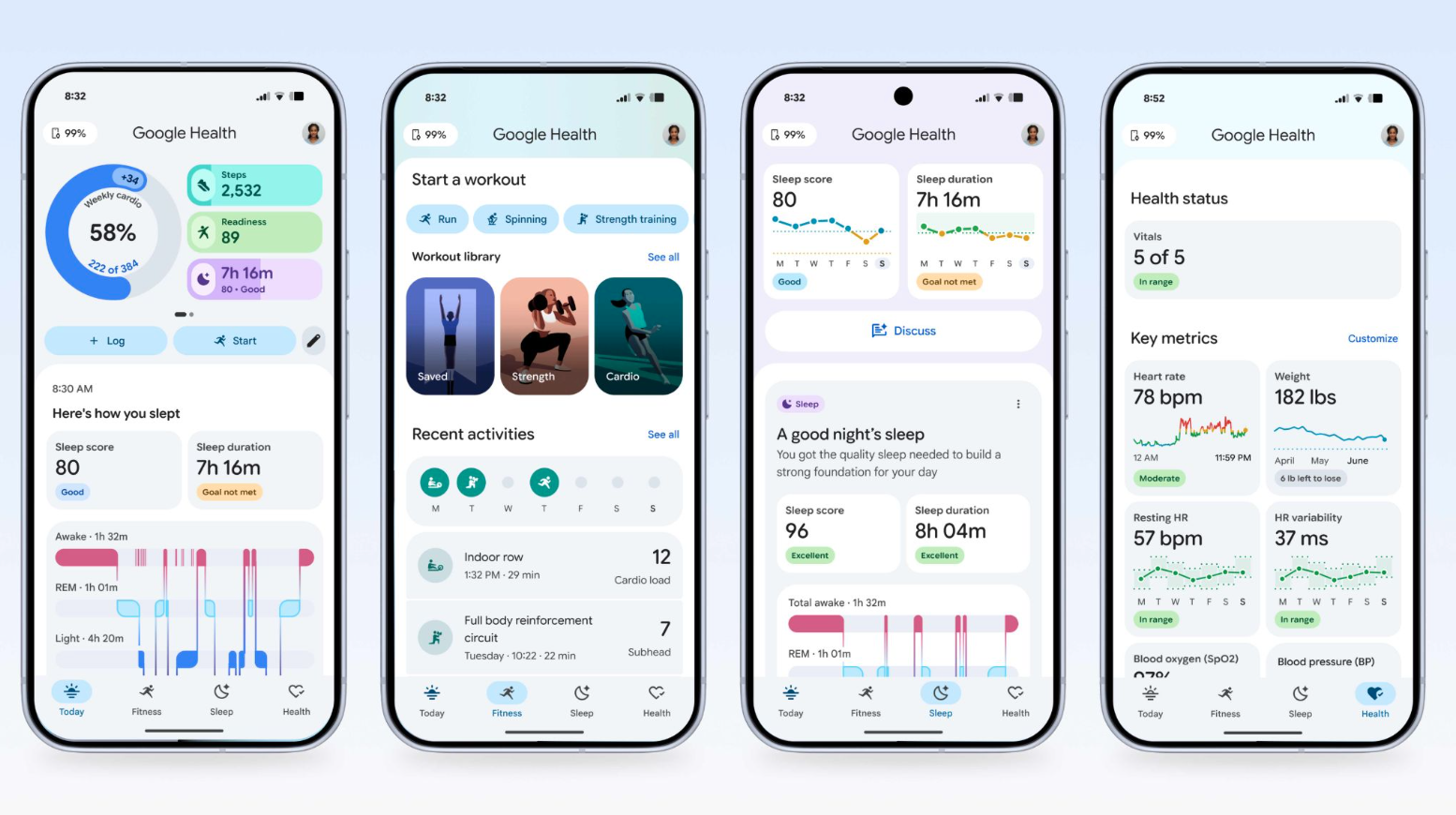
The Fitbit’s lower price point comes with a sacrifice, providing only more general diagnostics for less fitness-oriented consumers. However, for the many HHS student athletes, the more in-depth insights provided by Whoop, such as measurements of strain management, justify the more premium price.
When asked if he would consider switching fitness trackers, student athlete Chase Ross replied, “Don’t touch the Whoop,” supporting the current performance angle of the brand.
The Fitbit also has a slimmer profile than the Whoop, weighing just 12 grams compared to 26.5, an improvement that proponents boast can be both seen and felt.
Other students value this more casual, less costly approach. When asked which of the products he would purchase, junior Jack Darling instead said, “I would pick the Fitbit; purchasing it makes a lot more sense than renting.”
In summary, Google looks to broaden fitness tracking from serious athletes to the casual enthusiast with its new priority on accessibility. The Fitbit Air is set to release to the public on May 26th – hopefully some of you will be among the first to try it!