

























We live in an increasingly digital world and education has been no exception to the shift towards technology. For high school students this means using digital platforms in the standardized testing and college application process. The opportunity for economic gain has not been missed by the companies and “non-profits” that provide digital platforms that schools like HHS rely on.
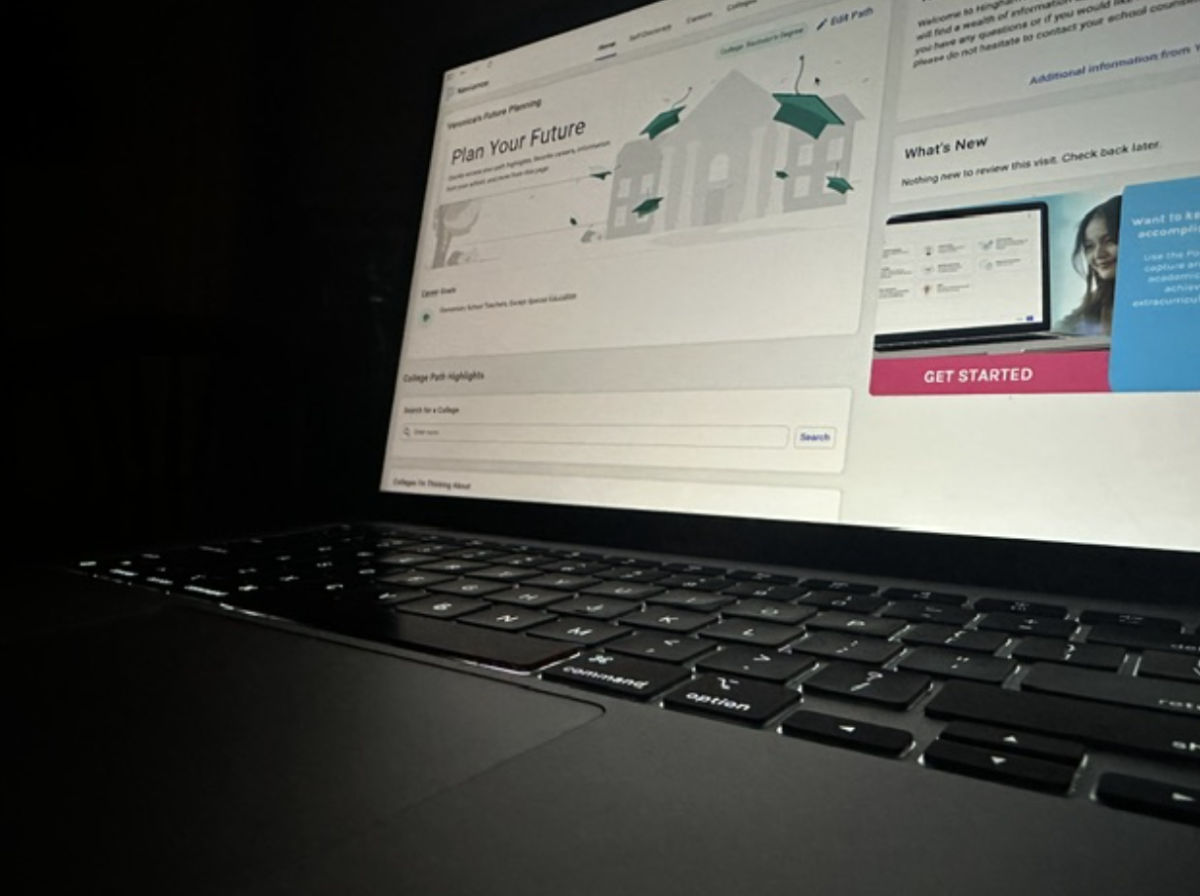
Schools across the country, including Hingham High School use Naviance to track student information and college interest and interaction. Evan Keane ‘26 explains that “Naviance has been helpful to be able to see important information all at once, information about myself but also colleges and universities.”
But the company that is trusted with student information by schools across the country reached a settlement this February in a class action lawsuit by the Chicago’s Board of Education over allegedly sharing student information to third parties, also known as “digital wiretapping”.
HHS junior June Rogan expressed that she was “surprised and concerned to hear that a company that is trusted by the country’s school system could be going against student’s interests and privacy.” June was not alone in this surprise as many students and faculty learned of the case in the more recent wave of publicity surrounding the settlement.
Naviance agreed to pay a settlement fee to users who may be victims of the alleged violation but the company continues to maintain that the allegations are false. Nevertheless, the damage to the trust in these digital platforms has been done. “This case calls into question how much these digital platforms can be relied on to prioritize student interests” says June Rogan.
Aside from Naviance, HHS and thousands of other schools rely on platforms like the CollegeBoard, which has a monopoly on AP exams, SATs and much of the college application process. But the lawsuit against Naviance calls more attention to some of the less trustworthy aspects of CollegeBoard.
Notably, CollegeBoard claims to be a non-profit organization despite generating over one billion dollars annually with its executives earning over one million dollars annually. As a student myself it is hard to view the CollegeBoard as a non-profit organization when it charges students and schools fees for simple and necessary actions like sending test scores to colleges.
The CollegeBoard has positioned itself well with a monopoly on many of the necessary actions of the college application process. It has the ability to play the middle-man, to scalp fees unnecessarily and to dictate the price of standardized testing. Whether CollegeBoard’s pricing is ethical or not, the Naviance lawsuit calls into question the practices of the organizations that are at the heart of education technology.