


























3D medical printers are a new, revolutionary invention that is transforming the modern healthcare world. According to Sybridge Technologies, the creation of the technology was laid by Charles Hull, who had the idea to “use computer-aided design software to create three-dimensional objects.” Since Hull patented the idea in 1984, the technology has evolved substantially over the past four decades. Today, it is reshaping the medical field and helping multiple fields of medicine further progress. It has multiple uses, many of which can be read about below.
Personalized Implants
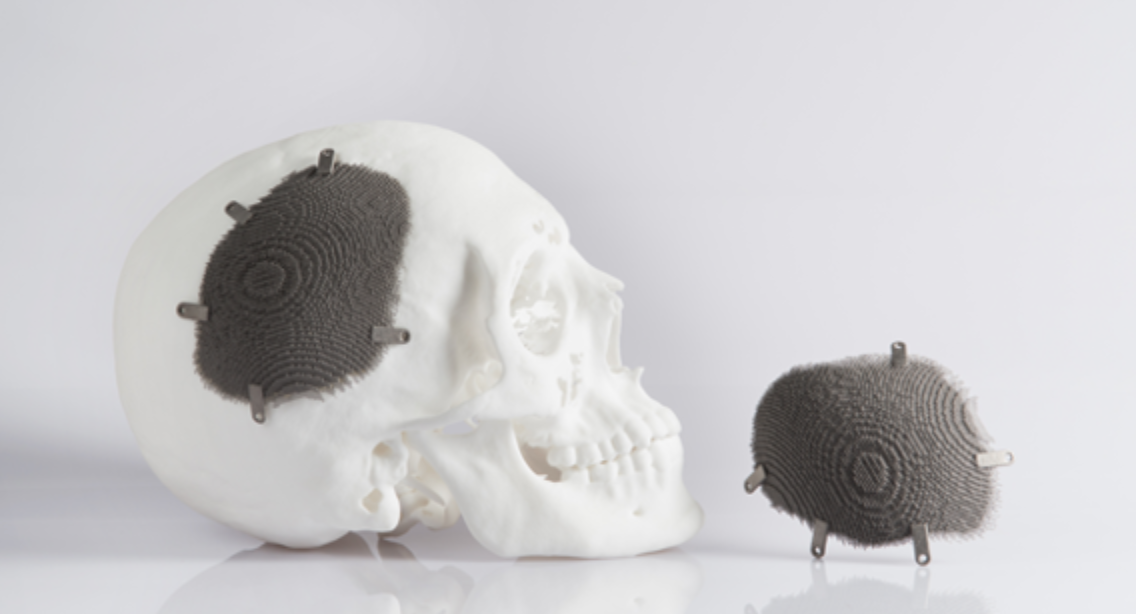
To begin, surgeons are now able to create structures that perfectly mimic a patient’s biology. This is crucial to the medical world because these structures are being used as implants for patients to provide more comfort, and the research will only further develop in the near future. 3D printing has done away with the stereotype in the field of the “one size fits all” implants. Custom scans can now be done to better help each patient for implants, as well as for braces and prosthetics. If interested, you can read more about it here. Sophomore Amelia Byrne, when asked about it, stated, “I don’t know much about 3D medical printing, but as someone interested in medicine, I think that kind of technology could really change lives.”
Educational + Specialized Material
Another massive impact of 3D medical printing is that universities and specific medical programs can create precise models of the body for education as well as pre-surgical planning. Right now, the 3D medical models are being used mainly in orthopedics, which includes the bones, but it has begun to progress to muscle as well, specifically the eye and heart, according to researchers and authors from the Department of Orthopaedic Surgery at Duke University. (you can read more about their research here)
When 3D printing is used in implants, most individuals have found that it is extremely flexible. Although at first, titanium and stainless steel were the first option for implants, PEEK (polyether ether ketone), which is high performance plastics according to Protolabs, is now more common. Even though it is not fully efficient yet, there is hope that one day it can be produced directly in hospitals and implants can be made within days. Dee Sweeney, a sophomore at Hingham High School, has heard about it occasionally and stated, “3D medical printing is very interesting, and I think it could make a lot of advancements in the medical field, especially in surgical planning. I find it really interesting and super cool!”.
Challenges and the Path Ahead
There are downsides that are still to be combatted for this industry. They are extremely expensive as well as take an incredible amount of time to produce. Currently, regular implants also take a long time to produce as well, but in the near future, hopefully, it will be found that the timing of these lowers.
Overall, although it still has a long way to go, 3D printing in the medical field is rising fast and will be used more and more in the coming years. It allows people to feel more comfortable as they now have custom care, and it also creates a world of opportunities for doctors.