

























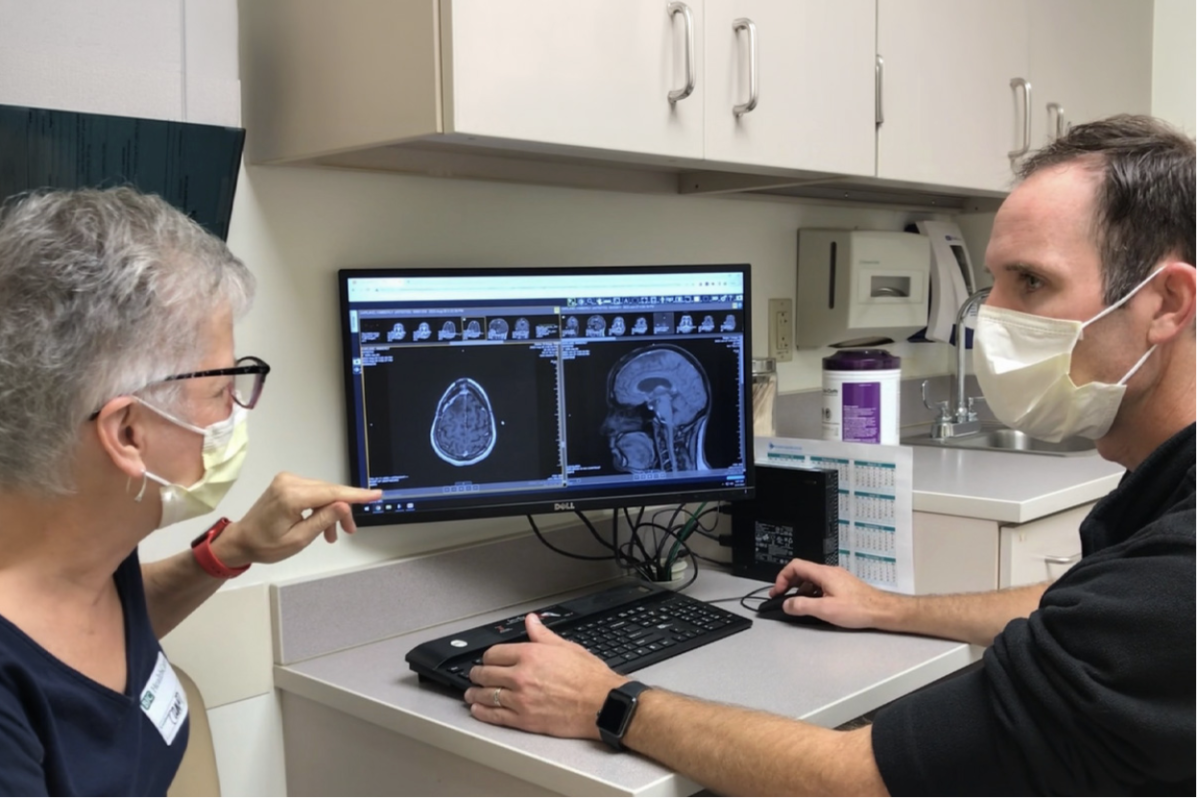
As of May 12th, 2026, results from a new medical trial have shown promise in the fight against a deadly form of brain cancer called glioblastoma.
Glioblastoma is extremely aggressive and grows quickly, making it one of the deadliest types of brain cancer. It develops from glial cells, which typically support the brain’s nerve cells. Because glioblastoma spreads quickly into surrounding brain tissue, it is difficult for surgery to remove it completely. Most patients with this condition only survive about 12 to 18 months after diagnosis, even with treatment such as surgery, radiation, and chemotherapy.
Scientists at Washington University School of Medicine developed a personalized vaccine that helps the immune system recognize and attack tumor cells. Early results from the clinical trial show that the vaccine may slow tumor growth and improve survival rates for patients.
The vaccine differs from traditional vaccines because it is personalized for each patient. Researchers study each individual patient’s tumor and identify the specific proteins called neoantigens. After the neoantigens are identified, they are used to create an individualized vaccine that will aid the immune system in attacking cancer cells.
The results of the early clinical trial showed almost no side effects and strong immune responses. Researchers also found that for patients who used the vaccine, their tumor progressed slower than expected, and some lived longer than predicted. One patient has remained cancer free for five years after undergoing treatment, which is extremely uncommon for glioblastoma. This vaccine holds potential in immunotherapy, a treatment that uses the body’s immune system to fight disease.
Although the results show promise, the trial is still in its early testing stages. The published study was a Phase 1 clinical trial that involved a small group of patients. Larger trials will still need to be held in order to determine the vaccine’s effectiveness for long term treatment.
HHS junior Abbey George stated that “this new medical breakthrough gives me hope for future cancer patients.” Researchers believe that after developing the vaccine further, it could be used to treat other forms of cancer as well.
Glioblastoma remains one of the most difficult types of cancers to treat, but the recent development of a personalized vaccine provides hope for patients. HHS sophomore Ellie Rogers said, “I hope that the vaccine will be further developed in the next phase of the trial.” More testing is necessary, but the clinical trial suggests that immunotherapy may become a successful way to fight cancer in the future.
Sources: https://www.brownhealth.org/be-well/glioblastoma-and-fighting-brain-tumors-new-vaccine
https://medicine.washu.edu/news/personalized-vaccine-shows-promise-against-aggressive-brain-cancer/