













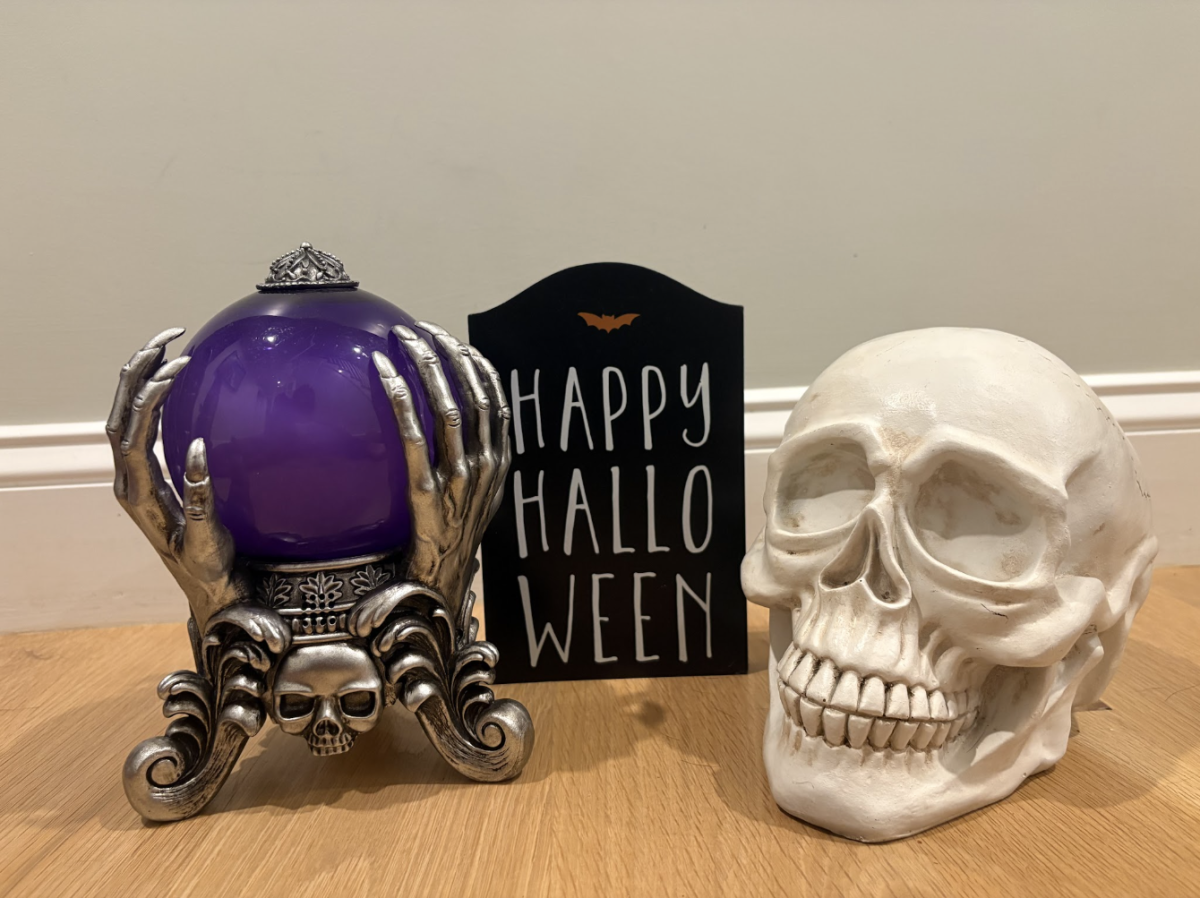











Trick-or-Treating and wearing costumes are highly associated with Halloween, but how did this holiday emerge? The Halloween holiday, previously known as All Hallows Eve, derives from the ancient Celtic festival of Samhain. It’s essential to note that this holiday originated from Pagan traditions, meaning it is not associated with a major religion. During these festivals, people would light bonfires and wear costumes, believing it would scare away any spirits. Additionally, they would honor saints on November 1st. However, nowadays, Halloween is simply a tradition to dress up in a costume, have fun, and get candy!
Jack-o’-Lanterns are heavily associated with Halloween based on a legend about a man named Stingy Jack who would trap the devil and let him go repeatedly, if he promised to let him go to Heaven. Moreover, when he died, he did not go to Heaven nor Hell. He was trapped on Earth as a ghost forever. People eventually began to carve scary faces into turnips to scare away bad spirits. The use of turnip stems from the Devil burning coal into a turnip to light his way.
Christians also began to add to the development of this holiday, where they introduced All Souls’ Day on November 2nd, which stated that any spirits would be able to contact the living. Originally, the Celts believed that during the festival, that is when the spirits would come out. Additionally, the scary costumes became a key part of the celebration because they would scare away the bad spirits from attacking the Celts.
Trick-or-Treating has three major theories. The first theory is that the Celts would leave treats to make the spirits happy at night. People began to take advantage of this and would come out during the night to snag a treat. The second theory is that the treats come from the Scottish would do “souling.” Children and poor adults would take money from homes, and would pray for the dead people on All Souls’ Day. They later incorporated tricks. The third theory is that American Trick-or-Treating comes from “Belsnickel,” a German Christmas tradition where children would dress up in costumes and guess who was under it. Some versions rewarded the children with treats if their identities remained anonymous. While asking the community of HHS their feelings on Trick-or-Treating, Junior Grace Moore says, “I believe Trick-or-Treating is an activity anyone of all ages can do. On Halloween, I personally am not going to Trick-or-Treat, but I will spend time with friends.”
Black cats being a symbol of the Devil comes from the Middle Ages, and left individuals spooked. Senior Tommy Hartnett says, “It is strange that black cats have had a weird association ever since then. I feel as though black cats should be protected during Halloween because it is known to be an unsafe time outside.” During Halloween, deranged individuals would sacrifice black cats to the devil. Witches also owned black cats, which solidified the belief that they were devilish creatures. Ever since then, black cats have been a notorious symbol of Halloween.
Today, Halloween is celebrated as a nonreligious tradition, but to those who are Pagan or Christian, this holiday may hold a larger amount of significance. Time to put on your scary costume and have a happy Halloween!