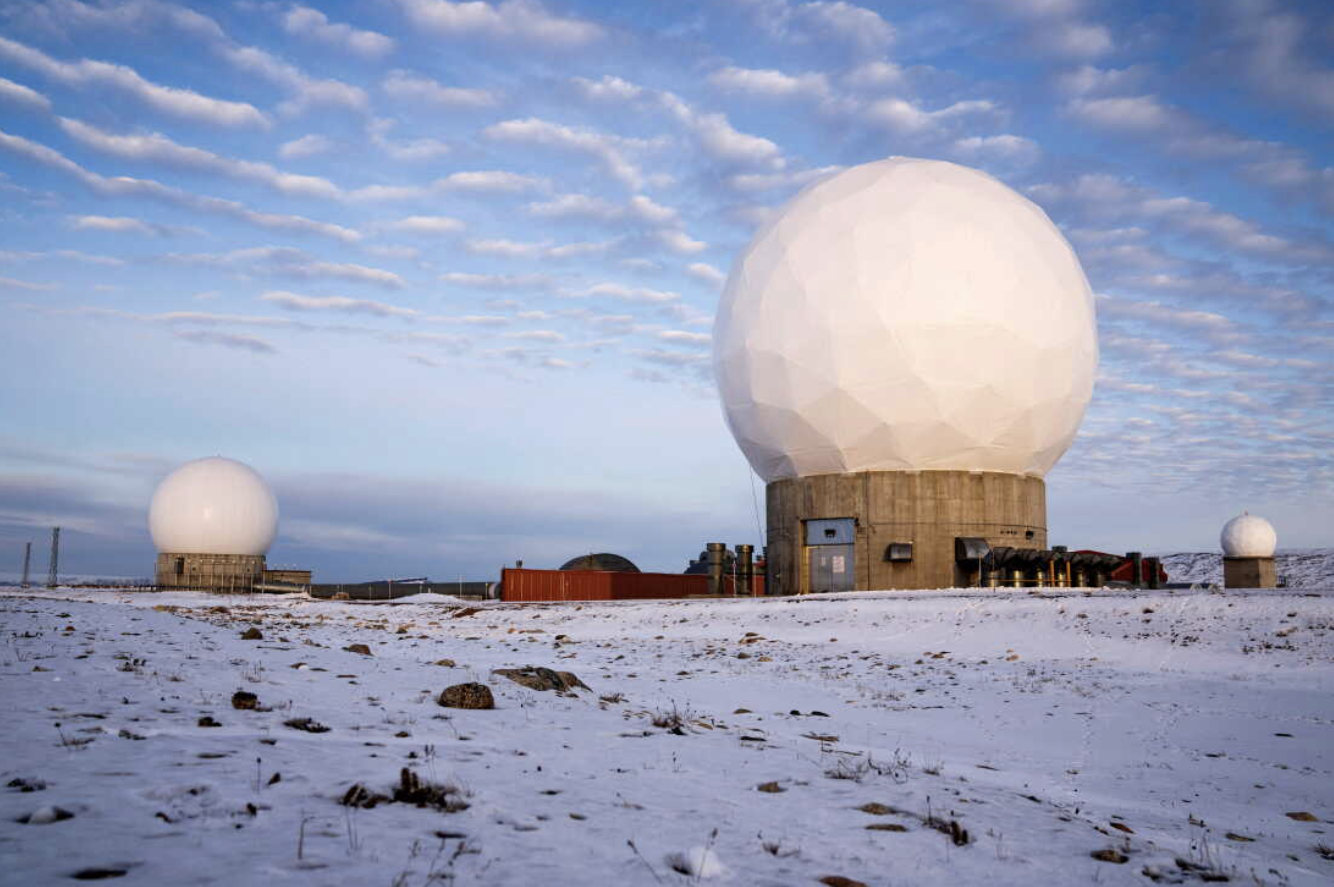
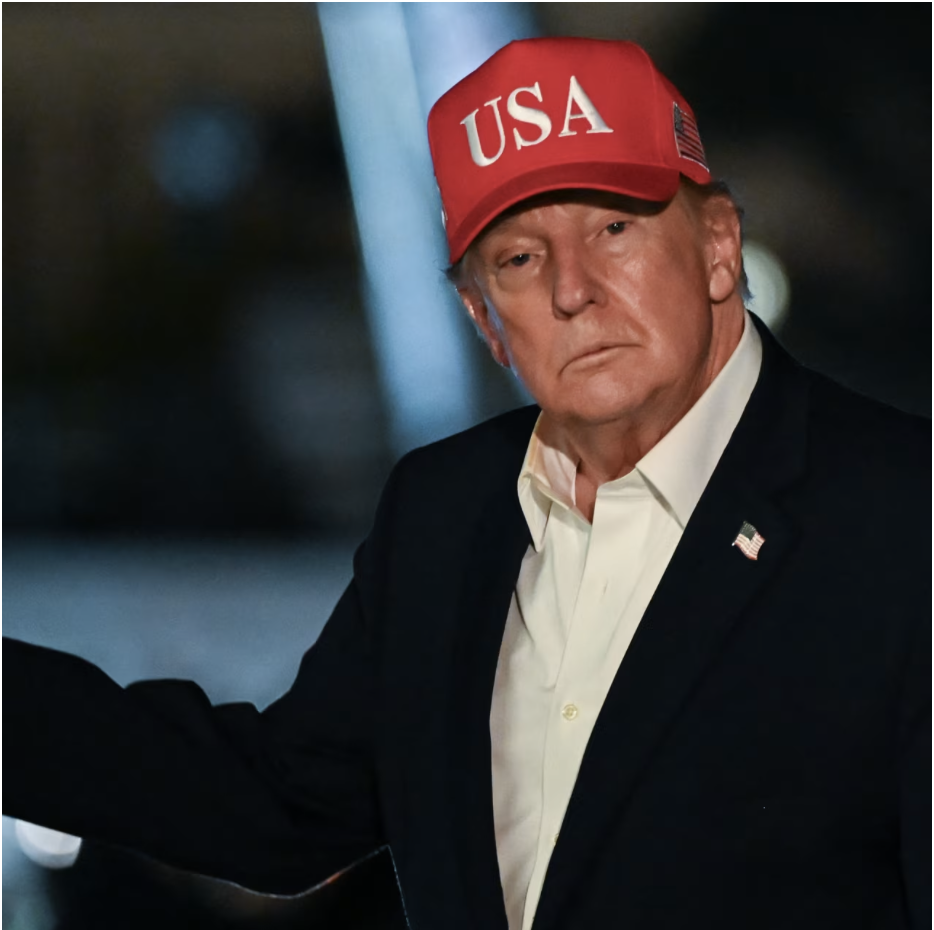

























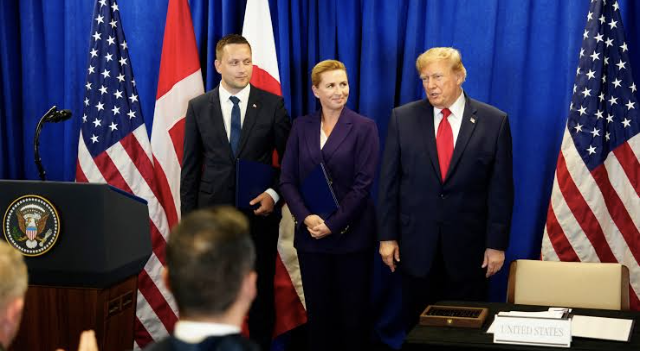
Last week, on September 22, President Donald Trump signed an agreement with Denmark and Greenland that allowed the United States to increase its military presence on the frozen island. This consensus aims at strengthening North Atlantic security, and increasing NATO presence in the arctic. Although the military benefits of such an agreement were advantageous for safety, President Trump’s ability to effectively negotiate with leaders whom he has formerly been at odds with may be crucial for repairing American-European relations that had previously been tarnished.
In the first year of Trump’s second term, he made repeated attempts at acquiring Greenland for the United States. Greenland itself, while an autonomous territory, is still very much in the Kingdom of Denmark. Therefore, President Trump’s goals on absorbing Greenland sparked concern within NATO. Members of the international organization, such as France and Canada, sided with Greenland and Denmark, who did not want the U.S. to annex the territory. From a diplomatic perspective, Denmark, Greenland, and the U.S. all finally coming to an agreement over a military issue is the first step in smoothing over the bumpy road that is the association between the U.S. and the rest of NATO.
“It’s good that Greenland and America have finally started to come together again,” said Luca Arienti, a senior at Hingham High School, “I remember how tense the relationship between the two states had been.”
Politically, the signatories have agreed on a few changes for American military presence on Greenland. The U.S. has been authorized to “modernize and expand” the American military in the territory, moving in more active troops and weapons. The American Navy can operate in the waters surrounding Greenland, and defense zones are allowed to be set up in the southeastern part of the island. The addition of more anti-missile weapons to the arsenal on the island are part of Donald Trump’s “Golden Dome” plan, a mission to create a concrete missile defense system should parties opposing NATO ever launch an attack.
In turn, Greenland’s current sovereignty and Denmark’s possession of the island remains unquestioned, and further, should Greenland ever achieve independence, the accord would remain in place; America would still have active influence in the region. Even though it may seem like the United States may be getting more benefits than it should in this agreement, considering its past interactions with Greenland and Europe particularly under the Trump Administration, most of NATO surprisingly approves of the deal. The United States has the largest military budget in the world, and provides for nearly 60% of the total combined defense spending of all 32 NATO members. Therefore, a stronger grip over the arctic to deter Russia and other adversaries is welcomed with open arms. Junior Nicholas Allallam appreciates the increased influence in Greenland noting that, “I think a major reason why countries have so many weapons is to deter their enemies from attacking, which actually seems to effectively keep the peace. I do think it’s a good idea for America to have increased amounts of active military personnel and ample weapons readily available.
This agreement could be a vital necessity in tying the U.S. closer with the rest of NATO. Good relations as well as an expansive array of weaponry, is what makes up a successful coalition. A strong alliance is needed in order to deter enemies, and it seems like this accord, at least for now, has successfully hit two birds with one stone.