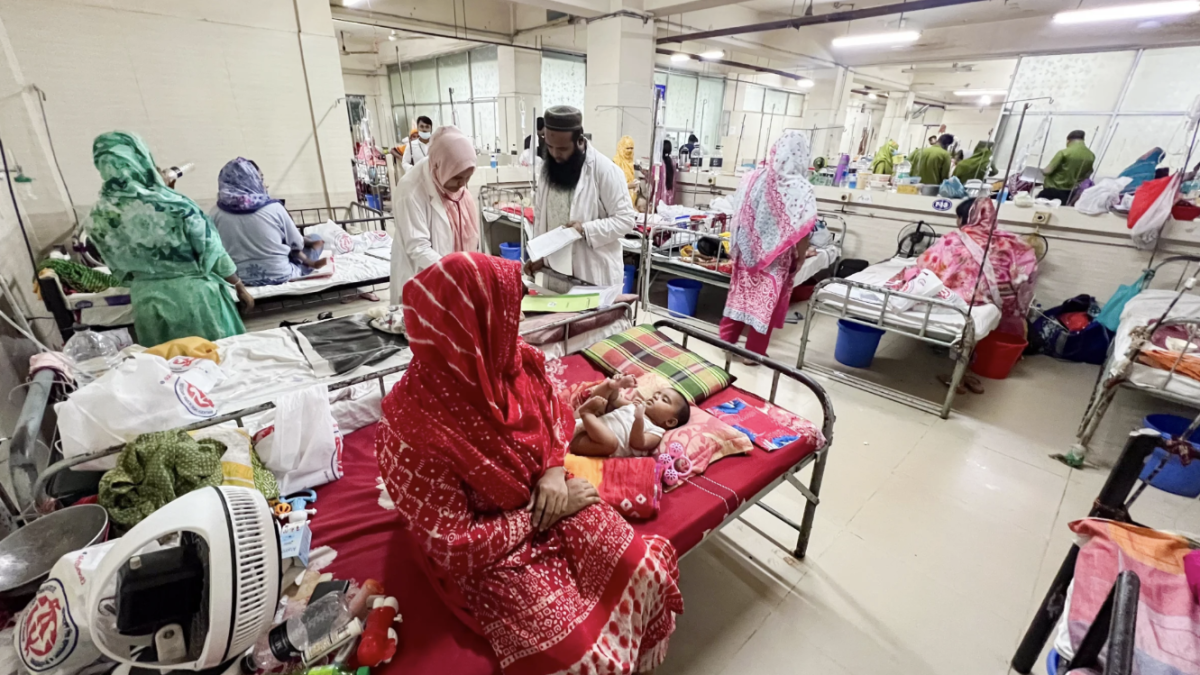



























Bangladesh is facing one of the world’s largest measles outbreaks of 2026, with more than 215,000 suspected cases and over 1,200 confirmed deaths reported since March. The outbreak has particularly affected young children, raising concerns about vaccination access, the country’s healthcare system, and the importance of preventing infectious diseases.
According to reports published on October 21, Bangladesh recorded more than 215,000 suspected measles cases and approximately 23,200 laboratory confirmed cases. Children under five have accounted for the overwhelming majority of reported deaths. These numbers demonstrate how a preventable disease can become a major public health crisis when vaccination efforts fail to reach enough people. After telling Senior Brett Larson these facts, he said “Even though Bangladesh is far away, outbreaks like this show why public health matters everywhere. It’s concerning that a disease that can be prevented with vaccines is still causing so many deaths”.
Measles is a highly contagious, viral disease that spreads through the air, with symptoms that include fever, coughing, a runny nose, and skin rashes. Although many people recover, measles can cause serious complications, including pneumonia and inflammation of the brain. Vaccination is the most effective way to prevent infection and limit the spread of the disease.
One of the major factors contributing to Bangladesh’s outbreak is declining childhood vaccination coverage. According to estimates from the World Health Organization, coverage for the first dose of measles vaccine fell from 96% in 2024 to 90% in 2025. Coverage for the second dose also declined, from 93% to 86%. These gaps left more children vulnerable to infection. Experts have also pointed to disruptions in routine immunization, vaccine supply problems, and difficulties reaching families in rural communities. Political instability and changes to vaccine procurement procedures contributed to interruptions in the country’s vaccination program. In addition, Some children were missed by earlier emergency vaccination campaigns because of inaccurate records and insufficient outreach by healthcare workers. Senior Liam Jordan stated, “I think it’s shocking that so many children are dying from a disease that can largely be prevented through vaccination. It shows how important it is for governments to make healthcare accessible to everyone”.
In response, Bangladesh has launched additional vaccination campaigns to protect children who missed the earlier doses. A nationwide campaign announced in September aimed to reach 3.4 million children who had not been vaccinated. International organizations, including the WHO, have supported efforts to provide vaccines and strengthen immunization programs. However, reaching every child remains a significant challenge.
Bangladesh’s experience offers an important lesson for other countries: Maintaining strong vaccination programs is essential even when a disease appears to be under control. Emergency campaigns can help contain an outbreak, but preventing future crises requires reliable vaccine supplies, accurate health records, and accessible healthcare services.
As Bangladesh continues its vaccination efforts, the country’s ability to reach children who have been missed will be critical to slowing the outbreak. The crisis serves as a reminder that protecting public health requires consistent preparations, effecting coordination, and cooperations between governments and organizations.