






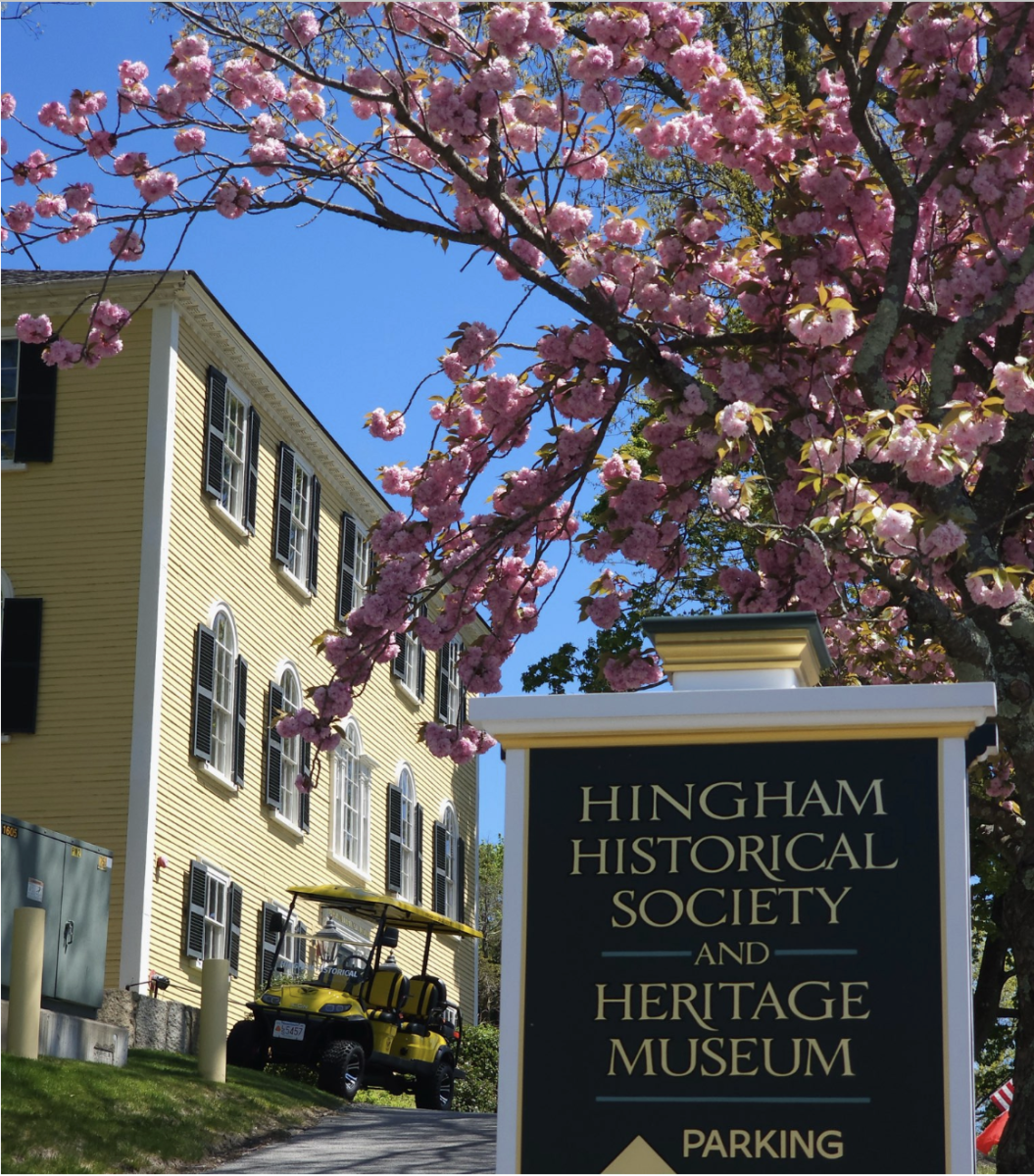
In all of the dozens of classes offered at Hingham High School, one stands out as both the most unique and underrated: taking a small group of students off campus an hour early to a selection of sites, allowing hands-on learning without homework, bookbags, grades, or even Mondays.
Such practices make this G-Block out to be the best course ever conceived, yet this year an all-time low of two students enrolled, so why the disconnect?
The internship appears to be an obscure option among the student body of Hingham High. When asked for his stance on enrolling, Senior Callumn Owen replied, “I suppose it sounds good, but I have never heard of it before.”
In this article, I hope to introduce the Harborlight’s readership to the under-recognized Historical Society Internship, in hopes that more students will take advantage of this opportunity.
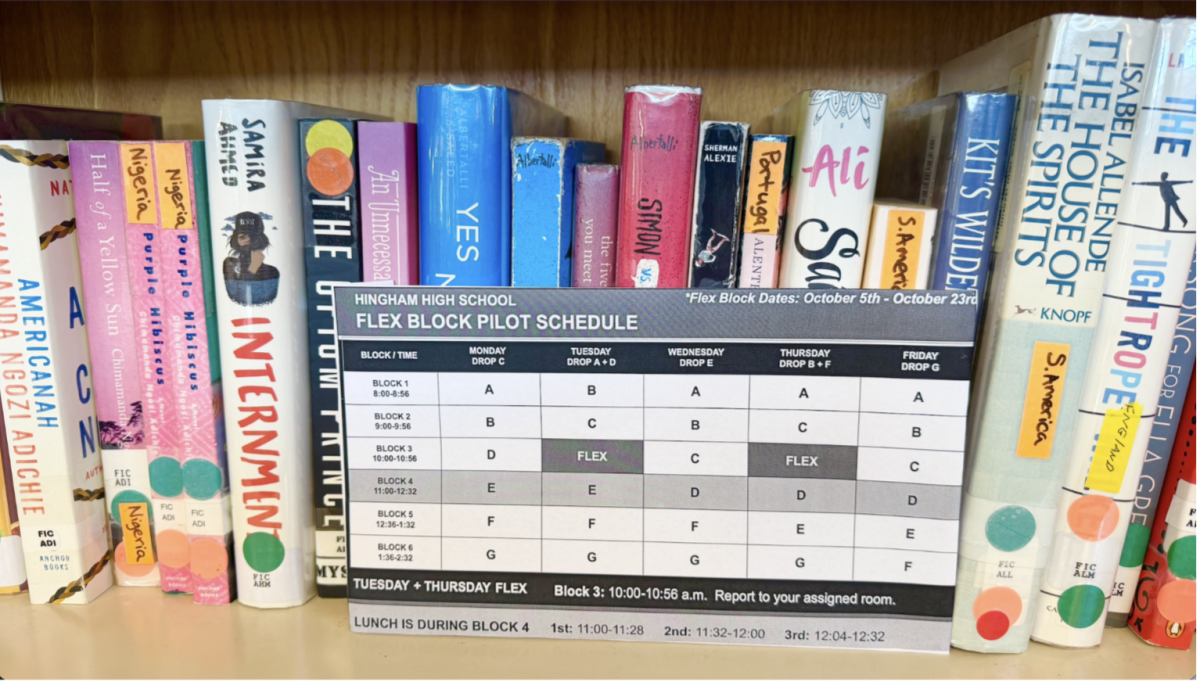
During G Block of semester one, juniors and seniors can intern at the Hingham Historical Society, leaving school at the ending bell of F-Block to arrive at any one of their three properties around town center by 1:45.
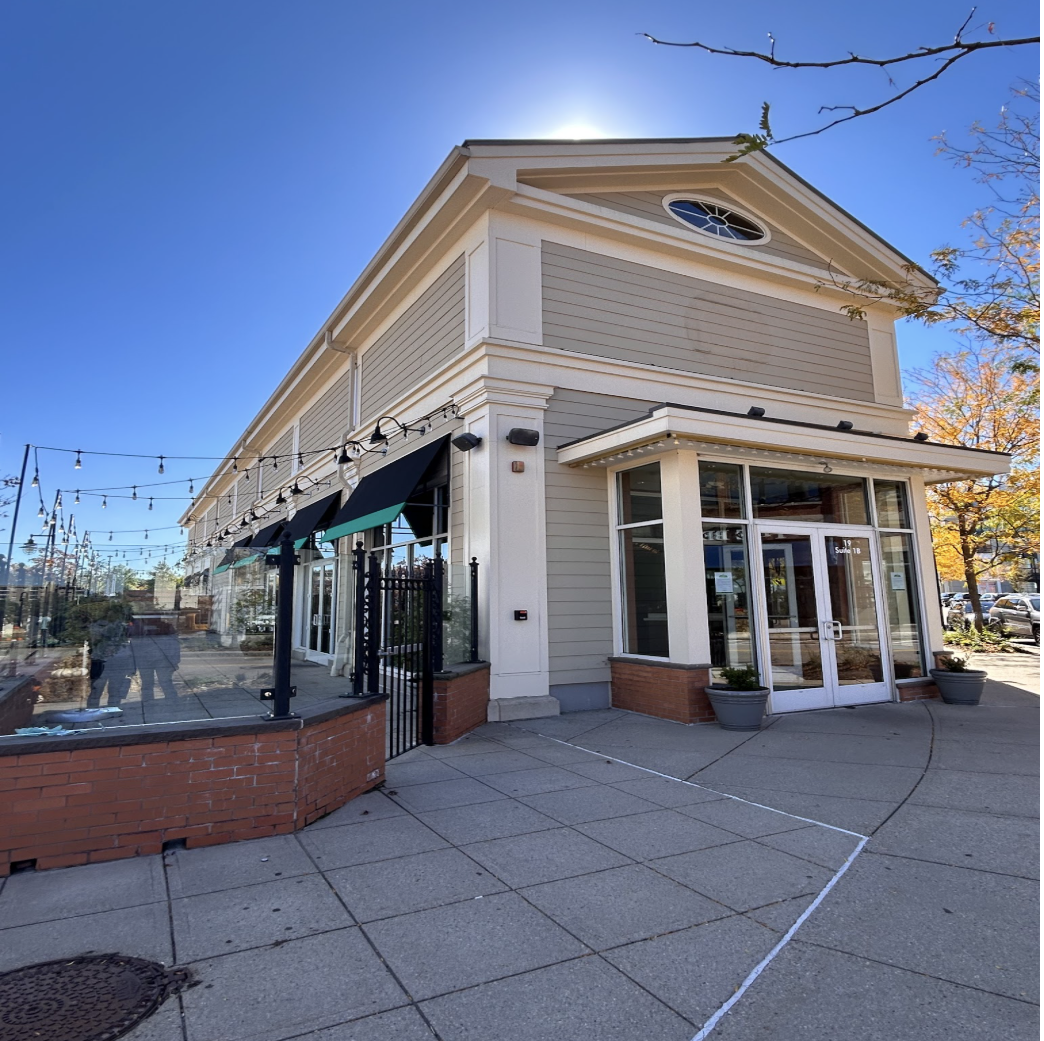
Primary is the Hingham Historical Society (cover photo), where students can expect to spend the majority of their time. This is the headquarters of the establishment, responsible for administrative duties, housing the majority of their artifacts, and providing three stories of exhibits.
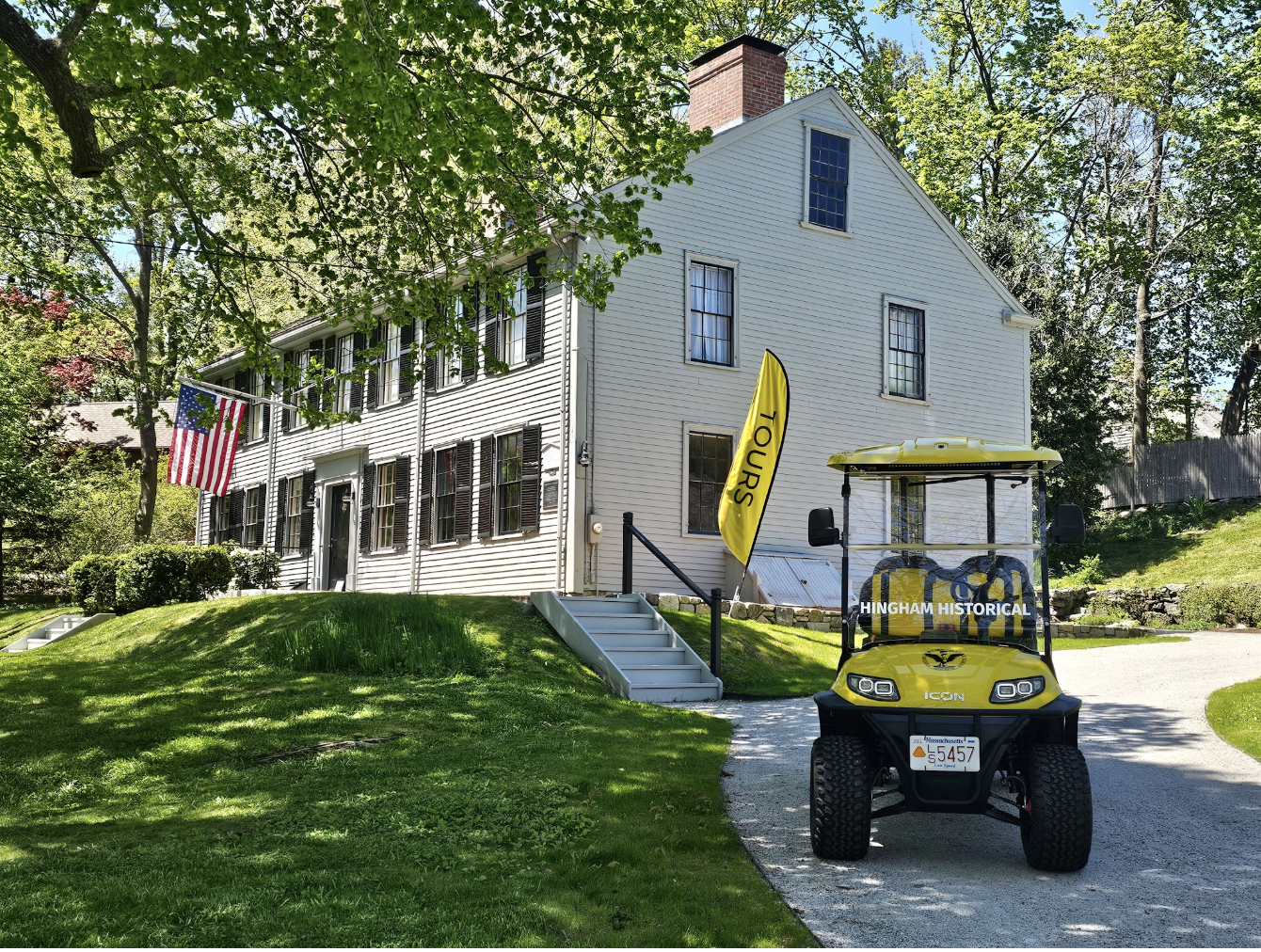
Just on the outskirts of town center, and across from the Abraham Lincoln Statue, is the Benjamin Lincoln House. This is the most recent addition to the Society, having been purchased in 2020. Home to 11 generations of a single lineage over its 350-year history, the house is filled with stories and artifacts, particularly among its most notable inhabitant and namesake, Major General Benjamin Lincoln. Lincoln notably accepted the British surrender in the Revolutionary War.
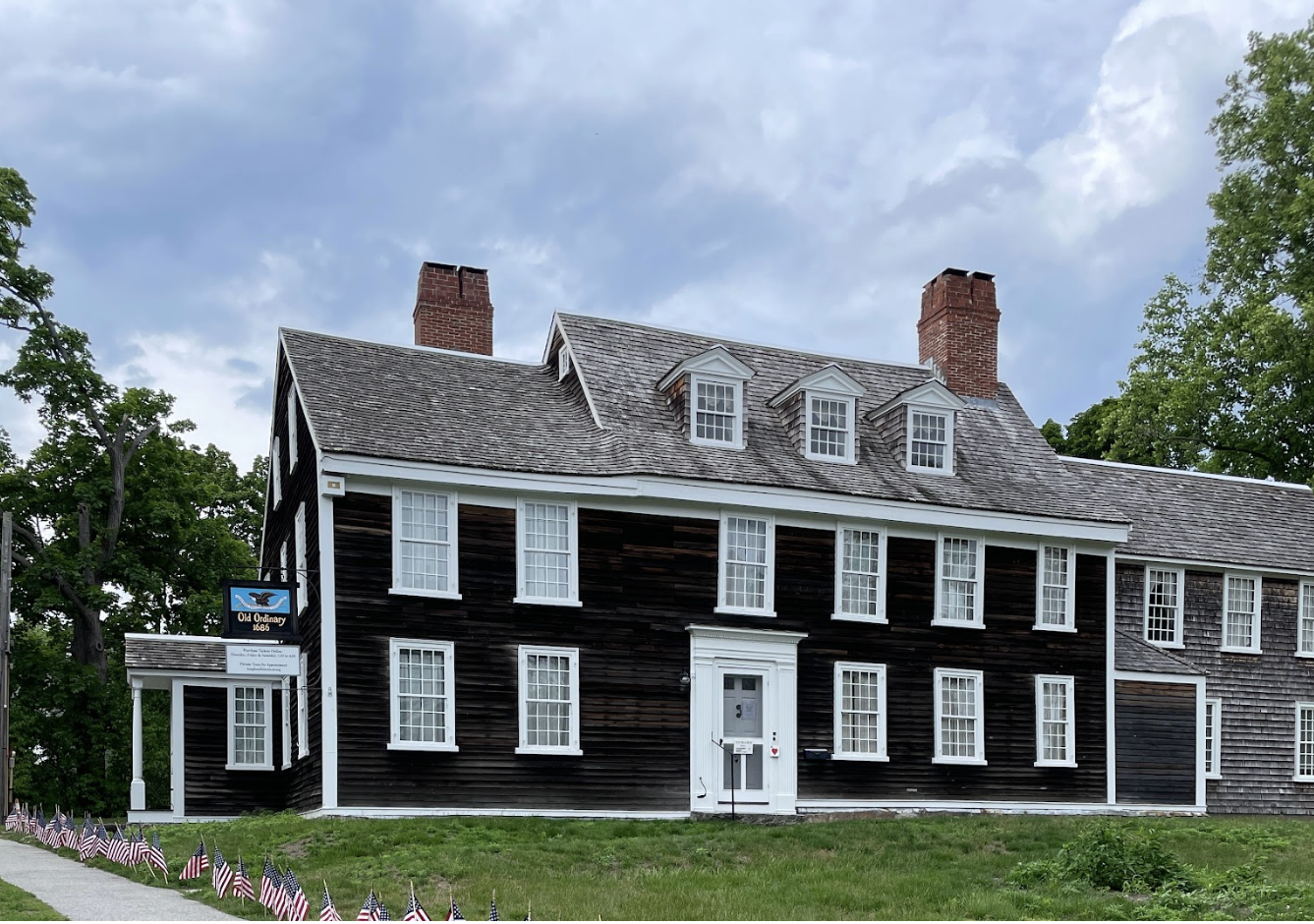
Finally, there is the Old Ordinary, yet another site of Hingham History. Positioned on the main road towards Boston, it accommodated scores of stagecoach travelers for 150 years. Now it remains preserved, with stripped rooms giving visitors a feel of authentic 1686 architecture and way of life.
Museum Educator Victoria McCallion elaborated on how this is accomplished, adding, “Some artifacts exist as faithful recreations, allowing younger visitors a way to engage.”
After an initial week of introduction to such faculty and facilities through tours, students collaborate to form exhibits, manage social media, and assist in any other tasks helping preserve Hingham’s history. For their “final exam”, students will present a reflection of their months’ worth of work to an audience at the Hingham Historical Society, likely realizing their real-world experience in fields such as journalism, technology, history, marketing, and English.
Senior John Doyle provided his perspective, testifying that his first week “Has been a great time. The class has been involving, especially with our great group of guys”
Having completed his full semester, graduate Henry Sellers praised the overall program, mentioning, “It was fun learning outside of the classroom and getting experience with real, local history. At the very least you beat the traffic!”
Being a G-Block class off of the high school campus, students are allowed to return directly home or to any practices upon completion of their work. Considering the suffocating traffic of far and close lots, some consider this escape a major perk.
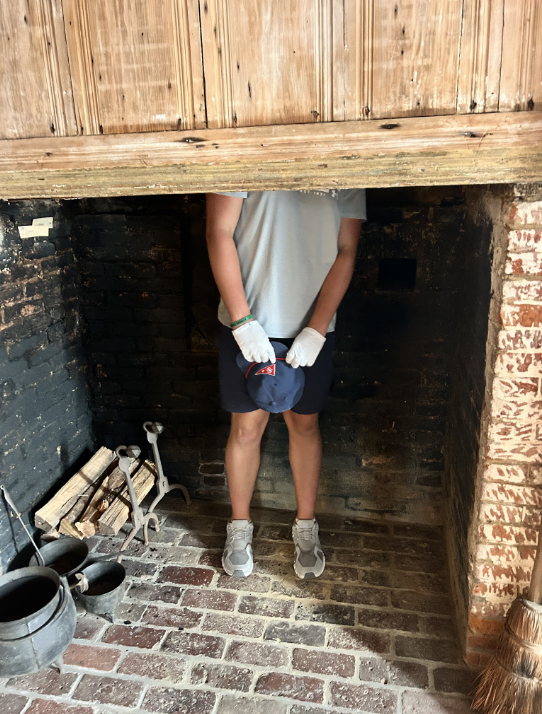
Another enhanced aspect is the education, which is all the more powerful as a hands-on experience. During their internship, students are given the trust to handle artifacts in the institution’s archive, allowing them to directly interact with Hingham history.
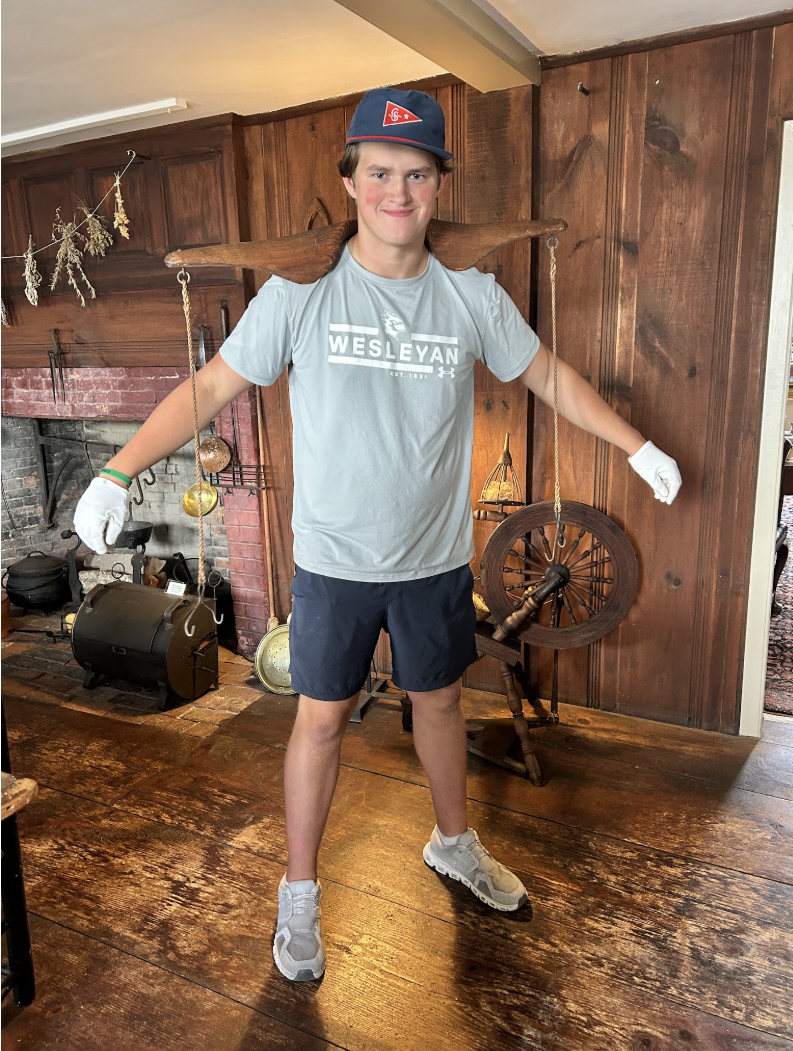
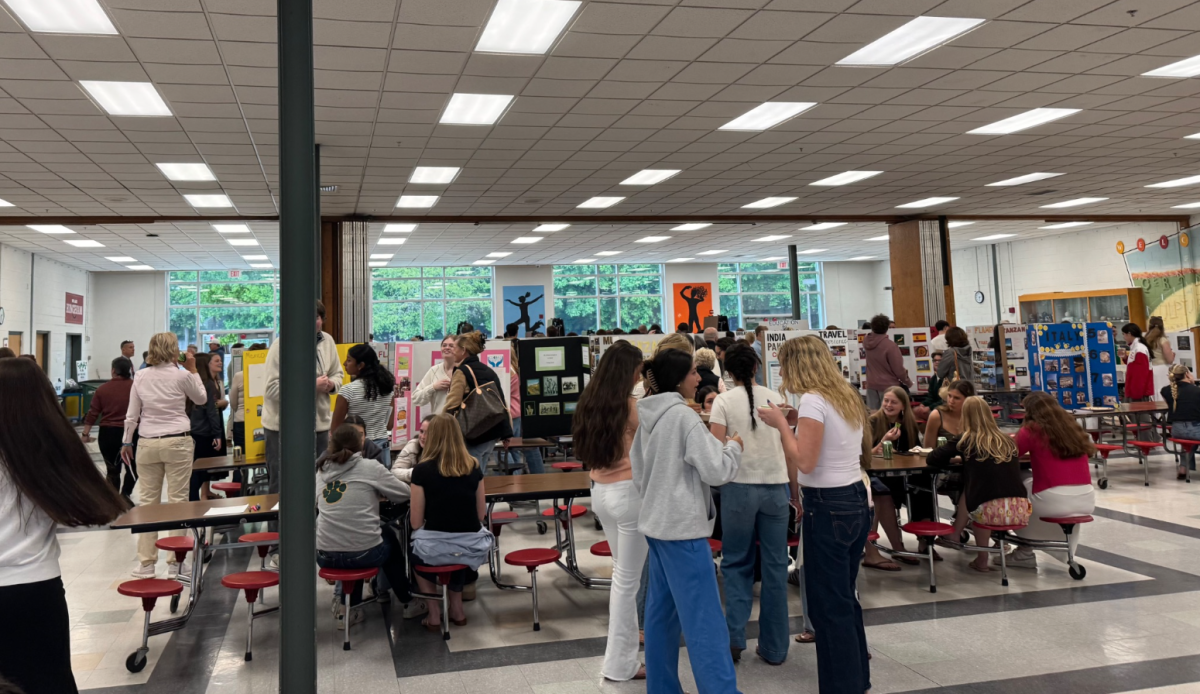
As part of National History Day, all 11th graders take a field trip to the Historical Society’s properties and provide their peers with presentations of different artifacts and exhibits, providing great exposure to the organization’s overall goal: commemorating Hingham’s long and fascinating history. To juniors who took particular pride and interest in the experience, I highly recommend the internship. Any other aspiring historians, I encourage you to contact Mr. Hoey or your guidance counselor to enroll in the program, whether to join now in the fall semester, soon for the spring, or perhaps a future year as upperclassmen.