























Melanoma continues to be one of the most aggressive and dangerous forms of skin cancer, even after constant advancements in surgeries and treatments. Oftentimes, after treatment, this form of cancer can quietly reappear and go unnoticed. Just recently, however, a new approach in the Biotech world was unveiled by Moderna, a U.S. based biology research lab, that can stop this form cancer from returning with significant results.
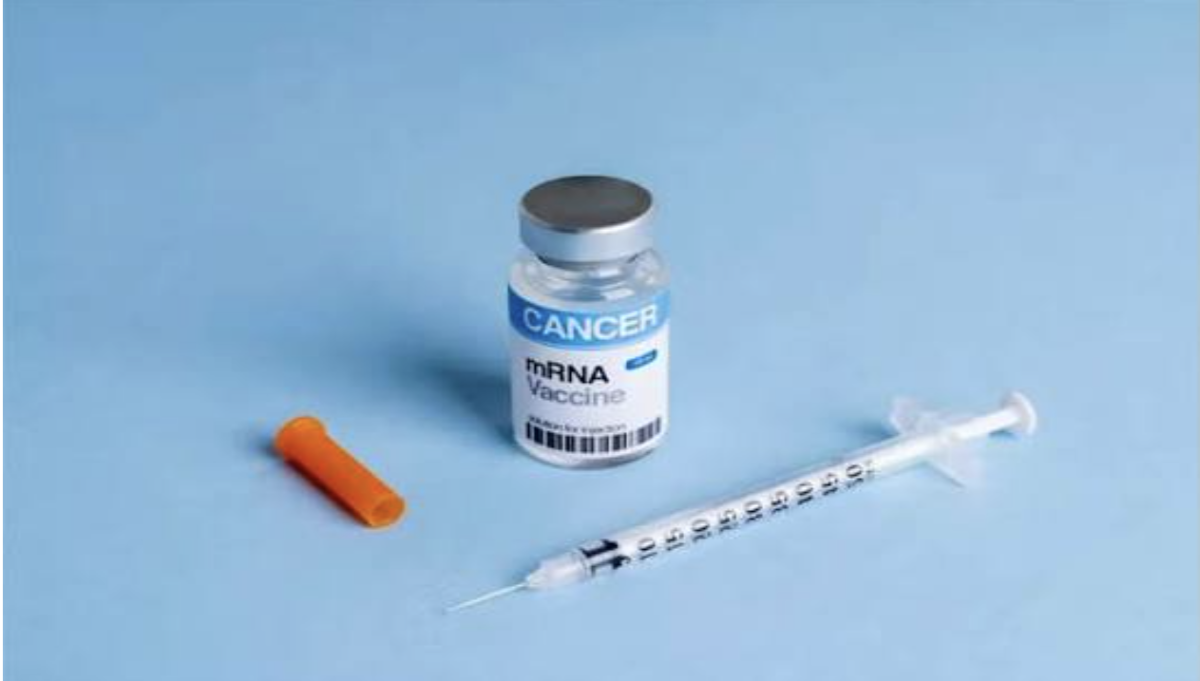
From the same minds behind the Covid-19 vaccine, the new Melanoma vaccine actually uses similar mRNA technology. The approach is a personalized treatment that uses the patients’ tumors to create a unique counter. Rather than the classic universal treatment or drug, this revolution actually creates a personalized treatment with surprisingly successful results.
Researchers take the patient’s tumor and sequence its genetic code, using Bioinformatic algorithms which are computational procedures that analyze complex biological data like DNA, RNA, and proteins, that ultimately isolate specific abnormal proteins on cancer cells. Weeks later an mRNA strand is created which targets these specific abnormalities for the person.
HHS student Chace Burns was asked about his thoughts on this revolutionary technology, who noted that “Biotech is always something I’ve thought about studying in college,” and goes on to say that “This stuff is so interesting and I have no idea how they could come up with something like this.”
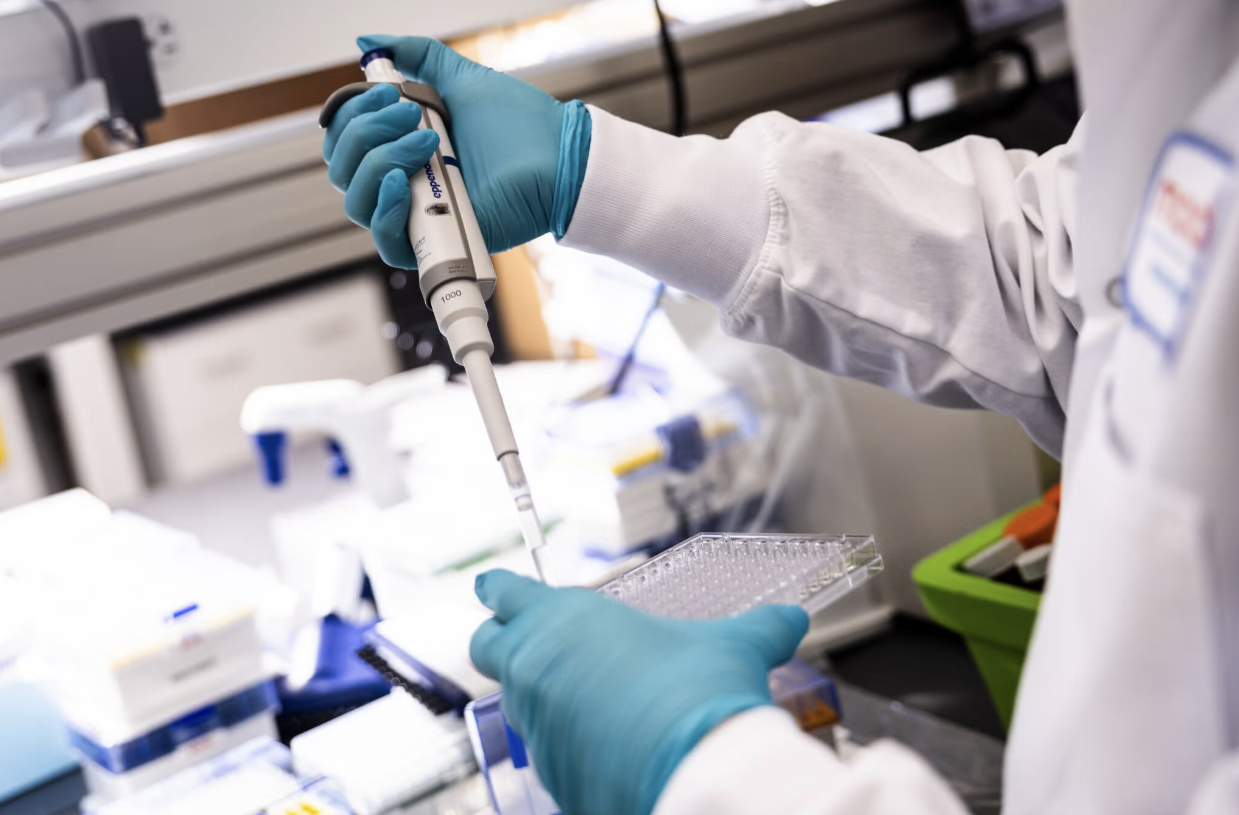
The personalized cancer vaccine from Moderna and Merck is called the Intismeran Autogene (also known as mRNA-4157 or V940). The drug is not yet approved by the FDA and is reportedly still being researched. The drug has demonstrated in a long term trial a 59% reduction in metastasis and death in use alongside other drugs.
In clinical trials the vaccine in combination with Keytruda (another cancer treatment) was shown to dramatically reduce regrowth in cancer cells and stop its spread. Compared to standard treatment, this blows it out the water. Side effects were supposedly far more manageable than those of chemotherapy and other treatments as well.
Specifically, recurrence risk was reduced by 49% compared to baseline current treatments. With these results, it begs the question: Is this new technology the future of cancer treatment and maybe even vaccines as a whole? When asked this question, HHS student Martin Blanch thinks that “It is totally the future. I can definitely see this becoming a huge part of medicine, kind of like getting a flu shot every year.”
For years critics have said that mRNA technology is inefficient and unfit for the future of medicine, but now it is strongly believed to be the opposite. With this new advancement, the industry is rethinking their investments on this technology. mRNA treatments have been proven to successfully work towards the seemingly impossible goal of a cancer cure. Now it can easily be said that this could very well be a bright new future for Biotech.