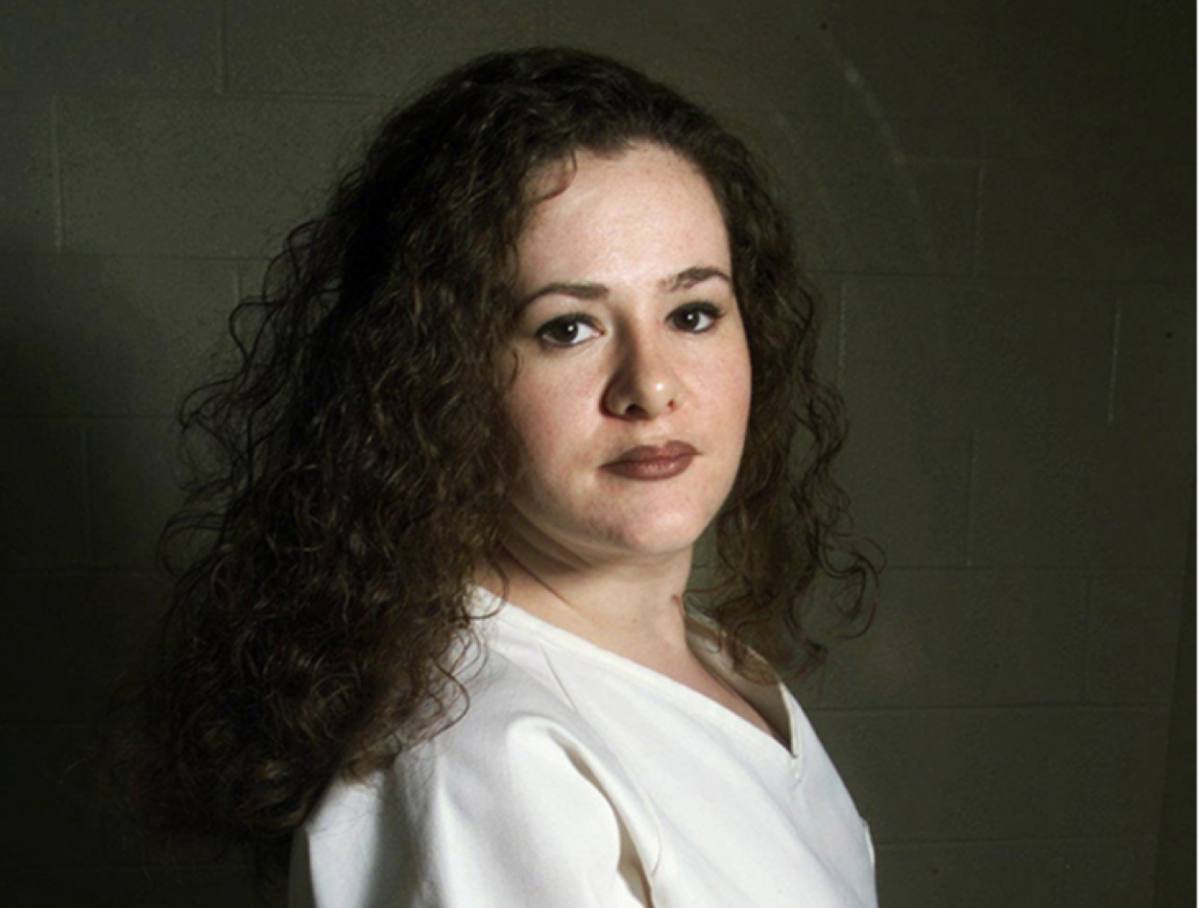



















Last week, Secretary of War Pete Hegseth declared that the execution via firing squad of Nidal Hasan, a former U.S. Army major who killed 13 unarmed U.S. troops at a facility in Texas in 2009, would be livestreamed. After releasing this statement, however, there was immediate backlash from both major political parties and from the international community.
Hegseth’s original intent was to demonstrate to the country that there are “serious consequences for these types of things” and to discourage another similar tragic event from happening. If the orders had been carried out, it would have been the first public execution in the United States in well over a century, as well as the first military execution in 60 years.
Right from the start, there were several issues with this plan. The United Nations prohibits torture, and under certain interpretation, the U.S. would be violating international law. What’s more, the thought of televising the death of a human being for all of America to see was interpreted as sick by the majority of both the Democratic and Republican parties. The primary issue with this ordeal seems to be the manner in which Hasan would end up being punished.
Senior Euan Chesney-Dougless is of the opinion that “[Nidal] getting the death penalty is fair but [it] would be extremely inhumane and insensitive to livestream it.”
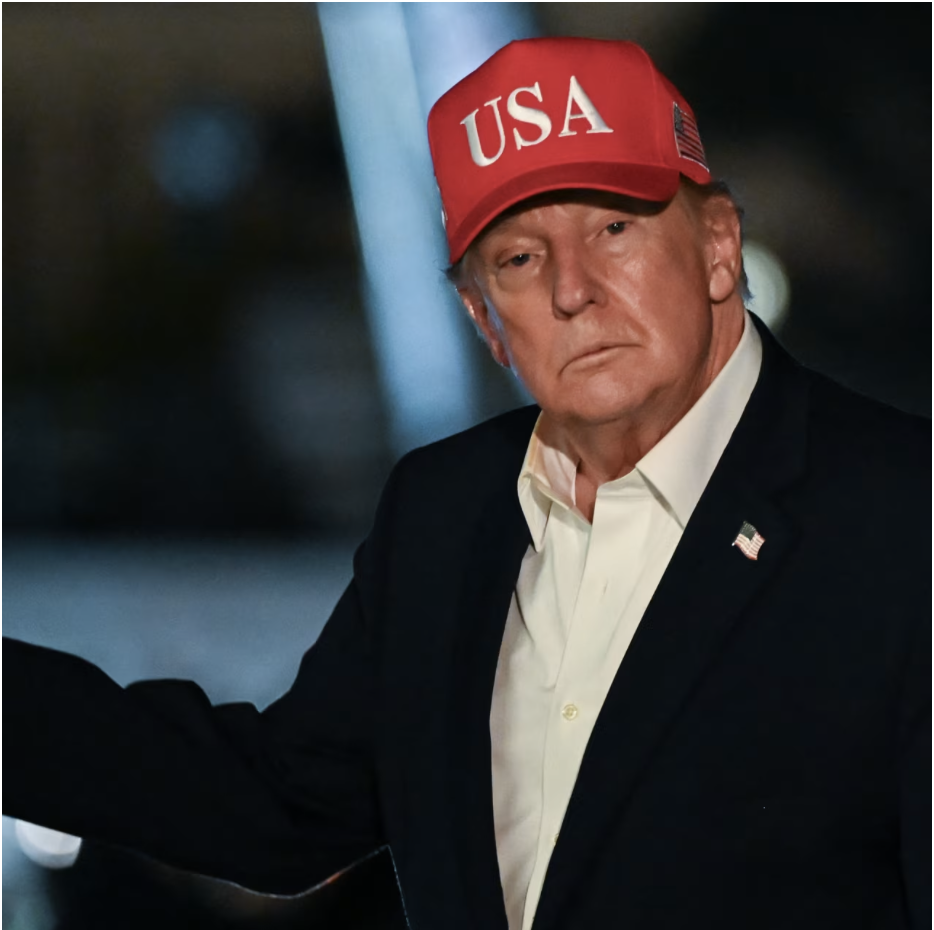
Acknowledging the public’s distaste for the public execution, President Trump called off the livestream on October 15. However, he made it known that just because the public would not witness the execution, does not mean that it will not happen completely. Trump stated that justice needs to prevail, and proper punishment has to be administered. The president further declared that the families of the victims killed by Hasan still had a right to witness the execution if they wanted to.
The American public is largely relieved by this; the general consensus is that a gory public execution would be backwards for a first world country in the 21st century, but also that Nidal Hasan must not escape justice. Junior Jordan Brown also expresses his dissent over this issue by stating “President Trump’s tendency to fail at keeping promises, like ending the war with Iran (or ‘no more wars’) and lowering the cost of living. It surprises me as to how people see the facts and still have the audacity to call him credible.”
Hasan’s killings on November 5th 2009 was the bloodiest non-combat attack on U.S. personnel in American history. However, suggesting that citizens need to be “shown an example” of what happens to Americans who turn their backs on the flag is outrageous. Despite the political divide the United States is in right now, many Americans agree that public execution is a step in the wrong direction. If anything, the U.S. would be facilitating Hasan by displaying even more bloodshed to over 300 million people. It is events like these that can make or break a party’s future in midterm elections, and seeing as how the Trump Administration originally presented this option, this could mean even more trouble for the Republican party in November.